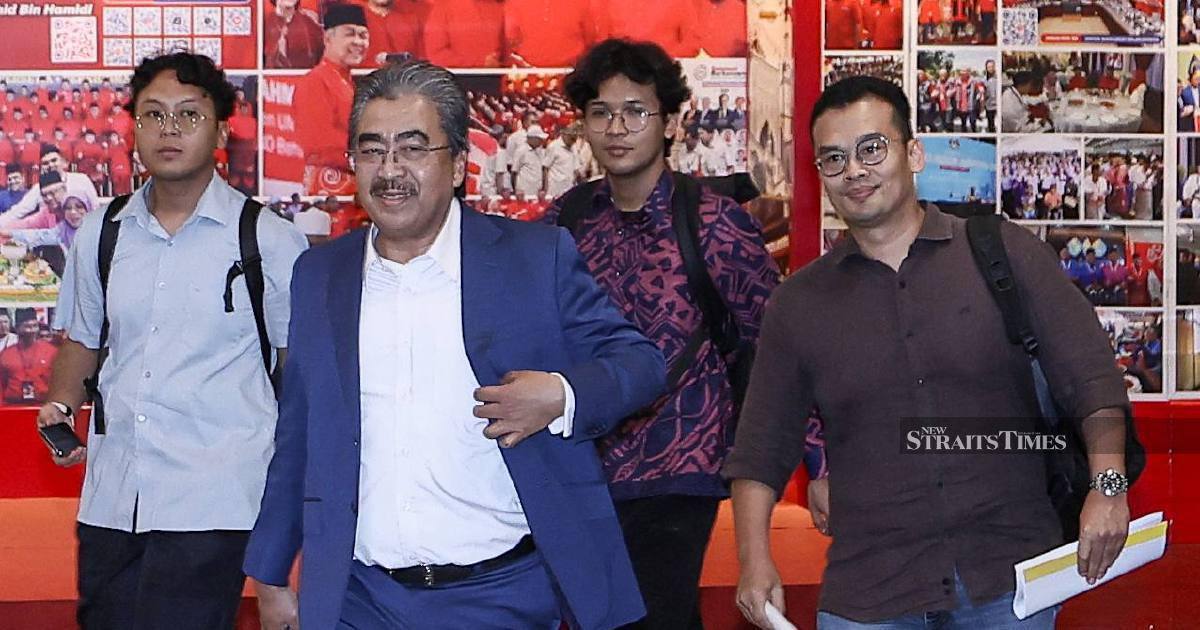
Deputy Prime Minister Datuk Seri Zahid Hamidi oversaw a private briefing session at Umno headquarters in Kuala Lumpur involving senior Barisan Nasional figures and select Perikatan Nasional leaders regarding the recently declassified Royal Commission of Inquiry findings on Lembaga Tabung Haji. The closed-door session underscores the sensitivity surrounding the inquiry's conclusions about one of Malaysia's most significant financial institutions serving the Muslim pilgrimage sector.
The timing of this comprehensive briefing reflects the government's measured approach to disseminating the RCI report's detailed findings. Rather than releasing the document immediately to public scrutiny, leadership opted for controlled distribution among key political stakeholders first, a strategy that allows coalition partners to align their messaging and prepare public statements in coordination. This approach is typical when sensitive institutional findings require careful political management across multiple parties with varying interests and constituencies.
Lembaga Tabung Haji, which manages mandatory savings for Malaysian pilgrims undertaking the hajj journey, has faced mounting scrutiny in recent years regarding investment strategies and fund management practices. The Royal Commission's investigation into institutional governance represents a formal accountability mechanism that Malaysian citizens have long awaited, particularly given public concerns about the safety of pilgrimage funds entrusted to the organization by hundreds of thousands of Malaysians annually.
The inclusion of Perikatan Nasional leaders in this briefing reflects the complex coalition mathematics of Malaysian politics, where opposition-aligned parties maintain strategic partnerships with the government on specific issues despite broader political rivalries. This multiparty attendance demonstrates that concerns about Tabung Haji's governance transcend typical partisan divides, positioning institutional reform as a matter of national rather than purely factional importance.
Zahid's chairmanship of the session emphasizes the Deputy Prime Minister's significant role in managing government-coalition relations and sensitive policy matters. As a senior Umno figure and coalition architect, Zahid serves as a crucial conduit between competing political interests, particularly when steering difficult conversations about institutional failures that could implicate figures across multiple parties or administrations.
The declassification of the RCI report itself represents an important transparency milestone. Royal Commissions traditionally produce findings that remain restricted for extended periods, so releasing this investigation's conclusions signals governmental commitment to addressing public concerns about Tabung Haji, though the controlled briefing process indicates authorities remain cautious about unmediated public consumption of potentially damaging revelations.
For Malaysian pilgrims and their families, this briefing carries significant implications. The hajj represents a substantial financial and spiritual commitment, and Tabung Haji's role as custodian of these savings has generated legitimate anxiety about fund security and investment prudence. The RCI's formal examination of institutional practices suggests substantive governance deficiencies warranting attention, though the specific findings remain undisclosed pending formal governmental response.
The political implications extend across Southeast Asia's Islamic financial ecosystem. Malaysia's experience with Tabung Haji is closely monitored by other Muslim-majority nations developing similar pilgrimage savings mechanisms. How Malaysian authorities address the RCI's recommendations will influence regional approaches to managing religious obligation-linked financial institutions, particularly regarding investment oversight, audit processes, and member protection frameworks.
The briefing session also reflects broader governance discussions within Malaysian leadership circles about institutional accountability and public sector reform. As the country navigates efforts to restore confidence in government institutions following various scandals and inquiries, how swiftly and comprehensively authorities act on the Tabung Haji RCI findings will signal seriousness about implementing recommendations and preventing similar institutional failures.
Preliminary to this briefing, Tabung Haji had undertaken various reform initiatives addressing member concerns, including leadership changes and operational restructuring. Nevertheless, a formal RCI investigation indicates challenges exceeded internal remediation capacity, requiring independent examination and, potentially, systemic reforms affecting organizational culture and oversight mechanisms.
The decision to brief coalition partners before broader public release allows political leaders time to coordinate responses to potentially controversial findings. Should the RCI identify specific individuals or past administrations bearing responsibility for governance failures, advance partner notification enables coalition members to formulate defensible positions and prevent contradictory public statements that might weaken government credibility.
Moving forward, the government faces pressure to release the full RCI report or at least comprehensive public summaries of findings and recommendations. Citizens who entrust savings to Tabung Haji merit transparent information about identified problems and planned remediation, balanced against any legitimate confidentiality concerns regarding individual accountability or sensitive institutional details.
The convergence of Barisan and Perikatan representatives at this briefing suggests emerging consensus regarding Tabung Haji reform urgency, possibly indicating forthcoming announcements about governance improvements, regulatory adjustments, or accountability measures that coalition partners have collectively endorsed.

