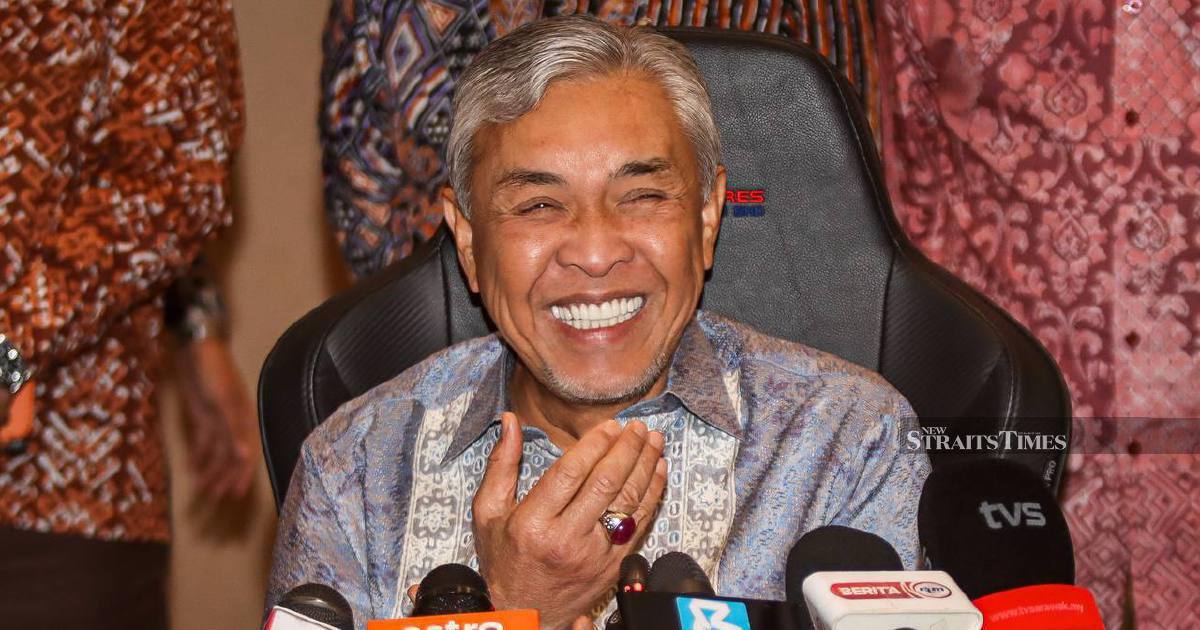
Deputy Prime Minister Datuk Seri Dr Ahmad Zahid Hamidi engaged in a poetic exchange with Prime Minister Datuk Seri Anwar Ibrahim in George Town, offering his own four-line pantun in response to the Prime Minister's unity-themed verse. The exchange represents an intriguing moment of cultural expression between Malaysia's top two political leaders, demonstrating how the classical Malay art form continues to feature in high-level discourse.
The pantun, a traditional form of Malay poetry dating back centuries, has long served as more than mere entertainment in Malaysian culture. It carries social, political, and philosophical weight, allowing speakers to communicate complex ideas through metaphorical language and layered meanings. By choosing this medium, both leaders engaged with a distinctly Malaysian cultural tradition that resonates across different communities and age groups within the country.
Anwar Ibrahim's original unity-themed pantun set the tone for this exchange, reflecting the Prime Minister's consistent emphasis on national cohesion and collective progress. The metaphorical language typical of the form allowed him to weave together themes of togetherness and shared purpose without direct political messaging. This approach aligns with the administration's broader narrative around building consensus and strengthening unity across diverse stakeholder groups.
Zahid's response, framed around imagery of roofs and storms, suggests a reply that acknowledges challenges while potentially emphasizing stability or protection. The choice of natural imagery in pantun is deliberate, as such references historically carry deeper symbolic meaning in Malay literary tradition. A roof typically connotes shelter and safety, while storms represent adversity or turbulence, allowing the Deputy Prime Minister to craft a response layered with potential commentary on governance during difficult times.
The timing and location of this exchange in George Town carries additional significance. Penang, with its multicultural character and independent political tradition, provides a distinctive backdrop for leaders to demonstrate cultural fluency and engagement with Malaysia's diverse heritage. The choice of venue underscores an attempt to connect with constituents beyond the capital and project leadership qualities to a broader audience.
This pantun exchange occurs amid broader efforts by the current administration to emphasize cultural continuity and traditional values alongside modernization. The use of classical literary forms by top political figures sends a signal about the importance of preserving Malaysian cultural identity even as the nation pursues economic and technological advancement. It also reflects a leadership style that seeks to communicate through channels familiar and valued by the general population.
The interaction between Anwar and Zahid through pantun also provides insight into their working relationship. Despite the operational demands of their respective offices, both leaders appear willing to engage in acts of cultural exchange that suggest camaraderie and mutual respect. In a polarized political environment, such moments of shared participation in national cultural traditions can carry symbolic weight beyond their surface entertainment value.
Historically, Malaysia's political leaders have employed pantun as a tool for political communication and cultural assertion. This contemporary example continues that tradition, demonstrating that even in an era of rapid digital communication and instant messaging, leaders recognize the value of traditional modes of expression. The pantun format also naturally limits the scope for direct criticism or confrontation, making it an elegant choice for public exchanges between figures in sensitive political positions.
For Malaysian audiences, particularly those with deeper appreciation for classical Malay literature and arts, such exchanges affirm that these traditions retain relevance in contemporary governance and leadership discourse. Young Malaysians increasingly disconnected from traditional cultural forms may also find these high-profile examples encouraging exposure to a heritage that defines much of the nation's identity.
The broader implications of this pantun exchange extend to Malaysia's regional position as well. Southeast Asia maintains rich poetic traditions across its diverse cultures, and Malaysia's continued prominence in preserving and elevating the pantun demonstrates cultural confidence at a time when globalization pressures threaten traditional arts. Leaders who engage with classical forms signal that national identity remains rooted in authentic heritage rather than purely imported frameworks.
Looking forward, such cultural exchanges between top leaders may become more frequent as the administration seeks to differentiate its governance approach through emphasis on Malaysian values and traditions. Whether this represents a genuine commitment to cultural preservation or primarily serves public relations purposes, the effect remains the same—pantun gains visibility and contemporary relevance among decision-makers and the broader public sphere.

