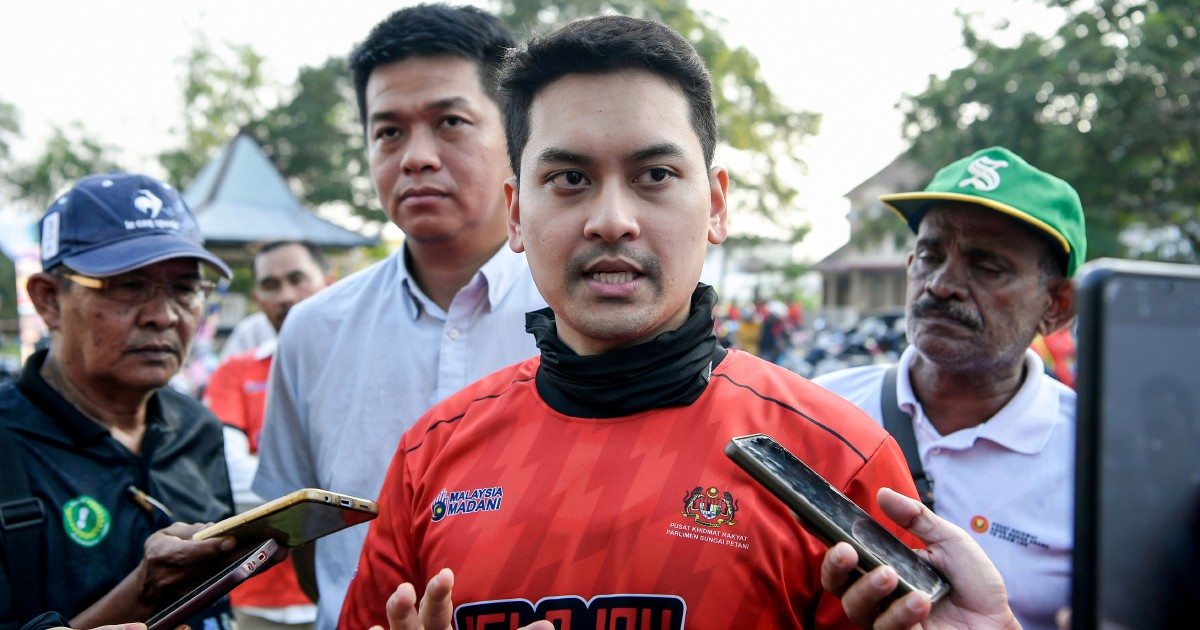
Youth and Sports Minister Dr Mohammed Taufiq Johari has ordered a thorough investigation into the circumstances surrounding the death of an 11-year-old girl who allegedly collapsed after being instructed by a teacher to participate in a sporting activity at her school. The case, which has emerged in Alor Star, raises fresh concerns about the safety protocols governing physical education and extracurricular sports programmes in Malaysian schools, particularly regarding the screening and monitoring of student health during vigorous activities.
The apparent heart condition that may have contributed to the girl's death underscores the importance of pre-participation medical evaluations for students engaging in organised sports. Malaysia's education system, like many in Southeast Asia, has increasingly emphasised physical activity as part of holistic student development, yet infrastructure for comprehensive health screening remains unevenly distributed across schools. The incident highlights a potential gap between policy directives promoting active lifestyles and the practical safeguards necessary to protect vulnerable students who may have underlying cardiac vulnerabilities.
Dr Mohammed Taufiq Johari's intervention signals that the Ministry of Youth and Sports recognises the gravity of the situation and the need to examine whether existing guidelines for school sporting activities are being adequately implemented. The minister's demand for a comprehensive probe suggests that preliminary findings may indicate procedural failures or lapses in duty of care. This development carries implications beyond the immediate case, potentially triggering a wider review of how schools across the nation conduct physical education programmes and whether teachers receive adequate training in recognising signs of medical distress in young participants.
The role of the teacher in instructing the student to participate despite potential health risks forms a critical component of the investigation. Understanding whether the educator had awareness of any pre-existing health conditions, whether proper consent procedures were followed with parents, and whether appropriate supervision and first-aid protocols were in place will be essential to determining accountability. Malaysian schools operate under various state-level educational frameworks, which may explain variations in how sporting activities are regulated and monitored.
From a broader perspective, this case reflects systemic challenges affecting student safety in Malaysian schools. While physical education remains a cornerstone of curriculum development, ensuring that programmes accommodate students with known or undiagnosed health conditions requires multidisciplinary coordination between educators, parents, medical professionals, and school administrators. The absence of mandatory pre-participation screening, or insufficient follow-through when such screening does occur, may place students at preventable risk.
The incident also raises questions about parental communication and informed consent procedures in Malaysian schools. Parents must be adequately informed about the nature of sporting activities their children will undertake, and schools must have documented medical histories and parental declarations of any health concerns. Whether standard forms and protocols were followed in this case will likely form part of the investigation's scope.
Regionally, Malaysia joins other Southeast Asian nations grappling with similar challenges around student protection during school activities. Countries like Thailand, Indonesia, and the Philippines have experienced comparable incidents that have prompted legislative and policy revisions. The comparative experience of these nations may provide useful benchmarks as Malaysia considers strengthening its own frameworks.
Dr Mohammed Taufiq Johari's commitment to a thorough probe is commendable, yet its effectiveness will depend on whether the investigation leads to concrete systemic reforms. Beyond identifying individual lapses in this case, the inquiry should examine whether current teacher training programmes adequately prepare educators to recognise medical emergencies, implement cardiopulmonary resuscitation when necessary, and make appropriate risk assessments before demanding strenuous participation from students.
The tragedy has also sparked important conversations about the liability and responsibility of schools when students suffer adverse health events during organised activities. Malaysian parents will be watching closely to understand what safeguards exist and what recourse is available when schools fail to protect their children. This case may ultimately serve as a catalyst for policy reform, ensuring that the pursuit of physical fitness and sporting excellence never comes at the expense of student safety.
Moving forward, the investigation should produce detailed recommendations addressing gaps in medical screening, teacher training, emergency response capabilities, and parental communication. These findings could inform revised guidelines issued by the Ministry of Youth and Sports and the Ministry of Education, establishing baseline standards that all schools must meet. The incident reminds Malaysia that robust infrastructure for student health protection is not a luxury but an essential prerequisite for any school sports programme worthy of public trust.

