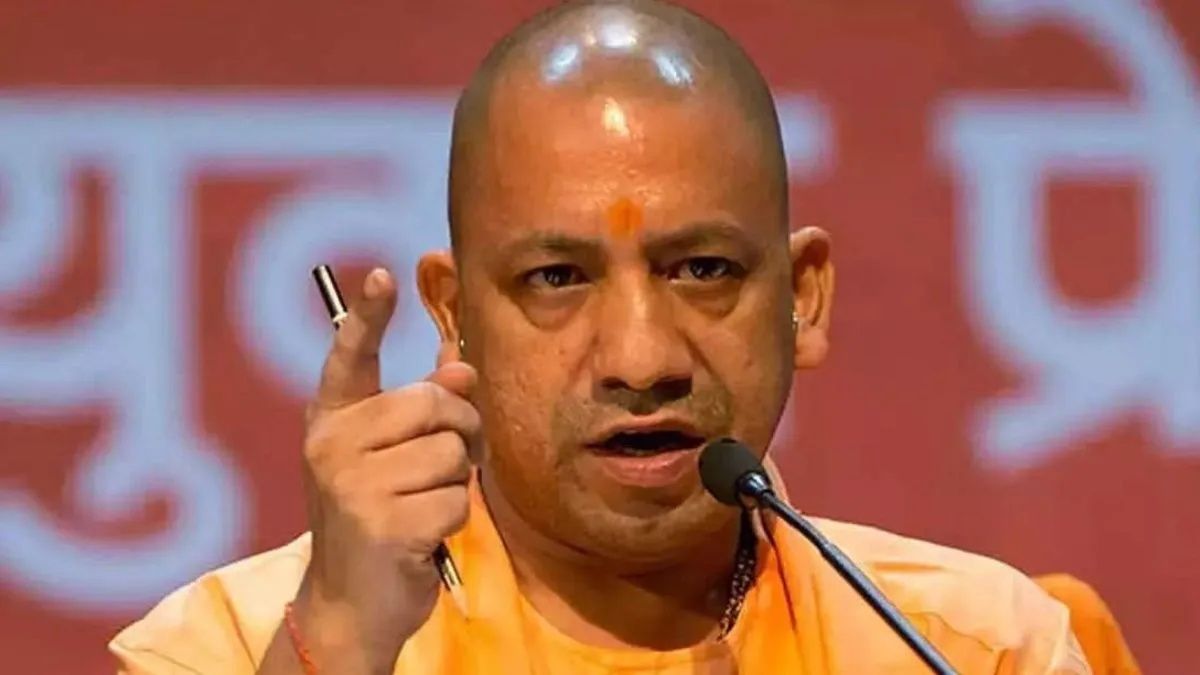
Uttar Pradesh Chief Minister Yogi Adityanath has taken a hardline stance on the emerging controversy surrounding donations at the Shri Ram Janmabhoomi Teerth Kshetra in Ayodhya, vowing that anyone who compromises the religious sentiments of devotees will face consequences. His comments came immediately after a Special Investigation Team submitted its findings into allegations of theft or misappropriation of contributions made by pilgrims to the newly consecrated temple, one of India's most significant Hindu religious sites.
Speaking at a development project inauguration in Deoria on Friday, Adityanath framed the donation case as part of a broader assault on Hindu traditions and the sanctity of religious spaces. He emphasised that the state government would pursue the investigation with vigour, insisting that the initial FIR filing represented swift action based on the SIT's recommendations. The Chief Minister positioned himself as a guardian of popular devotion, suggesting that allegations surrounding temple management threatened not merely administrative integrity but the very fabric of India's cultural identity.
The timing and tone of Adityanath's intervention reflect the heightened sensitivity surrounding Ayodhya itself, which has transitioned from a site of decades-long legal dispute into a symbol of national religious achievement following the Ram temple's 2023 consecration. The Chief Minister referenced his own visit to Ayodhya on June 19, underscoring that religious respect must extend to the physical spaces where worship occurs. His language—emphasising Ayodhya as representative of Sanatan Dharma and calling for dignity toward Lord Ram—signals that the state government views the donation matter through a lens that extends beyond conventional financial accountability.
Adityanath's remarks contained pointed criticism of the Indian National Congress and Samajwadi Party, whom he accused of historical hostility toward Hindu religious aspirations and the Ram Janmabhoomi movement. He recalled Congress's former position questioning Ram's historical existence, and the legal battles both parties waged against temple construction. By linking opposition parties to the donation controversy, Adityanath suggested that contemporary criticism of temple management represented a continuation of longstanding resistance to Hindu nationalist projects.
The Chief Minister further invoked historical episodes where he claimed opposition-ruled governments had either used force against religious processions or restricted religious celebrations. He referenced riots during Ram Navami observances, restrictions on Krishna Janmashtami celebrations, and limitations on the Kanwar Yatra pilgrimage, along with violence during Durga Puja festivals. These allegations, he argued, demonstrated that critics lacked moral standing to question the current government's handling of the donation case. Adityanath positioned the Samajwadi Party as having presided over widespread corruption and plunder, suggesting its current opposition to the state government stemmed from loss of access to corrupt networks rather than genuine concern for temple administration.
The political subtext of Adityanath's statement deserves careful analysis. By framing the donation case within a narrative of long-running religious and political struggle, the Chief Minister has effectively elevated the controversy beyond a discrete administrative matter into a test of ideological commitment. His appeal to Ram devotees not to have their patience tested, coupled with warnings against further allegations without evidence, functioned simultaneously as a demand for restraint and an implicit threat against those questioning temple management.
For Southeast Asian observers and Malaysian readers with interest in subcontinental affairs, this episode illuminates how religious sites and ritual practices have become inextricably bound to political movements in contemporary India. The Ram Janmabhoomi complex, which Malaysia's Hindu community holds in significant religious regard, now sits at the intersection of devotional reverence and state power. Adityanath's intervention demonstrates how temple controversies, however procedurally routine, acquire magnified political importance when they touch upon symbols central to Hindu nationalist identity.
The Chief Minister's insistence that a Special Investigation Team proceed without political interference contrasts somewhat with his own highly political commentary on the case. This tension reflects the delicate balance required in managing institutions that serve both administrative and ideological functions. The SIT's investigative work will presumably establish factual details regarding any alleged irregularities in donation handling, yet Adityanath's framing has already oriented public perception toward viewing criticism of temple authorities as a form of religious disrespect rather than legitimate accountability questioning.
For temple management and Hindu religious organisations across the region, Adityanath's stance carries implications regarding the relationship between administrative transparency and political protection. The Chief Minister's warnings against further allegations without evidence effectively establish a threshold for acceptable criticism that may deter independent scrutiny of temple finances and operations. While governments certainly possess legitimate interest in protecting sacred sites from disrespectful treatment, the politicisation of administrative investigations can compromise public confidence in their impartiality.
The donation controversy also reflects broader challenges facing newly prominent religious institutions. The Ram Janmabhoomi complex, having recently transitioned from construction site to functioning temple receiving massive pilgrim flows, must establish robust systems for managing financial contributions while maintaining the spiritual atmosphere devotees expect. International standards for religious organisation transparency, increasingly common in Southeast Asia, emphasise both proper accounting and public reporting as methods of sustaining trust rather than threatening it.
Adityanath's appeal for cooperation with the SIT, directed ostensibly at opposition parties, implicitly signals that the investigation will proceed under state supervision. This creates a complex dynamic where institutions meant to ensure accountability remain embedded within structures of political power. For Malaysian observers familiar with debates about religious institution governance in their own context, the tension between autonomy and accountability in Indian temple management offers cautionary lessons regarding the risks of excessive political involvement in religious administration.
As the investigation unfolds, the case's significance will likely extend beyond any findings regarding individual wrongdoing. It will establish precedents for how controversies affecting major Hindu temples are processed politically, investigated institutionally, and presented to devotees spiritually. The Chief Minister's determination to frame the matter as a defence of faith against hostile political actors, rather than as a straightforward administrative inquiry, suggests that resolution will require not merely factual clarity but restoration of the political narrative surrounding Ayodhya and its sacred institutions.

