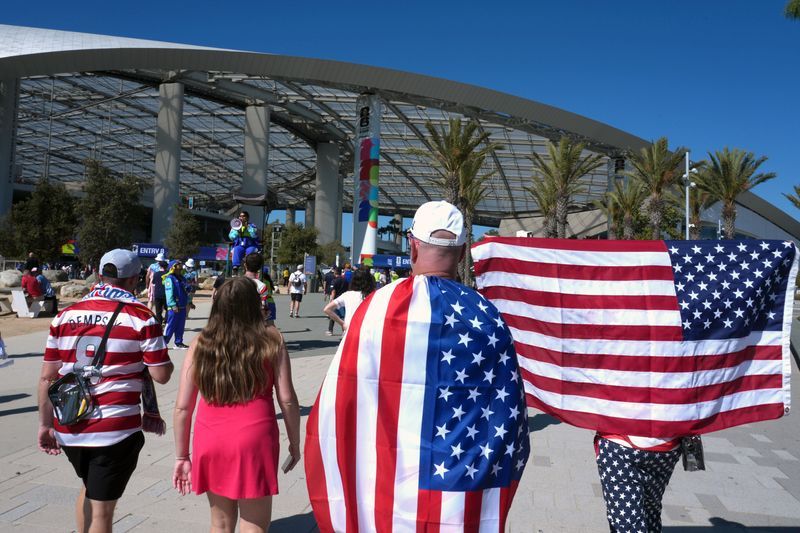
A Christmas gift turned into a holiday nightmare for Jeremy Wright when StubHub cancelled his World Cup tickets just five hours before the Netherlands faced Japan on June 14. Wright had purchased two tickets on the secondary resale platform nine months earlier to surprise his wife, Sarah, and the couple drove from Austin to Dallas in anticipation of the match. But an email arrived shortly before kickoff informing them the tickets could not be delivered, despite StubHub's "FanProtect Guarantee" ostensibly protecting their purchase. When Wright attempted to claim replacement tickets as promised, the only option available was a full refund—a response that left the couple with no choice but to abandon their plans and drive back home through the rain.
The Wrights' ordeal is far from isolated. Dozens of ticketing customers have taken to social media throughout June, each recounting remarkably similar experiences with last-minute cancellations across the resale platform. One buyer, Dacy Gillespie, had purchased four tickets to Argentina's June 16 match against Algeria as a surprise Christmas gift for her two sons. After driving 250 miles from St Louis to Kansas City for the game, she received a cancellation email from StubHub on matchday itself, forcing her to scramble for replacement tickets at inflated prices. These incidents have crystallised a broader tension between the convenience of secondary ticketing markets and the very real risks faced by consumers.
StubHub maintains that it bears no responsibility for the cancellations, positioning itself as a marketplace rather than a ticket distributor. The platform is not an official FIFA ticketing partner and operates solely as a resale-only intermediary, meaning it does not hold inventory or control pricing. According to a StubHub spokesperson, all cancellations stemmed from delivery failures initiated by individual sellers, and the company attributes systemic problems to FIFA's ticketing infrastructure. This explanation, however, rings hollow to customers who relied on StubHub's advertised consumer protections. The company has not acknowledged whether it adequately screened sellers or verified ticket ownership before allowing transactions to proceed.
FIFA has vigorously deflected criticism, insisting its official ticketing platform operates reliably and remains the only channel through which the organisation can guarantee proper ticket delivery. The world governing body's official resale marketplace charges a 30 percent commission on all secondary sales, making tickets substantially more expensive than on third-party platforms like StubHub. FIFA argues these fees align with North American industry standards, yet many fans found the official platform confusing and convoluted, driving them toward cheaper alternatives despite the associated risks. The organisation has stopped short of blaming its own infrastructure for the widespread cancellations on competing platforms, instead suggesting that problems on third-party services are unrelated to how FIFA operates its systems.
Ticketing expert Scott Friedman has identified the root cause of these failures: a practice known as speculative ticketing. Sellers list tickets they do not yet own, betting they can purchase them at lower prices before delivery to buyers. "Let's say a seller listed that ticket six months ago for $500, hoping to buy that ticket for less than $500 to make a profit and fill the ticket order," Friedman explained, drawing an analogy to short-selling in financial markets. This strategy typically works in favour of speculators during most sporting events, when secondary market prices decline as competition approaches. World Cup 2026, however, defied conventional patterns: ticket prices climbed steadily as the tournament drew nearer, trapping speculators who had locked in sales at lower price points. Unable to fulfil orders without absorbing significant losses, many sellers simply abandoned their commitments.
StubHub's stated policies explicitly prohibit speculative ticketing, yet the practice persists because the platform does not require sellers to provide seat numbers when initially listing inventory. Wright's purchase exemplifies this vulnerability: he acquired tickets on September 6, 2025, merely four days before FIFA even launched its official sales draw. His order confirmation, reviewed by Reuters, contained no seat numbers and only vague reference to "Category 3" seating. This absence of specificity is a telltale sign of speculative inventory. StubHub claims it requires sellers to upload tickets or provide proof of purchase at the time of listing, and maintains that violators face financial penalties and account suspension. Yet these safeguards clearly failed to prevent widespread problems during the World Cup.
The Wrights and Gillespie's experiences highlight a troubling dynamic in consumer complaint resolution on digital platforms. Both couples only received meaningful responses from StubHub after their complaints went viral on social media. StubHub subsequently offered the Wrights complimentary seats to a semi-final game and provided Gillespie with $3,000 to offset her costs purchasing replacement tickets elsewhere. Sarah Wright captured the hollowness of these remedies: "We had to raise holy hell to get the attention. There's almost a survivor's guilt kind of feeling for us—we got complimentary tickets, but what about all the other people?" This observation cuts to the heart of institutional accountability. When only the loudest voices receive redress, quieter victims remain abandoned, and systemic failures go unaddressed because compensation is distributed irregularly rather than comprehensively.
StubHub has responded to mounting criticism by establishing a dedicated World Cup support team and expanding its capacity to source replacement tickets for affected customers. A company spokesperson stated that "getting fans to their matches remains our top priority for the rest of this tournament," signalling a reactive rather than proactive approach to the crisis. The damage, however, extends beyond June ticketing logistics. Marsha-Gaye Knight, a clinical assistant professor at the NYU Tisch Institute for Global Sport, warns that the World Cup ticketing debacle poses a significant long-term threat to StubHub's brand reputation. For a resale platform, trust is the fundamental currency; widespread cancellations and inconsistent customer service undermine confidence in the entire business model.
The reputational stakes are heightened by recent regulatory action against StubHub elsewhere. The UK's markets watchdog this week ordered StubHub UK to refund more than 50,000 customers and imposed a £900,000 fine for systematically failing to display total ticket prices upfront to consumers. This enforcement action demonstrates a pattern of regulatory concern about StubHub's transparency and consumer protection practices. Malaysian and Southeast Asian readers should note that this international scrutiny reflects broader questions about whether secondary ticketing platforms adequately protect ordinary fans from sharp practices and infrastructure failures. As World Cup 2026 continues, the question remains whether StubHub will implement genuine systemic reforms or merely extend customer service gestures to the most vocal complainants.
For Malaysian fans considering purchasing World Cup tickets through secondary platforms, these developments offer important lessons. Resale markets provide genuine value in accessing otherwise unavailable inventory and potentially securing better pricing than official channels. However, they also carry concentrated risks that consumers must understand before committing money. The absence of seat numbers at purchase, speculative listing practices, and inadequate seller verification are warning signs worth heeding. Moving forward, potential buyers must weigh whether platform convenience and price advantages justify exposure to last-minute cancellations and the stress of chasing customer service during major sporting events. The World Cup 2026 crisis has exposed fault lines in secondary ticketing that no amount of retroactive compensation can fully repair.

