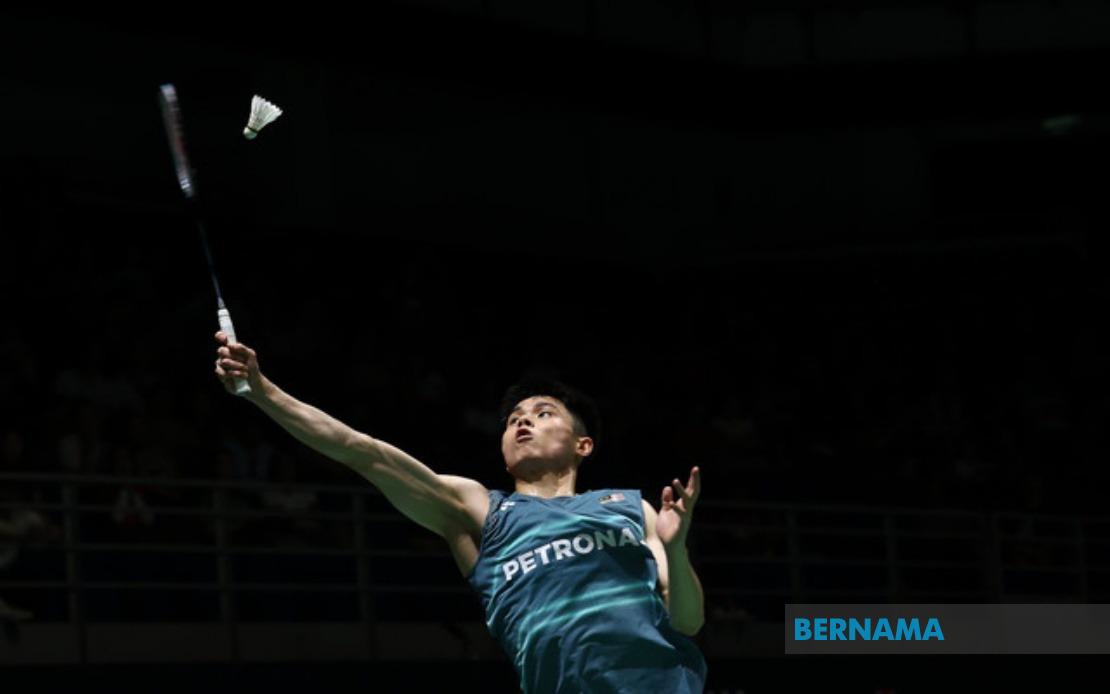
Malaysia's rising men's singles shuttler Justin Hoh is bracing himself for unfamiliar territory as he makes his inaugural appearance at the 2026 BWF World Championships in New Delhi between August 17 and 23. The 22-year-old's approach to the prestigious tournament reflects a pragmatic mindset shaped by Malaysia's badminton culture—one that values meticulous preparation over grand predictions, particularly when competing at international venues with reputations for logistical complications.
Speaking at the Academy Badminton Malaysia in Kuala Lumpur, Hoh emphasised that his preparation strategy hinges on flexibility and self-reliance rather than optimistic assumptions about host conditions. His comments reveal a candidly pragmatic assessment of what awaits him in India, where badminton tournaments have occasionally struggled with infrastructure and sanitation standards that fall short of international norms. The player's mindset—to prepare for adversity rather than hope it won't materialise—reflects lessons learned by Malaysian athletes who have competed across the Indian subcontinent.
The Kuala Lumpur-born shuttler drew on concrete experience from previous badminton tournaments held in India, specifically referencing the logistical challenges that can emerge during competition. His recommendation that players bring their own food supplies underscores a practical concern that extends beyond mere dietary preference; it speaks to the unpredictability some athletes have encountered with catering standards and food safety at certain Indian venues. This advice, while seemingly straightforward, represents accumulated knowledge within Malaysia's badminton community about navigating competitions in the region.
Recent history reinforces Hoh's cautious approach. The India Open earlier this year descended into controversy when severe sanitation issues emerged at the Indira Gandhi Sports Complex, with reports documenting bird droppings contaminating practice courts and monkeys freely roaming facility grounds. Such incidents, while exceptional, have cast a shadow over India's ability to host world-class badminton events smoothly. Hoh's acknowledgment of these challenges demonstrates awareness that World Championship organisers, despite their best intentions and anticipated improvements, inherit infrastructure constraints that mere goodwill cannot instantly resolve.
Yet Hoh expressed cautious optimism that the World Championships organisers would implement meaningful enhancements before the tournament commences. His balanced perspective—neither dismissive nor naively trusting—suggests he believes the heightened profile and resources associated with world championships may prompt notably better conditions than secondary tournaments. This nuanced view reflects maturity in understanding that institutional pressure and reputation stakes can drive measurable improvements, even in contexts historically plagued by organisational inconsistencies.
Regarding competitive prospects, Hoh demonstrated philosophical equanimity about the draw. The possibility of facing a higher-ranked opponent in his opening match presents the kind of formidable challenge that could derail less mentally prepared players. His apparent acceptance of this outcome suggests either exceptional confidence or a deliberate strategy of tempering expectations—both useful psychological approaches for a debut appearance at badminton's most prestigious individual tournament. First-round matchups at world championships frequently pit emerging talents against established competitors, and navigating such pressure separates mentally resilient players from those overwhelmed by the occasion.
The Malaysian men's singles contingent operates under relentless public scrutiny, a pressure cooker environment that stems partly from badminton's exalted status in Malaysia's sporting consciousness and partly from the historical dominance Malaysian players have exercised in this discipline. Hoh candidly acknowledged this demanding context, noting that commentary—both encouraging and critical—constantly accompanies players' careers. His framing of this scrutiny as motivational rather than burdensome suggests psychological maturity that will serve him well at world level, where mental resilience often determines outcomes as much as technical prowess.
Approaching his World Championships debut, Hoh has consciously avoided setting unrealistic medal targets while simultaneously harbouring hopes of strong performance. This measured ambition reflects wisdom often absent in younger athletes making major international debuts. By characterising the tournament primarily as a learning experience rather than a make-or-break moment, he insulates himself from potentially paralysing pressure while maintaining hunger to perform creditably. The distinction he draws—between hoping to win medals and viewing the experience as educational—suggests a coaching environment that has cultivated emotional intelligence alongside technical skill.
The broader context of Malaysian badminton makes Hoh's preparation journey particularly significant. The nation has historically produced world-class singles players, and the men's contingent bears the weight of expectations to maintain that legacy. Hoh's emergence as a competitor at world championship level represents both opportunity and responsibility—an opportunity to cement himself as part of Malaysia's badminton future, and responsibility to honour the investment made in Malaysian badminton development systems that have nurtured him. His measured, practical approach to preparation suggests he understands these stakes without allowing them to overwhelm his focus on immediate challenges.
As August 17 approaches, Hoh's preparations exemplify the thoroughness that Malaysian badminton culture demands. His readiness to adapt to whatever conditions await in New Delhi—from humidity and court characteristics to food logistics and facility standards—demonstrates the kind of comprehensive thinking that separates tournament participants from genuine contenders. For Malaysian badminton followers, Hoh's debut appearance represents another chapter in the sport's storied history, while his philosophical maturity suggests the young shuttler possesses more than just technical ability.

