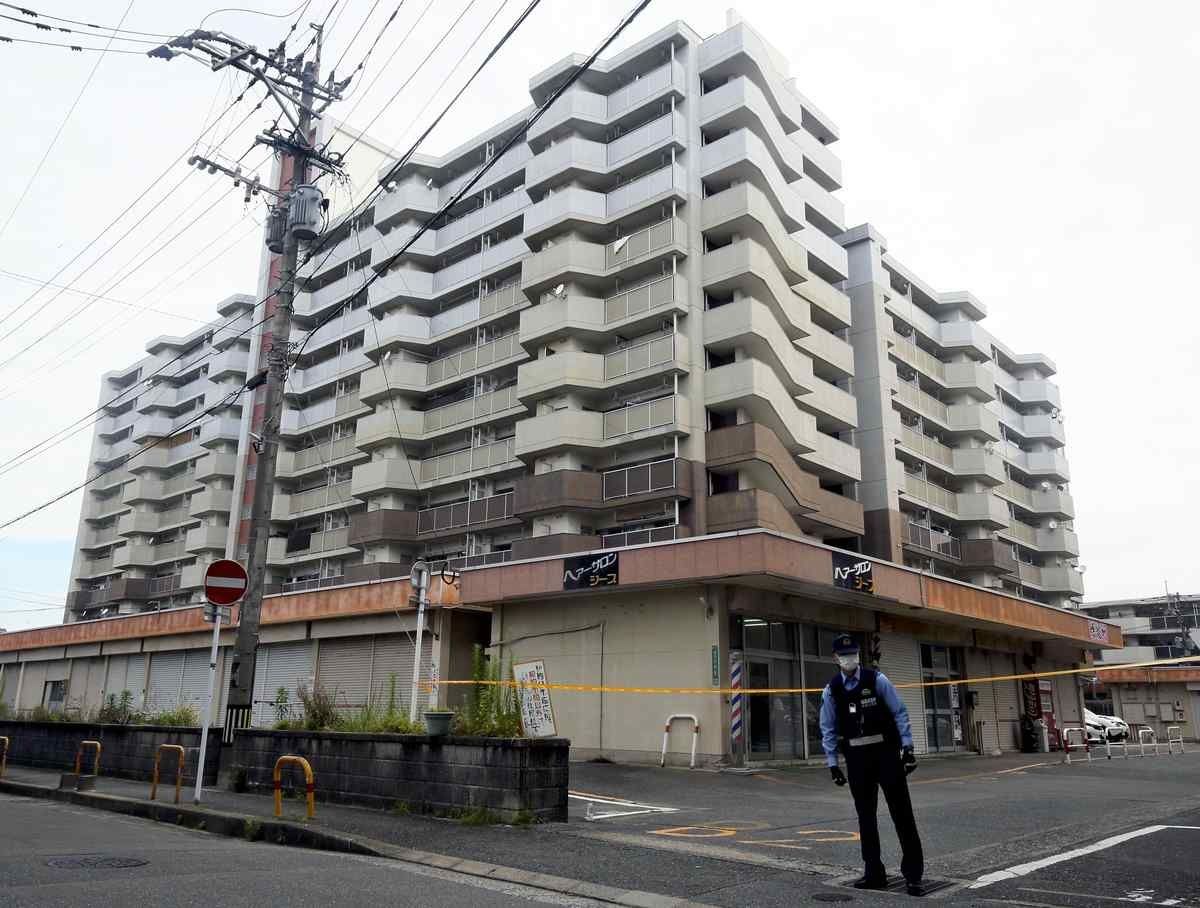
Police in Fukuoka City have arrested a 36-year-old woman on suspicion of murdering her friend in a violent early-morning attack that occurred metres away from where three young children were sleeping. The incident, which took place just after 3:15am on Thursday, June 18, has left investigators examining the circumstances that led to the fatal confrontation between the two women who shared a residence.
Authorities from Fukuoka Prefectural Police's Higashi Station responded to the scene after emergency services were called to the property. The 33-year-old victim was discovered with multiple stab wounds to the neck and chest, inflicted with a knife-like object. She was immediately transported to a nearby hospital, but medical personnel were unable to revive her, and she was pronounced dead upon arrival.
The suspect, who was present at the scene when police arrived, was initially taken into custody on charges of attempted murder. However, following the victim's death and after investigators gathered evidence and statements at the scene, Fukuoka Prefectural Police upgraded the charges to murder, reflecting the fatal outcome of the assault. The woman remains in police custody as the investigation continues.
When questioned by detectives, the suspect provided a straightforward admission of guilt. "It's true I did it. I stabbed her many times," she stated, according to police records. Her candid acknowledgement of responsibility has simplified the investigative phase, allowing authorities to focus on establishing motive and circumstances rather than identifying the perpetrator.
The most disturbing aspect of the incident centres on the presence of three elementary school-aged children who were asleep in another room throughout the violent attack. The proximity of the children to the crime scene raises serious questions about child welfare, the stability of the household, and whether there had been prior warning signs of conflict or instability between the adult residents. The trauma inflicted upon the children after discovering the consequences of the attack is an additional tragedy emanating from this case.
This incident underscores a troubling pattern of domestic violence and intimate homicides that periodically surface in Japan. While the nation maintains relatively low violent crime statistics compared to many Western countries, fatal disputes between acquaintances living in shared spaces remain a persistent concern for law enforcement. The presence of weapons such as knives in households, combined with interpersonal tensions that can escalate rapidly, creates dangerous situations that may have been preventable through intervention or separation.
For Malaysian observers, the case illustrates how violence can erupt suddenly within seemingly ordinary residential settings, regardless of a country's reputation for safety and order. Japan's emphasis on social cohesion and respect for authority has not eliminated the capacity for individuals to commit serious crimes, and this Fukuoka stabbing demonstrates that tragedy can strike in developed nations with advanced social systems. The vulnerability of children witnessing or living adjacent to violent crime is a universal concern that transcends national boundaries.
Investigators from Higashi Station are now focusing on establishing the motive behind the stabbing. Whether the attack was precipitated by a sudden quarrel, long-standing resentment, or a specific triggering event remains under investigation. Understanding the relationship dynamics between the two women and any history of conflict will be crucial to building a comprehensive picture of what drove the suspect to commit such a violent act.
The case will likely proceed through Japan's criminal justice system, which typically prioritises rehabilitation and investigation of root causes alongside punishment. Given the suspect's apparent admission of guilt, the trial phase will probably centre on sentencing considerations rather than establishing culpability. Factors such as the suspect's mental state, the circumstances preceding the attack, and her personal history will be examined by the court to determine an appropriate sentence.
The incident serves as a stark reminder of the hidden dangers that can exist behind closed doors in any household. Even in societies renowned for public safety and low crime rates, the privacy of residential spaces can conceal violence and tragedy. For policymakers and social workers across Southeast Asia and beyond, this case underscores the importance of developing effective early intervention systems that can identify households at risk and provide support before conflicts escalate to fatal levels.
Fukuoka authorities have not released further details regarding the suspect's background, employment status, or whether there had been previous complaints or interventions involving the household. As the investigation proceeds and the case moves toward prosecution, additional information may emerge that provides context for understanding this tragic episode.

