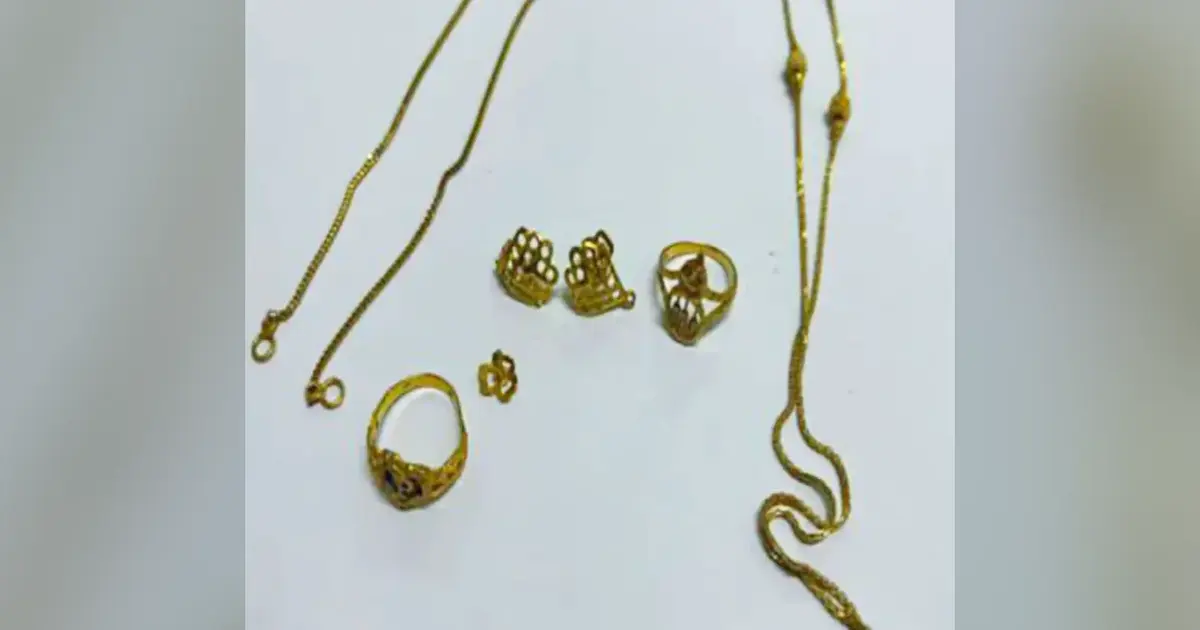
An elderly woman has fallen victim to a deliberate welfare aid fraud scheme that saw her lose RM8,000 worth of jewellery, prompting law enforcement to launch a swift investigation that culminated in multiple arrests. Police tracked down the perpetrators and have now taken a woman and her two adult children into custody as part of their crackdown on the scam. The recovery of the stolen jewellery from a pawnshop marks a small victory for the victim, though the broader implications of such schemes targeting vulnerable elderly citizens remain concerning.
Welfare fraud continues to plague Malaysia's social safety system, with opportunistic criminals specifically targeting seniors who may be less equipped to verify legitimacy or question suspicious requests. This particular case exemplifies how fraudsters exploit the trust that elderly citizens place in government assistance programmes, using official-sounding language and procedures to gain access to personal valuables. The sophistication of such schemes has evolved considerably, with perpetrators often possessing detailed knowledge of how legitimate welfare distributions operate, allowing them to present themselves as authorised representatives.
The modus operandi in this incident involved the perpetrators convincing the elderly victim that she needed to provide collateral or make some form of payment to access welfare benefits. Such tactics have become disturbingly common, with scammers leveraging the financial anxieties of seniors who genuinely depend on government support. The victim, trusting what appeared to be an official process, handed over jewellery worth RM8,000, an amount that could represent months or even years of accumulated savings for many elderly Malaysians living on fixed incomes.
Pawnshops have become central to the criminal ecosystem enabling such frauds, as stolen items can be quickly converted to cash with minimal questions asked. While regulated pawnbrokers maintain proper documentation, the speed at which valuables can be liquidated through these channels makes recovery efforts challenging in many cases. Authorities have begun scrutinising pawnshop practices more closely, though gaps in coordination between law enforcement and the pawnbroking industry continue to hinder efforts to track stolen goods before they disappear into the secondary market.
The involvement of family members in the fraud case raises troubling questions about the vulnerability of elderly citizens within their own households. When adult children or extended family engage in predatory behaviour targeting seniors, the breach of trust becomes particularly acute. Such cases underscore the need for better safeguarding mechanisms, including regular welfare checks and verification procedures that could alert authorities when elderly recipients are being manipulated or coerced.
Malaysia's social welfare system, while well-intentioned, requires strengthened verification protocols to prevent criminals from exploiting its framework. Government agencies responsible for welfare distribution could implement more rigorous identity verification processes and establish direct communication channels with beneficiaries that bypass potential intermediaries. Training frontline workers to recognise and report suspicious requests for collateral or advance payments could create an additional layer of protection against such schemes.
For elderly Malaysians and their families, this case serves as an important reminder about the tactics used by scammers. Legitimate government welfare programmes never require beneficiaries to provide jewellery, cash, or other valuables upfront. Any request for such collateral should be treated with immediate suspicion, and victims should contact their local police station or the relevant government agency directly to verify any claims about welfare assistance requirements.
Community awareness campaigns targeting elderly citizens and their caregivers remain essential for combating this type of fraud. Senior citizen associations, religious organisations, and grassroots community groups can serve as trusted channels for disseminating information about common scams and proper procedures for accessing welfare benefits. Empowering elderly citizens with knowledge about their rights and the legitimate processes governing welfare assistance can significantly reduce their vulnerability to such exploitation.
The police action in this case demonstrates commitment to pursuing welfare fraud perpetrators, yet the underlying challenge remains the sheer volume of similar incidents occurring across the country. Resources dedicated to investigating such cases are often stretched thin, leaving many victims without recourse. Establishing dedicated units within police forces specifically tasked with investigating welfare fraud could improve response times and recovery rates, ultimately serving as a deterrent to would-be criminals.
Looking forward, coordination between multiple agencies including the police, welfare departments, pawnshop regulators, and consumer protection bodies will be crucial in tackling this persistent problem. The arrest of the woman and her two adult children in this instance represents a localised success, but systemic vulnerabilities in how welfare assistance is distributed and verified continue to expose Malaysia's elderly population to exploitation. Moving forward, both preventive measures and swift law enforcement responses will be necessary to protect one of society's most vulnerable groups from predatory schemes that undermine public confidence in welfare programmes designed to provide genuine assistance.

