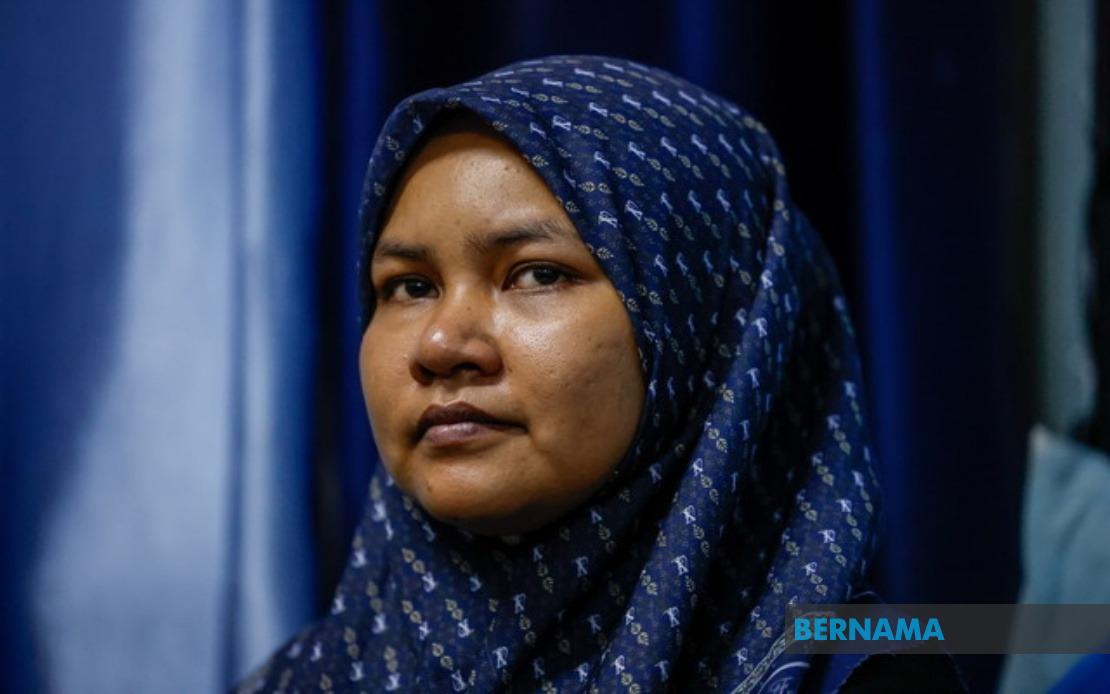
The widow of Amirul Hafiz Omar, a 33-year-old delivery rider killed in a traffic incident in Klang, is preparing to launch civil proceedings seeking RM1 million in damages against the accused driver. According to her legal representative, Nor Nadia Abdul Majid intends to file the suit at Shah Alam High Court next month, contingent upon finalisation of estate administration matters. The tragic incident, which occurred on March 29 along Jalan Raya Barat, has sparked a civil case that underscores the financial and emotional devastation faced by families of victims in fatal traffic accidents involving drug-impaired driving.
Lawyer Nur Iffah Hizwani Omar revealed that comprehensive legal documentation, including a writ of summons and statement of claim, has already been drafted on behalf of the widow. However, the filing remains suspended pending issuance of a Letter of Administration from the courts—a necessary legal instrument that establishes the widow's authority to represent her deceased husband's estate. This procedural requirement, while standard in Malaysian probate law, has created a temporary delay in pursuing what promises to be a significant civil liability case. The administrative process itself reflects the complex intersection of family law, probate procedures, and civil litigation that families must navigate following unexpected deaths.
The High Court in Kuala Lumpur is scheduled to rule on the Letter of Administration application on July 28, a decision that will unlock the next phase of the civil claim. Once obtained, the legal team must then acquire detailed financial documentation from the e-hailing platform through which the deceased supplemented his primary income. These records are critical for accurately calculating the quantum of damages, as they will demonstrate the full extent of economic loss sustained by the widow and her dependent children. The necessity to gather earnings data from multiple employment sources illustrates how gig economy workers, though financially vulnerable, often lack consolidated documentation of their income streams.
Nor Nadia, now 32, has shouldered the complete responsibility for maintaining her household in the four months since her husband's death. Speaking to media at Klang Court Complex, she described the delayed emotional impact of her loss, acknowledging that genuine grief only crystallised three months after the tragedy. The initial weeks were characterised by a sense of normality, as though her husband had simply departed for another day of work—a psychological coping mechanism that eventually gave way to overwhelming sorrow. Her account reveals the prolonged psychological toll that fatal accidents inflict on surviving spouses, particularly those who must simultaneously manage financial instability and single parenthood.
The widow's emotional narrative centred on the daily routines her husband had established with their children. Amirul Hafiz Omar demonstrated remarkable dedication to family life, consistently transporting his children to school each morning and collecting them at midday to share lunch together. This pattern continued regardless of weather conditions, exemplifying a commitment to parental presence that now haunts his widow whenever she observes their children. By assuming these responsibilities herself, Nor Nadia confronts not only the practical burden of dual parenting but also the constant reminder of her husband's sacrifice and her children's loss. Her testimony underscores how fatal traffic accidents fragment family structures in ways that extend far beyond immediate economic consequences.
The criminal proceedings against the accused, R. Saktygaanapathy, have followed a complex procedural path through Malaysia's courts. The 28-year-old driver was initially charged under Section 302 of the Penal Code—Malaysia's most serious homicide provision—at Klang Magistrate's Court on April 1. However, since murder charges fall within the exclusive jurisdiction of the High Court, no plea could be recorded at the lower court level. This jurisdictional requirement reflects Malaysian criminal procedure's protection of serious offences from summary disposal, ensuring that charges involving alleged fatalities receive appropriate judicial scrutiny at superior court level.
During a June 3 appearance, the accused entered a not guilty plea to an amended charge under the Dangerous Drugs Act 1952, specifically relating to self-administration of tetrahydrocannabinol (THC). This shift from murder charges to drug possession appears to represent a negotiated outcome, though the criminal case remains ongoing. The modification of charges raises questions about prosecutorial strategy and the relationship between impaired driving and criminal culpability in Malaysian law. The distinction between directly charging someone with a death caused by drug-induced driving and charging them with drug possession itself reflects significant variations in how the justice system addresses substance-related traffic fatalities. The civil suit pursued by Nor Nadia operates independently of these criminal proceedings, providing an alternative avenue for the widow to seek financial redress regardless of the criminal case's ultimate disposition.
The RM1 million damages claim represents a substantial assertion of civil liability. Determining an appropriate quantum involves calculating not merely lost earnings, but also loss of consortium, emotional distress, and the diminished life prospects of the widow and her dependent children. Malaysian courts have established precedents for assessing damages in fatal traffic accident cases, though awards vary considerably depending on the deceased's age, income trajectory, and family circumstances. The e-hailing earnings documentation will prove crucial in establishing Amirul Hafiz Omar's total annual income, which directly influences projections of lifetime earnings loss. Legal practitioners anticipate that the final claim amount may exceed the initial RM1 million figure once comprehensive income records are obtained, potentially positioning this case as a reference point for future fatal accident litigation involving gig economy workers.
The broader context of this case reflects escalating concerns about drug-impaired driving in Malaysia. The gig economy's expansion has created a substantial workforce of delivery riders and e-hailing drivers who operate extended hours, potentially increasing vulnerability to fatigue-related accidents and substance use. Meanwhile, drug-related traffic fatalities remain a persistent public health challenge, with enforcement agencies struggling to detect and apprehend impaired drivers effectively. This particular incident—resulting in a widow's struggle for financial security and children's loss of paternal presence—exemplifies the cascading societal costs of permitting drug-impaired individuals to operate vehicles.
For Malaysian readers and observers of legal developments, this case demonstrates how civil litigation provides bereaved families with a parallel path to financial redress when criminal proceedings may not yield adequate accountability. The widow's determination to pursue damages reflects not merely personal financial need but also a broader assertion that those responsible for fatal negligence bear material consequences. Her willingness to engage publicly with media, discussing both the legal claim and the emotional devastation, humanises what might otherwise remain an abstract legal proceeding. As the case progresses through the court system, it will likely influence how employers and platforms address driver safety, training, and substance abuse prevention among their workforce. The August filing of this civil suit marks an important step in a family's effort to secure financial stability while the criminal justice system addresses questions of culpability and appropriate sentencing.

