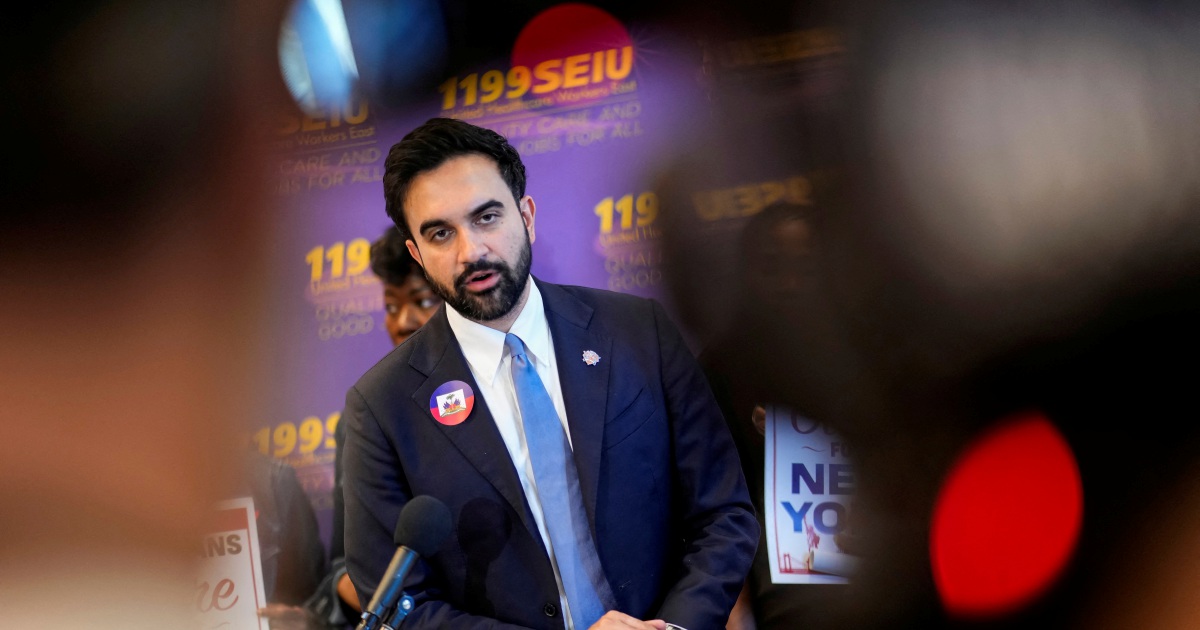
New York Mayor Zohran Mamdani revealed this week that he does not possess the legal authority to detain Israeli Prime Minister Benjamin Netanyahu should he travel to New York City, effectively abandoning an earlier suggestion that he was contemplating such action. The announcement represents a significant shift from Mamdani's previous public stance on the matter, underlining the complex legal terrain surrounding executive power at the municipal level.
The Mayor's initial consideration of arresting Netanyahu had generated considerable attention, reflecting broader tensions around Israel's military operations and international accountability mechanisms. However, upon closer examination of New York's legal framework, Mamdani concluded that municipal authorities lack the jurisdictional and statutory basis to enforce arrest warrants for alleged crimes that would fall outside standard criminal law enforcement at city level. This determination exposes a critical gap between political pronouncements and governmental capacity—a distinction that carries implications beyond New York City itself.
Mamdani's reversal demonstrates how municipal executives, despite their public prominence and constituents' expectations, operate within circumscribed legal boundaries. The Mayor of New York, one of the world's most influential city leaders, cannot unilaterally initiate arrest proceedings based on international law violations without proper statutory authority and jurisdictional grounds. Allegations of war crimes typically fall within the domain of international criminal law, which requires specialized courts and governmental cooperation rather than local police action. The distinction between campaigning against a foreign leader's policies and executing legal processes reflects fundamental principles of federalism and the separation of powers.
The Mayor's initial consideration had signaled to his constituency—which includes significant populations of Palestinian advocates and international justice proponents—that he was prepared to take tangible action. The reversal, while legally sound, risks appearing as a retreat from accountability commitments. Yet it also illustrates how political leadership must ultimately contend with institutional realities. New York's police department, despite its size and resources, operates under state and federal law, not international legal regimes. Arresting a foreign leader would constitute an extraordinary exercise of municipal power, one that could expose the city to diplomatic complications and potential legal challenges.
The episode touches on deeper questions about how democratic cities can address allegations of international crimes without proper legal mechanisms. In recent years, numerous jurisdictions have grappled with similar dilemmas as civil society organizations push for accountability for alleged violations involving various conflicts. The tension between moral imperatives and legal constraints remains unresolved in many democratic systems. International criminal courts exist precisely because individual nations and cities cannot reliably prosecute complex cases involving sovereign actors and wartime allegations.
For Malaysian readers, the situation offers instructive context about how municipal authorities operate within federal systems and how international law intersects with domestic governance. Malaysia's own federal structure similarly constrains what individual states or cities might attempt regarding international affairs. The principle that local leaders lack unilateral power to arrest foreign dignitaries or enforce international law independently applies across democratic systems with clear separation of powers. Understanding these constraints helps clarify why accountability for alleged international crimes typically requires multilateral cooperation, formal international proceedings, or national-level executive action rather than municipal initiative.
Mamdani's decision also reflects practical realities about diplomatic immunity and international protocol. Foreign leaders, particularly sitting heads of government, typically enjoy certain protections under international law and diplomatic convention. Attempting to arrest a serving prime minister could trigger significant international incidents and potential retaliation against the arresting jurisdiction's own interests abroad. These considerations, while not strictly legal barriers, inform the decision-making calculus of responsible city administrators.
The Mayor's statement serves as a reminder that political expression and institutional authority occupy separate domains. Mamdani can continue advocating for accountability mechanisms, supporting international legal processes, or demanding that higher governmental authorities take action. His ability to shape public discourse and mobilize opinion remains intact. However, his capacity to personally enforce arrest warrants encounters the structural limitations inherent in municipal government, which serves as a useful corrective to unrealistic expectations about executive power at local levels.
This situation also highlights how conflict-related accountability issues increasingly generate demands for action at every level of government. As international disputes capture domestic political attention, constituents may push local officials to respond through law enforcement mechanisms that simply cannot address such matters. The challenge for democratic leaders becomes communicating clearly about what is and is not within their authority while maintaining credibility on substantive concerns about justice and accountability. Mamdani's belated but honest acknowledgement of his limitations, though politically inconvenient, preserves the integrity of municipal governance and the rule of law.

