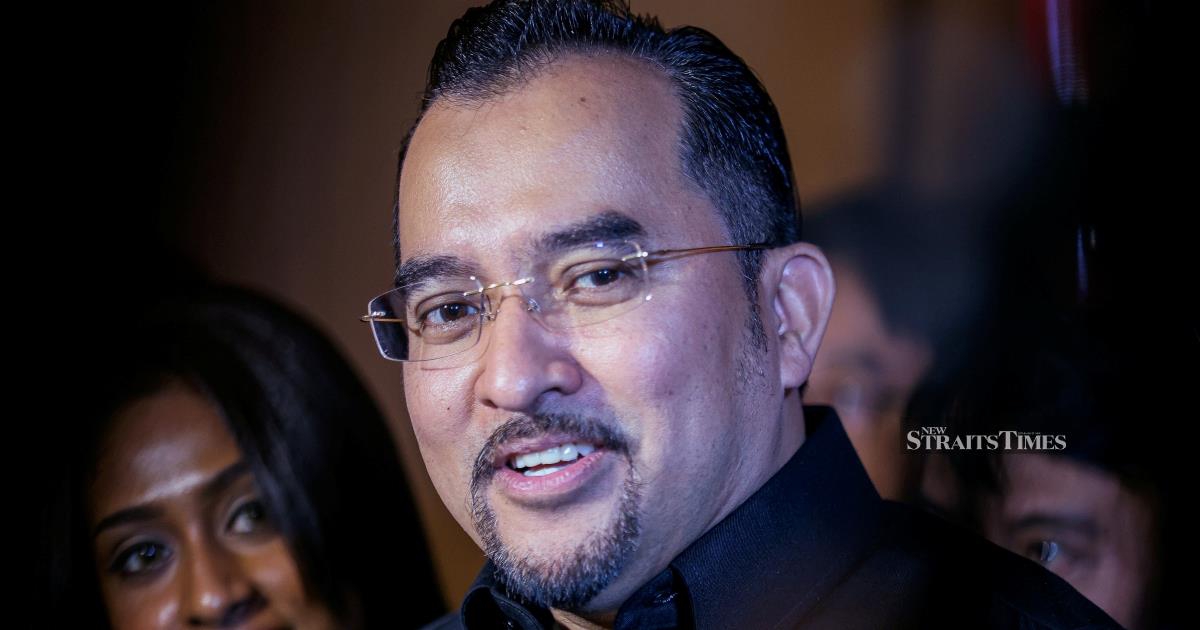
Umno secretary-general Datuk Dr Asyraf Wajdi Dusuki has placed Pakatan Harapan (PH) in a difficult position by demanding clarity on the coalition's succession plan for the Menteri Besar post in Negri Sembilan if the caretaker incumbent, Datuk Seri Aminuddin Harun, fails to retain his Linggi seat. The challenge, made in Kuala Pilah, exposes a potential vulnerability in the ruling coalition's electoral strategy as voters prepare for the state election.
The question strikes at a fundamental issue in Malaysian electoral politics: the transparency and readiness of political coalitions to articulate their contingency arrangements when frontline candidates face electoral risk. Aminuddin Harun has been the caretaker Menteri Besar, holding significant executive authority in the state, yet his seat is apparently competitive enough to warrant contingency planning. If he loses Linggi, it would create a constitutional question requiring an immediate solution, and Asyraf's intervention highlights that PH has not publicly named a successor or made transparent the criteria for selecting one.
Negri Sembilan represents strategically important terrain for both the government coalition and the opposition. The state has historically been competitive, with power alternating between different political forces, and its economic significance as a manufacturing and agricultural hub makes governance continuity a practical concern for investors and residents alike. The Menteri Besar position carries substantial patronage and policy-making authority, making the succession question far more than a procedural matter. It touches on resource allocation, development priorities, and administrative direction across education, health, and economic sectors.
Aminuddin's position as caretaker does not guarantee his reelection. Even sitting elected representatives face genuine electoral jeopardy when campaigns intensify, and the Linggi constituency's demographics and recent voting patterns would be known to political operatives on both sides. The fact that Asyraf felt confident enough to pose this challenge suggests that opposition strategists believe Aminuddin's seat is genuinely vulnerable. Whether this reflects internal polling data or broader momentum remains unclear, but such public questioning from an Umno leader typically indicates perceived opportunity.
The challenge also reflects a broader rhetorical strategy by the opposition to cast doubt on the coalition's preparedness and internal decision-making processes. By forcing PH to either name a successor or remain silent, Asyraf creates a political trap. Naming a replacement signals to voters that party leadership doubts their own candidate, potentially dampening turnout among the base. Remaining silent allows Umno to claim the coalition is disorganized or unprepared to govern. Either way, PH's credibility and decisiveness become fair game in campaign narratives.
For Malaysian voters and observers, this exchange illuminates how electoral politics actually functions at the state level. Governments are run by individuals who hold specific seats and office, and when those individuals face electoral uncertainty, institutional questions arise immediately. Coalition governance requires explicit agreements about succession, yet such arrangements are often implicit or negotiated behind closed doors rather than disclosed to the public. Asyraf's intervention drags this normally opaque process into public view.
The timing of the challenge matters significantly. Made during the campaign period, it serves multiple purposes: it energizes Umno's base by highlighting perceived weakness in the government coalition, it generates media coverage that keeps opposition messaging in the spotlight, and it potentially unsettles PH campaign machinery by forcing rapid response to an uncomfortable question. Whether this translates into actual electoral advantage depends on how voters respond to such tactical exchanges and whether they factor into their voting calculus.
For Negri Sembilan specifically, the question of leadership succession carries practical implications beyond electoral theater. The state requires consistent policy direction across multiple portfolios, and if the Menteri Besar position becomes genuinely uncertain, it could create institutional drift during the campaign period and immediately after. Civil servants and government agencies function most efficiently under clear leadership, and prolonged ambiguity about who holds executive authority can slow decision-making and demoralize the bureaucracy.
The challenge also reflects broader anxieties about coalition stability in Malaysian politics. Since the 2018 general election, multiple coalition arrangements have been tested and reconfigured, creating a political environment where assumptions about continuity cannot be taken for granted. Voters in Negri Sembilan voting for PH candidates must trust not only that they will deliver their campaign promises but also that the coalition's internal dynamics will remain stable enough to implement them. Asyraf's question, however partisan in origin, touches on a legitimate voter concern about political stability.
Pakatan Harapan's response to this challenge will reveal much about the coalition's confidence in its electoral position and its willingness to engage with tough questions about contingency planning. Whether party leaders address the succession issue directly, deflect by attacking Asyraf's motives, or attempt to reframe the narrative will indicate their strategic assessment of the situation. The coalition's handling of this moment could influence both the campaign atmosphere and, potentially, voter behavior.
Ultimately, the Linggi seat and the Menteri Besar question will be decided by the electorate based on multiple factors: local issues, candidate appeal, state government performance, and national political dynamics. Asyraf's intervention is one element in a complex campaign environment, yet it underscores how electoral contests in Malaysia involve not only programmatic choices but also questions about leadership readiness, coalition credibility, and institutional confidence.

