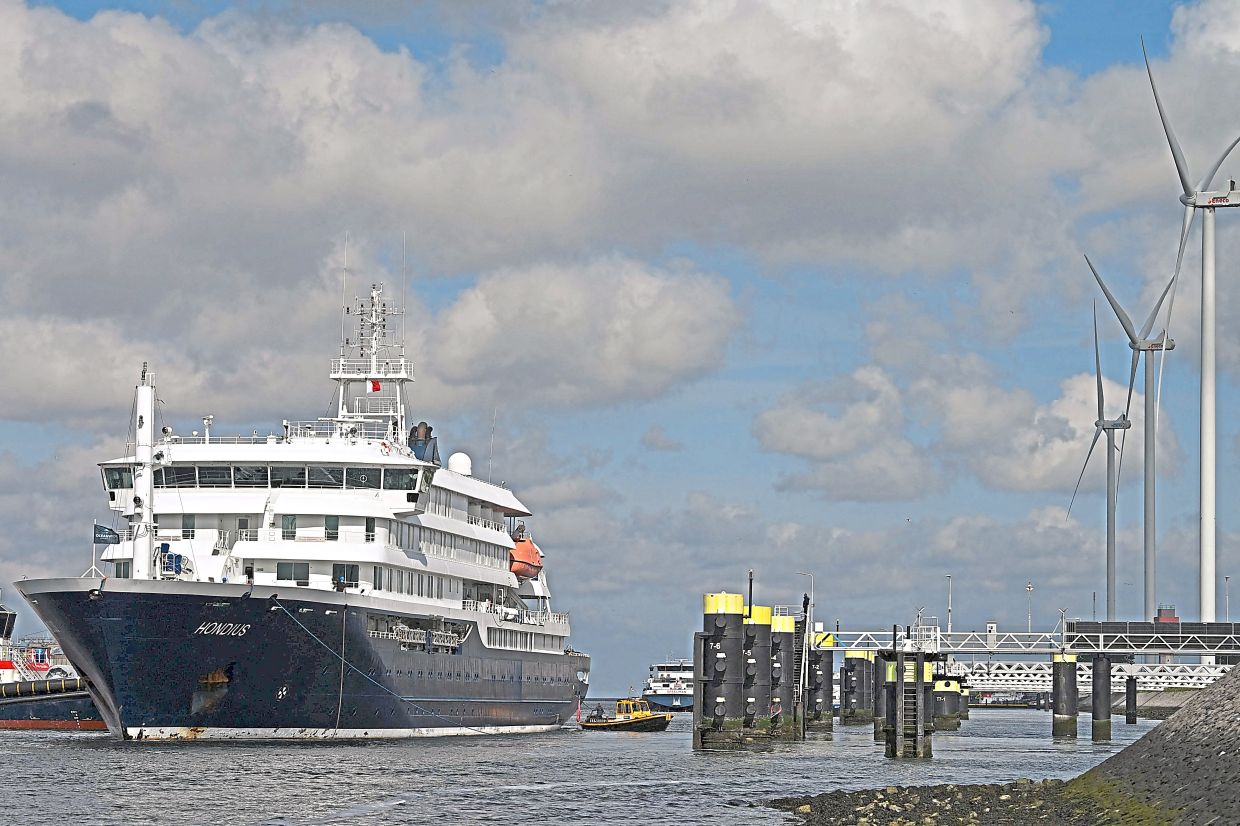
The World Health Organization announced the formal conclusion of a hantavirus outbreak that emerged aboard the MV Hondius cruise ship, a development marking the end of one of the more unusual infectious disease episodes in recent years. WHO Director-General Tedros Adhanom Ghebreyesus confirmed the outbreak's resolution after the final person under quarantine left isolation on July 2, tested negative for the virus, and returned to their home. This declaration comes more than a month after the last confirmed infection on May 25, signalling that the chain of transmission has been decisively broken.
The outbreak associated with the Dutch-flagged vessel resulted in 12 confirmed cases and one probable case, with three deaths recorded throughout the incident. The ship, which operates as a polar exploration vessel designed to navigate challenging waters and remote regions, had set sail from Ushuaia in Argentina on April 1, 2026, with its itinerary encompassing some of the world's most isolated landmasses. The voyage took passengers through the South Atlantic Ocean toward the islands of Tristan da Cunha before the ship altered course northward toward Tenerife in the Canary Islands, where Spanish authorities facilitated the evacuation of remaining passengers as the outbreak became apparent.
The scale of the response demonstrates the seriousness with which global health authorities treated the situation. Health officials across 33 countries and territories implemented contact tracing procedures that identified and monitored more than 650 individuals who potentially encountered infected persons or contaminated environments. This international coordination reflected the cross-border nature of modern cruise ship operations and the inherent challenge of tracking disease transmission when passengers originate from dozens of nations across multiple continents. The virus's potential to spread across international boundaries made the outbreak a matter of genuine global concern, warranting rapid communication and cooperation among national health systems.
Hantavirus, particularly the Andes strain identified in the Hondius outbreak, represents a distinctive public health threat that distinguishes it from many other emerging infectious diseases. Transmitted through contact with infected rodents or their droppings, the virus typically manifests as a rare infection with no currently available vaccines or established specific antiviral treatments. What makes the Andes variant especially noteworthy in epidemiological terms is its unusual capacity for human-to-human transmission, a characteristic absent in other hantavirus strains. This transmission capability elevated the outbreak's severity and justified the intensive surveillance and containment measures deployed by international health authorities throughout the crisis.
The presence of the virus aboard a ship traversing the South Atlantic presents intriguing questions about the contamination pathway, particularly given the vessel's interaction with remote island ecosystems and the conditions inherent to polar exploration vessels. The MV Hondius, which finally arrived at Rotterdam harbour in the Netherlands on May 18 for comprehensive sanitisation, would have encountered rodent populations at various ports and potentially during island visits. Understanding how the virus entered the ship's closed environment and subsequently spread among passengers represents a critical investigative priority for the scientific community seeking to prevent similar incidents.
Although authorities have officially concluded the outbreak, the work of learning from this episode has only begun in earnest for the global scientific and medical research community. The WHO has established a coordinated international research initiative spanning 21 countries to investigate the outbreak's epidemiological patterns and the disease's progression in human hosts. This multi-national study aims to deepen understanding of how hantavirus infection develops in infected individuals, information that will prove essential for advancing diagnostic methodologies that could rapidly identify cases in future outbreaks.
The research agenda extends beyond epidemiological characterisation toward developing medical countermeasures currently unavailable in the existing pharmaceutical arsenal. Scientists are directing efforts toward creating effective vaccines and therapeutic interventions specifically targeting hantavirus, knowledge gaps that the Hondius outbreak has underscored with particular urgency. For Southeast Asia and the Asia-Pacific region, where rodent populations intersect with human settlements across vast areas and where cruise ship tourism continues expanding, the lessons from this European outbreak carry substantial relevance. The region's growing international travel connectivity and its ecological diversity create environments where hantavirus emergence remains a conceivable scenario, making regional preparedness increasingly important.
The ability to declare the outbreak formally concluded represents a significant achievement in modern disease control, reflecting advances in contact tracing technology, international communication systems, and coordinated public health response mechanisms. However, the incident illustrates that even developed nations with sophisticated healthcare infrastructure and rigorous biosecurity protocols face vulnerabilities when novel transmission scenarios emerge in the context of mass travel. For policymakers across Southeast Asia, the MV Hondius situation offers instructive examples of how environmental contamination aboard vessels, combined with the concentration of international passengers, can create conditions favouring disease spread despite advanced living standards and medical capabilities.
The declaration of outbreak conclusion, while formally significant, should be understood within the broader context of ongoing scientific inquiry rather than representing a complete resolution of the public health questions the incident raised. The Andes hantavirus variant's demonstrated capability for human-to-human transmission, combined with the absence of effective preventive vaccines, means that future outbreaks remain possible in any setting where the virus circulates. International health agencies and national governments must view this incident as a catalyst for strengthening surveillance capacity, enhancing diagnostic capabilities, and accelerating vaccine and therapeutic development for hantavirus—preparations that serve not only to address this specific pathogen but to build resilience against the broader category of zoonotic diseases that continue emerging across the globe.

