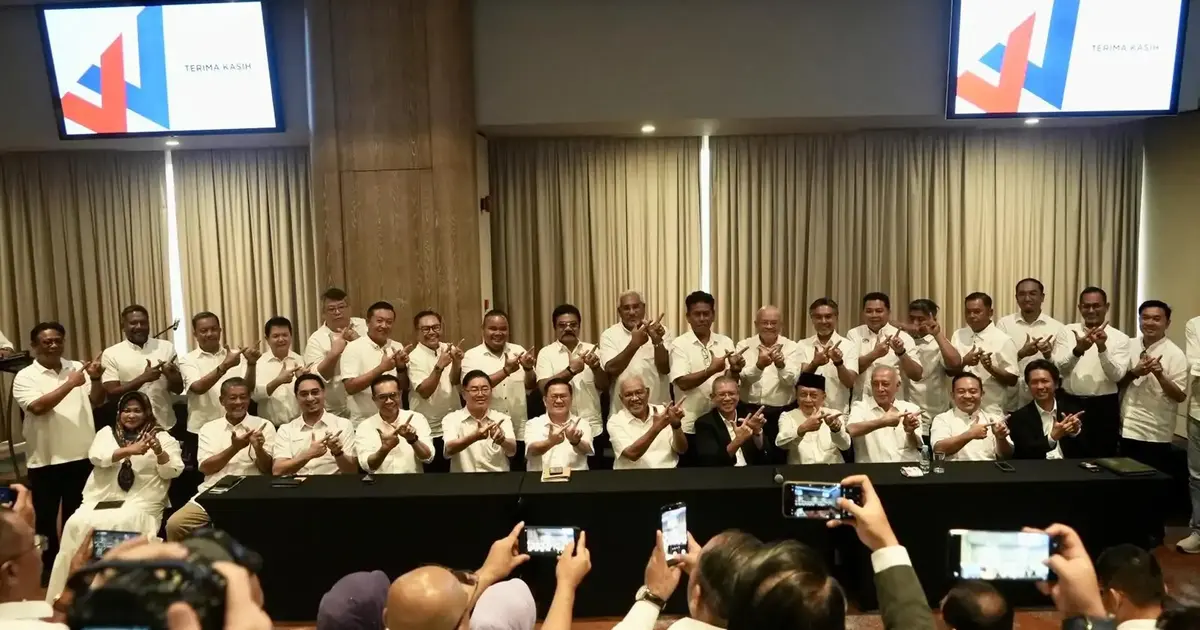
Perikatan Nasional's election chief Sanusi has moved to settle questions surrounding the newcomer party Wawasan's entry into the coalition, asserting that the decision was made democratically through a majority vote cast by the bloc's Supreme Council. The confirmation comes as tensions simmer within the increasingly fractious opposition alliance, which has seen previous disagreements over strategy and representation threaten its cohesion.
Sanusi's statement carries particular weight given his formal role overseeing electoral preparations for PN ahead of upcoming contests. By emphasising the voting mechanism and the involvement of the Supreme Council—the coalition's highest decision-making body—he is attempting to frame the expansion as procedurally sound and binding on all members. This approach seeks to preempt further criticism and establish that proper channels were followed, even if not all parties within the coalition are satisfied with the outcome.
Bersatu, one of PN's cornerstone parties, has voiced reservations about welcoming Wawasan into the fold. The party's objections point to broader concerns about the direction and composition of the coalition, as well as potential implications for seat allocation and campaign resources in future elections. By going on record that its concerns have been acknowledged, Bersatu appears to be signalling that while it opposed the move, it recognises the legitimacy of the decision-making process—a calculated position that balances party autonomy with coalition loyalty.
The admission of Wawasan represents a strategic calculation within PN's leadership. Incorporating new parties theoretically expands the coalition's reach and voter base, though it can also complicate internal negotiations and dilute the influence of founding members. For a coalition still recovering from the shock of the 2022 general election and seeking to build momentum for future contests, bringing in fresh political actors with their own support networks might appear attractive, even if it rankles some existing members.
Wawasan's background and political positioning will be crucial to understanding why the majority of PN's Supreme Council deemed its membership worthwhile. The party's electoral performance, geographic strengths, and potential to attract specific voter demographics would have factored into the decision. From a Malaysian political perspective, the expansion of PN reflects the country's ongoing pattern of coalition fluidity, where opposition blocs continually adjust their membership and alliances in pursuit of electoral viability.
For Malaysian readers, this episode underscores the internal dynamics that define opposition politics at the national level. While Pakatan Harapan has its own management challenges, PN's more recent formation means it is still establishing norms around decision-making and conflict resolution. The Supreme Council vote on Wawasan suggests the coalition has attempted to formalise its governance structures, though the fact that such a decision generated friction indicates these institutions remain untested under stress.
The broader implications extend to Southeast Asia's democratic landscape. Coalition politics in the region often involve trade-offs between inclusivity and coherence. PN's openness to new members contrasts with Pakatan Harapan's tighter structure, and this difference may influence how each bloc evolves strategically. Whether Wawasan's entry strengthens or destabilises PN will depend on how the party integrates with existing members and whether Bersatu's concerns prove prescient or merely reflective of short-term adjustment difficulties.
Sanusi's public confirmation that Bersatu's objections were formally noted suggests an effort to document the decision-making process transparently. This may serve a dual purpose: reassuring other parties that their voices are heard even when overruled, and creating a record that could help resolve future disputes or grievances. In coalition politics, perception of fairness in internal processes often matters as much as the outcomes themselves.
The timing of this announcement also warrants attention. Coalition leadership typically manages such structural changes carefully, choosing moments when they can command media attention favourably. By having the election director address the issue, PN signals that the matter is procedurally resolved and the focus should now shift to electoral preparations and campaign strategy rather than continued internal wrangling.
Moving forward, the test will be whether Wawasan can operate cohesively within PN's structures or whether its admission becomes a source of ongoing friction. Bersatu's willingness to accept the Supreme Council decision, despite its reservations, will be critical in determining whether the coalition can maintain unity heading into crucial electoral contests. For Malaysian politics more broadly, PN's ability to manage internal diversity while maintaining electoral competitiveness remains an open question with significant implications for the nation's political trajectory.

