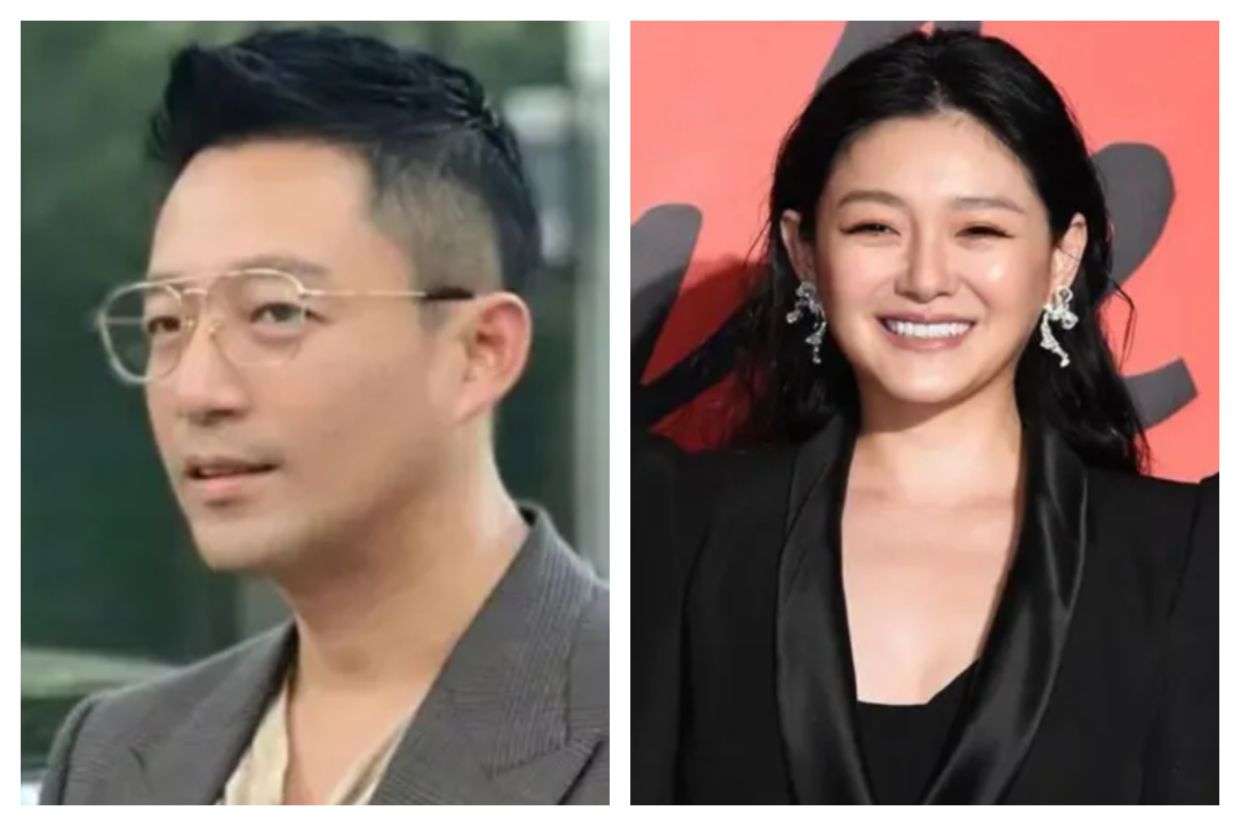
Wang Xiaofei, the Chinese entrepreneur formerly married to beloved Taiwanese actress Barbie Hsu, has stepped forward to dispel mounting rumours surrounding her substantial estate following her death from pneumonia earlier this year. Through an official statement released by his representatives on July 8, Wang sought to bring clarity to a succession fraught with speculation, addressing everything from the disposition of her property to the financial security of her minor children and her elderly mother.
The inheritance dispute has captured regional attention given the complexity of Hsu's personal circumstances at the time of her death. She and Wang were married for eleven years before divorcing in 2021, during which they had two children together. Following the breakdown of that union, Hsu reconnected with South Korean entertainer Koo Jun-yup, professionally known as DJ Koo, whom she had first met and dated two decades earlier in 1998. The pair eventually married, though their time together proved tragically brief when Hsu succumbed to pneumonia in 2025.
Under Taiwan's inheritance laws, Hsu's estate has been divided according to statutory provisions that reflect her family relationships at the time of death. According to Wang's representatives, two-thirds of her total assets are allocated to her two minor children and have been placed into protective trust arrangements designed to shield their interests during their developmental years. This arrangement recognises the ongoing role both biological parents play in their children's welfare, with Wang demonstrating continued financial commitment to the household.
DJ Koo, as Hsu's surviving spouse, is legally entitled to one-third of the estate under Taiwanese succession law, a distribution that Wang's statement indicates he fully accepts and respects. Rather than contest this lawful apportionment, Wang has publicly affirmed that Koo retains complete autonomy in deciding how to manage his inheritance share, whether through personal use, charitable disposition, or other arrangements. This measured response contrasts sharply with the acrimonious speculation that has dominated local media coverage since Hsu's passing.
One particularly damaging rumour centred on claims that Hsu's property holdings had been placed on the auction block due to mounting unpaid mortgage obligations. Additional reports suggested that Hsu's mother faced potential eviction from the family residence, creating a narrative of financial distress and family discord. Wang's representatives moved decisively to refute these allegations, providing concrete clarification about the mortgage arrangements that secured the properties forming part of Hsu's estate.
According to the official statement, Wang has been consistently servicing the mortgage payments on the properties in question since Hsu's death, with these obligations now formally transferred to her minor children as part of their inherited assets. This ongoing financial commitment effectively protects the children's inheritance value while ensuring housing stability for the family unit. Furthermore, Wang's representatives explicitly denied suggestions that Hsu's mother had been pressured to vacate the home, emphasising instead that she remains welcome to continue her residence there indefinitely.
To further safeguard the children's interests during this vulnerable period, Wang recently petitioned the court system to have a special legal representative appointed with responsibility for protecting the minors' rights throughout the inheritance administration process. This proactive step signals Wang's commitment to ensuring that the children's inheritance is managed transparently and in their best interests, separate from any potential conflicts that might arise between other parties to the estate.
Taiwanese financial analysts have estimated Hsu's total estate value at approximately 600 million yuan, equivalent to roughly RM361 million in Malaysian currency terms. This substantial asset base encompasses several categories of property, including a penthouse residence, a premium art collection property associated with the National Taiwan Museum of Fine Arts, and valuable financial assets that formed part of her divorce settlement agreement with Wang. The sheer scale of these holdings underscores why inheritance arrangements have attracted such intense public interest and media scrutiny.
The administration of Hsu's estate is proceeding under formal court supervision with a court-appointed lawyer overseeing the distribution process to ensure compliance with Taiwanese inheritance law and protection of all beneficiaries' interests. This institutional oversight provides an additional layer of transparency and accountability that should theoretically insulate the family from further speculation, though the emotional toll of months of negative media coverage has clearly prompted Wang's representatives to seek a more proactive communications approach.
Wang's statement also contained an implicit rebuke to media outlets that have circulated unverified claims about the inheritance arrangements. His representatives appealed to journalists to cease publishing rumours and unconfirmed reports, characterising the sustained coverage as deeply distressing to family members already grieving Hsu's loss. The plea reflects a broader tension in celebrity-driven news ecosystems where inherited wealth, family relationships, and emotional vulnerabilities often collide to generate sensational narratives irrespective of factual foundation.
The Hsu inheritance saga also illustrates broader complexities affecting cross-cultural families throughout East and Southeast Asia. When individuals maintain marital and familial connections across multiple jurisdictions and cultural contexts, succession arrangements can become legally intricate and emotionally fraught, particularly when significant wealth accumulation amplifies the stakes involved. For Malaysian readers with international family connections, the case underscores the importance of clear estate planning and the potential benefits of court-supervised administration in protecting vulnerable heirs.
Looking forward, the formal court-supervised process should facilitate orderly resolution of remaining inheritance matters while providing legal protection for the minor children whose futures depend on prudent asset management. Wang's public positioning as a financially responsible and legally compliant participant in this process suggests he intends to maintain harmonious relations with all parties while steadfastly advocating for his children's welfare and legacy protection.

