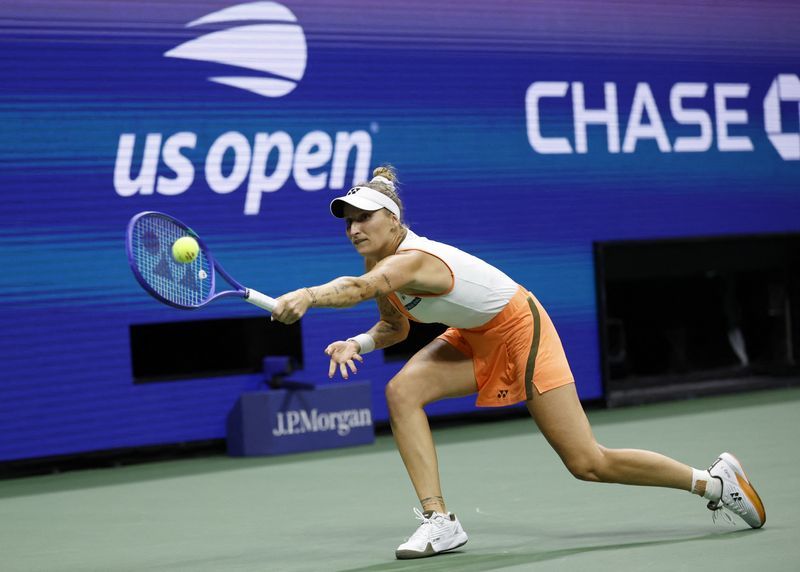
Czech tennis star Marketa Vondrousova has escalated her fight against a four-year doping suspension by lodging an appeal with the Court of Arbitration for Sport, the sport's final judicial authority. The 27-year-old challenger to tennis's establishment was handed the ban in June following a determination by the International Tennis Integrity Agency that she failed to provide a sample during an out-of-competition test administered at her residence in December.
The circumstances surrounding Vondrousova's case have drawn significant attention within tennis circles and beyond, raising broader questions about anti-doping protocols and athlete welfare. According to records, a doping control officer arrived at her home at 8:15 p.m. demanding an immediate test. Vondrousova subsequently declined to submit a sample, an action interpreted by authorities as a refusal that triggered the lengthy suspension. However, the tennis player has maintained throughout that she never engaged in doping and has pointed to the absence of any prohibited substances in a voluntary test she underwent three days following the December 3 incident.
In statements released earlier this year, Vondrousova articulated the psychological toll of competing under intense scrutiny and the strains imposed by professional tennis demands. She described having "reached a breaking point after months of physical and mental stress," signalling that her resistance to the out-of-competition test stemmed from accumulated pressure rather than an attempt to conceal wrongdoing. Her framing of the evening visit as a serious violation of her privacy at home reflected growing tension within the tennis community over the balance between anti-doping enforcement and personal autonomy.
The CAS confirmed receipt of Vondrousova's appeal this week, though the judicial body has not yet scheduled a formal hearing. This means the Czech player faces an extended period of uncertainty as the appeals process unfolds. Under current suspension terms, her ban would conclude on June 21, 2030, at which point she will have reached her 30th birthday—potentially marking the end of her competitive career during what should have been her peak years.
Vondrousova's absence from professional tennis since January has already reshaped her career trajectory. She withdrew from the Adelaide International due to a shoulder injury, beginning a forced layoff that has coincided with her suspension. This combination of circumstances has contributed to a dramatic collapse in her ranking, which has tumbled from a previous high of world number six to current standing at world number 153. The career interruption represents a concerning pattern for Southeast Asian tennis observers, as career-altering injuries and administrative complications have historically derailed promising players from the region.
Her accomplishments prior to these complications underscore the magnitude of what has been lost through this suspension period. Vondrousova captured the prestigious Wimbledon crown in 2023, cementing her status as one of tennis's emerging forces. Earlier career milestones included reaching the French Open final in 2019 and capturing a silver medal at the Tokyo Olympics in 2021. These achievements positioned her among the sport's brightest prospects, making the current predicament particularly poignant for her supporters and concerning for women's tennis more broadly.
The appeal process itself may take considerable time to resolve, and the outcome will carry implications extending beyond Vondrousova's individual circumstances. Decisions rendered by CAS in high-profile cases establish precedent and shape how tennis authorities balance anti-doping enforcement with considerations of player rights and circumstances. For athletes across Southeast Asia and globally, the ruling could influence how governing bodies approach out-of-competition testing protocols and what accommodations, if any, exist for players experiencing extraordinary stress or personal crises.
Vondrousova's case reflects a broader conversation within professional sports about mental health, burnout, and the sometimes-punitive nature of anti-doping frameworks. While preserving the integrity of competition remains paramount, questions persist regarding whether current testing procedures adequately account for the psychological and physical toll on athletes, particularly those competing at elite levels. Her situation illustrates how institutional processes can intersect with personal vulnerability in ways that demand thoughtful examination.
The suspension has effectively sidelined Vondrousova during what would normally constitute her peak competitive years, a consequence that extends beyond the formal ban itself. Her ranking collapse signals how rapidly elite status erodes without active competition, a reality that underscores the stakes involved in the ongoing appeal. For Malaysian and regional tennis communities following the sport closely, Vondrousova's case serves as both a cautionary tale about anti-doping enforcement and a reminder of professional tennis's human costs.
As the CAS proceedings advance, the tennis world watches closely to determine whether Vondrousova's circumstances warrant reconsideration of the suspension or whether the ban will stand as handed down. The outcome will likely influence how athletes and officials alike approach anti-doping compliance in future instances where mental health concerns or privacy objections intersect with testing protocols. Meanwhile, Vondrousova's absence from tournaments continues, her world ranking and competitive momentum eroding with each passing tournament cycle.

