Vietnam has moved to strengthen passenger protections in air travel, with Government Decree No. 208 establishing a comprehensive framework for airline compensation when flights experience delays, cancellations, or schedule changes. Issued this week and taking effect from the start of next month, the decree represents a significant step toward aligning Vietnamese aviation standards with international norms and setting explicit expectations for carrier accountability.
Under the new regulation, airlines must recognize a flight as delayed when its actual departure occurs more than 15 minutes after the scheduled time. The decree further distinguishes between standard delays and what it terms "long delays," defined as disruptions lasting four hours or longer. This tiered classification enables proportionate remedies scaled to the severity of the disruption, acknowledging that a 20-minute delay warrants different passenger assistance than a four-hour postponement. By establishing these clear thresholds, the decree removes ambiguity that previously allowed carriers discretion in determining their obligations.
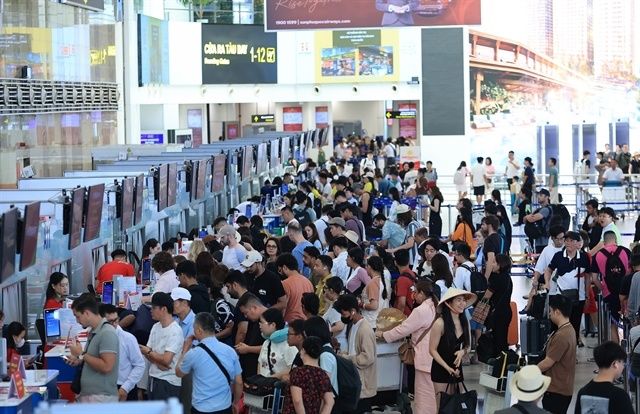
When delays become inevitable, Vietnamese carriers must now act with transparency and urgency. Airlines are required to communicate the disruption, issue an apology, and explain the underlying cause to affected passengers. Beyond this immediate notification, they must ensure the airport's flight information displays receive updated departure estimates at minimum every half hour, coordinating with both airport operators and terminal service providers to guarantee consistent information across all public screens. This requirement addresses a common frustration for travelers—conflicting or stale information displayed in different parts of the airport.
For delays stretching two hours or more, material support becomes mandatory. Airlines must supply drinking water to waiting passengers or issue vouchers with equivalent monetary value, ensuring that extended airport time does not compound passenger inconvenience through thirst or hunger. More significantly, when the delay stems from the airline's own operational failures, carriers must rebook passengers on alternative flights or reroute them at no extra cost, waiving the surcharges and rebooking restrictions that typically apply to schedule changes.
Accommodation requirements differentiate based on when the delay occurs. For disruptions happening during daytime hours—from 7am to 10pm—airlines must arrange suitable rest facilities according to airport capacity and conditions. Night delays, occurring between 10pm and 7am, trigger more robust obligations: airlines must provide sleeping or rest accommodation matching local standards, or reach an alternative arrangement acceptable to the passenger. These provisions recognize that waiting through the night for a flight carries distinct physical and emotional costs compared to daytime delays.
The decree introduces substantial obligations for schedule changes as well, addressing a practice that sometimes allows carriers to reclassify delayed departures as deliberate schedule adjustments. When an airline alters a planned departure time by five hours or more, it must notify passengers and offer ticket refunds upon request, rebooking on alternative itineraries, suitable time adjustments, or placement on another flight within 72 hours. More modest schedule changes—advances of up to four hours or delays of 15 minutes or less—remain subject to each airline's own policies, providing some flexibility for minor adjustments that passengers can more easily accommodate.
Cancellations receive explicit definition and remedial structure. A cancelled flight is one that the airline fails to operate under a flight number for which at least one passenger held a confirmed booking. When cancellations occur, airlines must immediately notify passengers, apologize, and explain the reason. If the airline bears responsibility for the cancellation, passengers gain the right to choose among three remedies: reboarding on a suitable alternative flight at no additional cost with all surcharges waived, a full fare refund, or reimbursement for the unused portion of their ticket. This choice mechanism empowers passengers to select solutions that best fit their circumstances rather than accepting whatever option the airline prefers.
The implementation of Decree No. 208 reflects growing regional momentum toward enhanced passenger rights in Southeast Asia. As Vietnam continues developing its aviation sector and international connectivity expands, establishing clear compensation standards provides both travelers and carriers with predictable frameworks. For Malaysian readers and businesses involved in regional aviation, the Vietnamese regulation offers a window into evolving standards that may eventually harmonize across ASEAN as countries adopt similar protections.
The Minister of Construction will issue further guidance specifying the exact amounts for non-refundable advance compensation, payment timelines, and carrier reporting obligations for delays, cancellations, and denied boarding situations. These implementing regulations will translate the decree's broad principles into precise financial and administrative requirements. The staggered implementation—with core protections taking effect immediately but detailed compensation schedules to follow—allows airlines a period to adjust systems and train personnel while passengers gain prompt access to fundamental rights.
For travelers transiting through Vietnam or flying domestically, the decree addresses long-standing frustrations that plagued the region's aviation experience. Drunk water and accommodation provisions, transparent information updates, and clear rebooking rights transform air travel from an experience where passengers absorbed all disruption costs into one where shared responsibility exists. The emphasis on carrier accountability for delays caused by airline fault—rather than framing all delays as unavoidable acts of nature—establishes a meaningful distinction between genuine force majeure and operational shortcomings that airlines can control or prevent.
The decree's framework also carries indirect benefits for broader Southeast Asian aviation regulation. As Vietnam implements these standards, other regional carriers operating there must comply, familiarizing themselves with enhanced passenger protections. Should neighboring countries adopt similar measures, the resulting convergence would reduce confusion for frequent travelers navigating different compensation regimes across ASEAN nations. For passengers across the region, Vietnam's decisive step toward codifying airline accountability sets a precedent that more developed aviation markets should match or exceed.