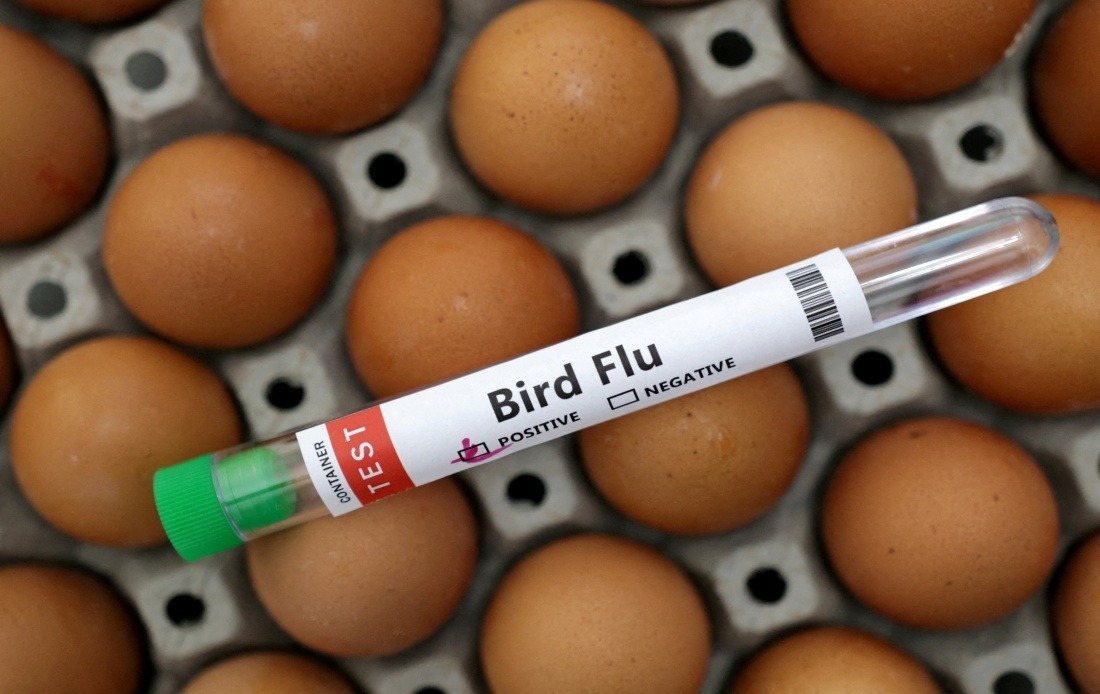
Australia's Victoria state has taken unprecedented action by becoming the country's first jurisdiction to enforce mandatory indoor housing for poultry operations as H5N1 avian influenza cases continue climbing across the region. The directive, which represents a significant escalation from previous voluntary guidelines, will require all producers managing more than 50 birds to shelter their flocks indoors for an initial period of two weeks. This move signals growing alarm among authorities about the trajectory of the outbreak and its potential to breach Australia's domestic agricultural sector.
Agriculture Minister Michaela Settle characterised the mandatory housing order as a forward-looking precautionary step rather than a response to an immediate agricultural crisis. The measure builds upon voluntary housing protocols already in place, but codifies them into law to ensure broader compliance across the state's poultry farming community. Officials have framed the intervention as essential prevention, acknowledging that the virus's spread into new geographical areas warrants stronger defences around commercial and semi-commercial farming operations that could serve as vectors for wider transmission.
The escalation of control measures reflects concerning epidemiological developments on the ground. Graeme Cook, Victoria's Chief Veterinary Officer, pointed to newly confirmed cases identified in Yambuk, Apollo Bay, and Clyde as the primary drivers for strengthening the state's response strategy. These detections demonstrate that H5N1 is not remaining confined to known hotspots but is instead establishing itself across disparate regions, complicating containment efforts and suggesting the wild bird population carries the virus more widely than previously understood.
Federal authorities have documented a troubling expansion in confirmed cases. Beth Cookson, Australia's Chief Veterinary Officer, confirmed Friday that testing had identified 20 additional positive cases within Victoria, all involving greater crested terns concentrated in the Portland and Nelson area. When combined with existing case numbers, Australia has now accumulated 175 confirmed or presumed positive H5 detections in tested samples nationwide. This accumulation underscores a consistent detection pattern centred on wild bird populations rather than domestic flocks, yet provides little reassurance given the mobility of migratory species.
Despite the mounting wild bird infection count, Australian authorities have maintained that no detections have occurred within commercial poultry operations or the broader agricultural production system. This distinction is crucial for understanding the current risk landscape. The virus remains predominantly confined to wildlife, particularly seabirds, and has not yet breached the biosecurity barriers protecting intensive farming operations. However, the preventive logic underlying Victoria's new mandate reflects awareness that such a breach remains theoretically possible and would carry severe economic and food security consequences.
Public health messaging has consistently emphasised that human transmission risk remains extremely low. Authorities have not elevated the threat assessment to the general population, and no human cases have been reported in Australia. This measured communication approach contrasts with the precautionary stance toward animal agriculture, reflecting expert understanding that while H5N1 poses manageable hazard to humans under current circumstances, the economic and agricultural implications of farm-level infection demand aggressive preventive action. The disconnect between human risk and agricultural risk drives policy intensity.
The outbreak's psychological and cultural impact has extended beyond farming communities. The Royal Adelaide Show, a major annual agricultural and cultural event scheduled for next month, has made the decision to cancel bird and poultry exhibits entirely. This cancellation represents a significant departure from normal programming and signals how widespread concern about H5N1 has become even in regions not currently experiencing intensive transmission. Major public events are adjusting operating procedures to accommodate biosecurity anxieties, indicating that the virus's presence is reshaping social behaviour beyond direct epidemiological necessity.
For Malaysian and Southeast Asian observers, Victoria's actions carry important implications. Australia's experience with H5N1 demonstrates how rapidly avian influenza can establish itself geographically and how governments respond with escalating restrictions when surveillance detects spread. Southeast Asia has endemic H5N1 circulation in wild and domestic bird populations across multiple countries, making Australian containment strategies potentially relevant as templates for regional outbreak management. The decision to move from voluntary to mandatory measures offers a case study in the political and economic thresholds that trigger government intervention in agricultural sectors.
The economic impacts on Victorian poultry producers remain uncertain, though the 14-day initial timeline suggests authorities expect either case resolution or further escalation requiring extended restrictions. Indoor housing requirements increase operational costs through ventilation demands and density management. Small producers, particularly hobbyist operations maintaining flocks between 50 and several hundred birds, face disproportionate compliance burdens. The mandatory approach forecloses the flexibility that voluntary measures permit, yet provides equivalent protection across all farming scales simultaneously rather than relying on voluntary participation rates that authorities evidently considered insufficient.
The timing and scope of Victoria's response reflects evolving risk assessment. Officials appear to have concluded that the voluntary approach's limitation—relying on producer cooperation rather than mandate—created unacceptable vulnerability as case numbers accumulated. The transition to mandatory housing represents confidence that the measure will reduce transmission risk without generating political backlash sufficient to undermine implementation. Future decisions about extending the 14-day period will depend on surveillance data from coming weeks and whether new cases emerge in different locations or in poultry operations themselves, thresholds that would indicate either control success or the need for additional interventions.

