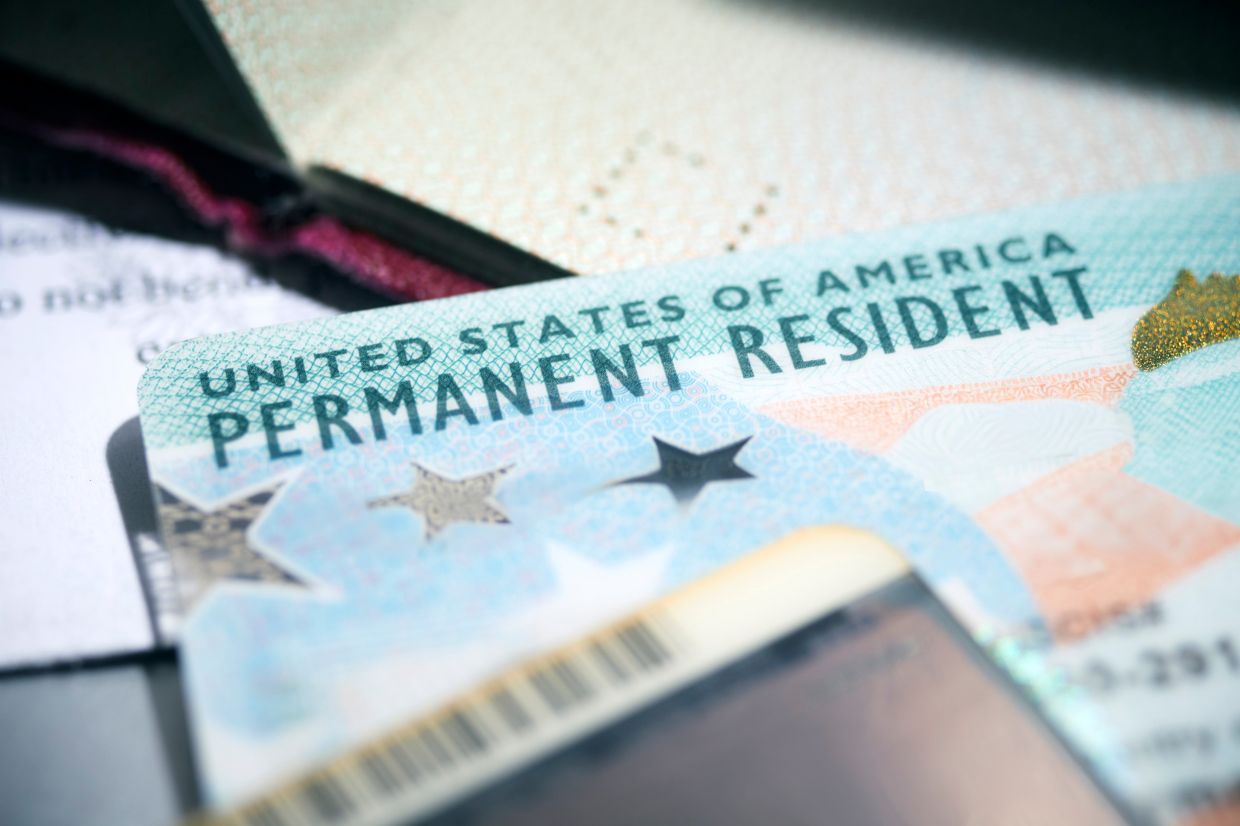
United States diplomatic missions across the globe have put a hold on immigrant visa interviews, directing staff to undergo intensive training on implementing a more stringent assessment known as the "public charge" test. This examination determines whether visa applicants are likely to become dependent on American government assistance programmes. The freeze represents a significant shift in how consular officers evaluate applicants and comes in the wake of a federal court's rejection of a separate travel ban affecting 75 countries, which had been premised on similar restrictive reasoning.
The State Department has mandated that officers apply this assessment "comprehensively and consistently" across all locations, signalling a coordinated effort to reshape immigration evaluation criteria. While the specific factors considered—age, health, family composition, financial resources, educational background, professional skills and employment prospects—have long existed in immigration law, the Trump administration has introduced new directives requiring their more aggressive application. In certain instances, consular officers now possess authority to demand public charge bonds from applicants, a practice that previously operated at the margins of immigration administration.
Experts observing the policy shift characterise the rollout as unusually disruptive. Sarah Pierce, who directs social policy initiatives at the Washington-based Third Way and previously analysed immigration cases for the US Citizenship and Immigration Services, argues that the administration selected "the most disruptive possible way to roll this out". Charles Kuck, an Atlanta-based immigration attorney who defended over 100 students against administration actions last year, reports that officers are receiving explicit training "on how to deny cases under public charge rules". The implications extend beyond individual cases; Kuck emphasises that family-sponsored applicants will encounter substantially heightened barriers, while applicants in the diversity visa programme—which provides opportunities for nationals of underrepresented countries—face comparable difficulties.
For those whose interviews have been cancelled, understanding what remains unchanged offers crucial clarity. A postponed interview does not automatically invalidate an approved petition or eliminate an applicant's priority date standing. Pierce emphasises that the State Department has deliberately avoided announcing the revocation of underlying approvals, meaning petitions retain their legal status even as scheduling remains suspended. However, the practical consequences of delay prove severe for individuals who have already purchased airline tickets, liquidated property holdings, or completed required medical examinations. The absence of any State Department announcement regarding when normal scheduling will resume creates profound uncertainty for applicants globally.
For those pursuing diversity visas, timing pressures intensify considerably. The United States government operates on a fiscal year ending September 30, by which point all diversity visas must be issued. Applicants in this category must ensure the National Visa Centre maintains current contact information—functional email addresses, telephone numbers, and mailing addresses—to avoid administrative complications. Additionally, applicants should verify that their file remains on track rather than assume that a cancelled interview implies administrative closure.
The freeze specifically targets green card interviews conducted abroad and does not encompass other visa categories. H-1B work visas, student visas, and tourist visas remain outside the immediate freeze's scope. Nevertheless, Kuck cautions that public charge provisions technically possess legal applicability to non-immigrant categories as well, though current evidence suggests implementation remains confined to immigrant visa holders. The distinction matters for workers and students contemplating relocation to the United States, as immediate impacts appear limited, though future regulatory direction remains uncertain.
For H-1B visa holders specifically, Pierce notes that much of the administration's H-1B agenda remains forward-looking rather than immediately operative. The proposed US$103,000 application fee has not yet taken effect, and the proposed lottery system does not yet affect individuals already selected. However, those requiring visa stamps processed outside United States territory face the greatest exposure to the stricter public charge assessment. Pierce explains that consular officers traditionally relied on a properly executed I-864 affidavit of support in family immigration cases unless "unusually significant concerns" emerged. The new aggressive implementation, while Pierce stops short of characterising it as a legal blanket prohibition, threatens to function "like one for certain populations" through cumulative denials.
The absence of statutory guidance governing public charge implementation creates particular vulnerability. Kuck identifies this regulatory vacuum as dangerous, permitting "a great deal of mischief" in officer discretion. If consular officers discover fraud, material changes in applicant circumstances, or clear errors during interviews, they can return files to USCIS, which then determines outcomes. Pierce warns applicants to understand precisely what information was submitted in their names and avoid guessing when questioned about unfamiliar details. Family immigration cases prove particularly difficult to reverse once cancelled, since spousal relationships cannot be ambiguous; employment-based cases receive greater reconsideration, and many returned petitions eventually win reapproval.
Applicants already holding lawful status must exercise exceptional caution regarding international travel. Kuck advises that individuals should not depart the United States "unless they have an emergency need to travel", while Pierce applies an identical standard, urging applicants to "think harder before international travel if returning depends on a new visa". An approved O-1 visa petition—even for high-skilled workers—provides insufficient justification for overseas travel under current circumstances. Those with lawful status should carry documented proof: green cards, I-94 arrival records paired with I-797 notices, or employer letters. Pierce recommends maintaining backup copies accessible to family members.
Foreign workers entering the United States should carry employment verification documentation including recent pay stubs and signed job offer letters. Individuals lacking lawful status face particular jeopardy; this category includes those utilising 240-day extensions following H-1B visa expiration and those relying solely on pending green card or asylum applications. Such individuals must avoid all international travel. Recent arrivals now face compressed authorized stay periods; instead of indefinite durations, they receive fixed periods generally not exceeding four years, supplemented by a 30-day grace period rather than the previous 60-day allowance.
The administration has substantially escalated both the volume and aggressiveness of immigration enforcement operations generally, creating heightened consequences for bureaucratic errors or inconsistencies. This broader enforcement context amplifies risks for all applicants navigating the system. The combination of stricter public charge scrutiny, compressed interview schedules, and intensified enforcement operations fundamentally reshapes immigration pathways for family-sponsored applicants, diversity visa recipients, and workers seeking entry to the United States. Malaysian nationals and other Southeast Asian applicants contemplating American relocation should carefully evaluate current conditions before initiating or advancing visa applications, given the substantially narrowed pathway characteristics and elevated denial risks now prevailing across the global immigration system.

