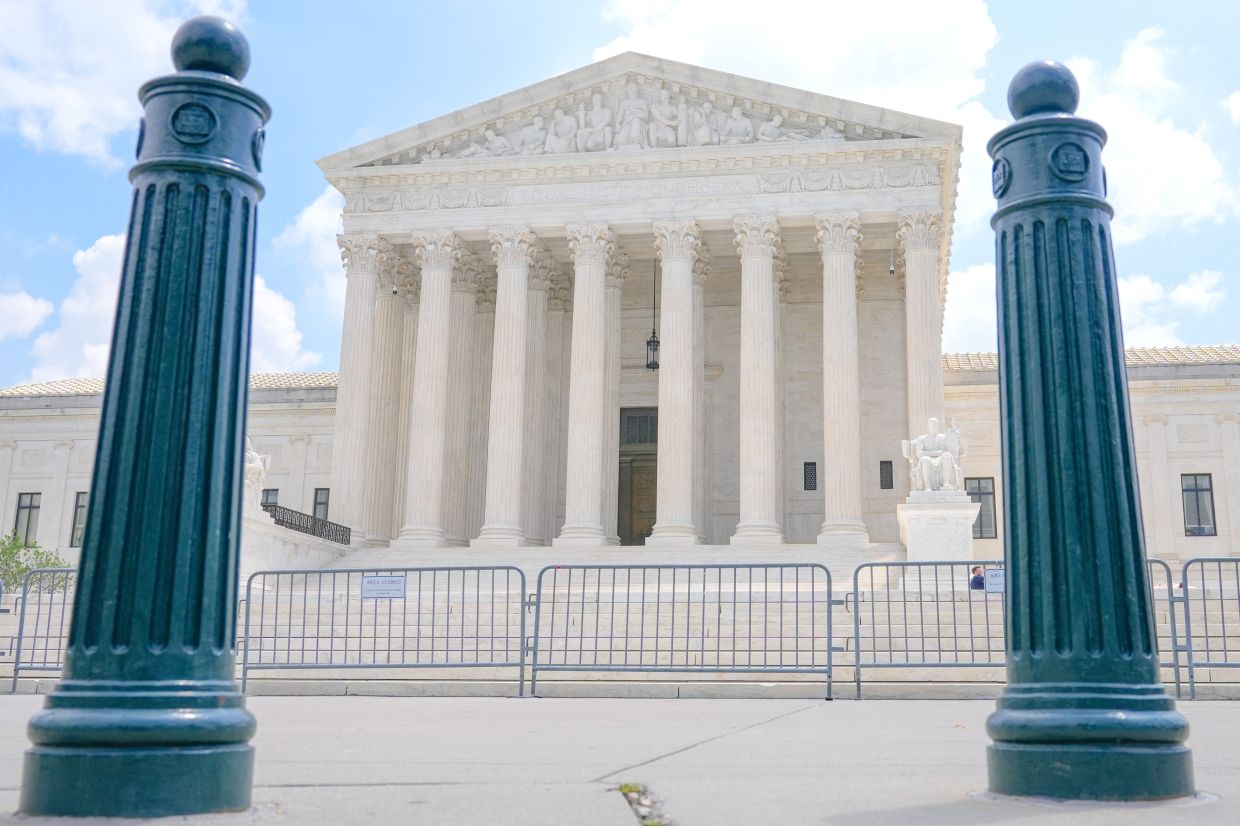
The United States Supreme Court has effectively cleared the path for Texas to enforce its App Store Accountability Act, rejecting emergency appeals from civil liberties groups and technology industry representatives who argue the measure unconstitutionally restricts access to lawful content online. Justice Samuel Alito issued terse one-sentence orders denying the petitions without elaborating on his reasoning, a procedural move that signals the court's reluctance to intervene in what has become a fractious debate over parental controls, child protection, and digital freedoms in America.
The Texas legislation has already survived one significant legal hurdle. In June, a three-judge panel sitting on the 5th US Circuit Court of Appeals voted to permit the law to take effect, effectively overturning a district court decision issued the previous December that had found the statute violated the First Amendment. This appellate reversal shifted momentum toward implementation, and the Supreme Court's refusal to grant an emergency stay has now removed the final federal barrier to the law's enforcement.
The challengers opposing the Texas measure represent a diverse coalition spanning technology companies and grassroots advocacy organisations. The Computer & Communications Industry Association, which represents major software and internet firms, joined Students Engaged in Advancing Texas—a group advocating for digital rights—in petitioning the Supreme Court for relief. Both organisations named Texas Attorney General Ken Paxton as the defendant, positioning the legal contest as a clash between Silicon Valley interests and a state government intent on regulating digital platforms.
The constitutional case hinges on competing interpretations of free speech protections under the First Amendment. Lawyers representing the challengers contend that the age verification requirement effectively functions as a content filter that blocks Texans from accessing news websites, educational platforms, and other materials typically afforded full constitutional protection. They argue the state cannot hide behind child protection rationales to accomplish what amounts to censorship, and that parental supervision should remain a family matter rather than a subject of government mandate.
In their formal submission to the Supreme Court, attorneys for Students Engaged in Advancing Texas articulated this position with particular emphasis on parental autonomy. They stressed that protecting freedom of speech remains paramount, and that parents themselves—rather than state legislators—should retain the authority to decide how to monitor their children's device usage and online activities. This framing rejects the premise that government paternalism serves the public good when it overrides both speech rights and parental decision-making.
Texas officials defend the law from an entirely different perspective, centring their argument on the genuine vulnerabilities of minors in digital environments. Paxton's legal team characterises contemporary app stores as portals through which children can rapidly access material harmful to their development, download applications that harvest personal data without informed consent, and encounter content their parents never intended them to see. From this vantage point, the age verification requirement represents a modest, reasonable safeguard comparable to restrictions on purchasing alcohol or tobacco—protections most Americans already accept as legitimate exercises of state police power.
This legal confrontation reflects broader anxieties across the United States about how to govern technology platforms in ways that protect children without strangling free expression. Texas is among several states attempting to impose stricter regulations on social media and app store access, with similar legislation pending in other jurisdictions. The Supreme Court's unwillingness to block the Texas law suggests the justices may be inclined to permit states considerable latitude in this domain, at least for now.
For Malaysian and Southeast Asian observers, the Texas controversy carries instructive implications. Governments across the region have shown increasing interest in regulating digital platforms, whether to protect minors, combat disinformation, or assert greater control over online speech. The American precedent demonstrates that even constitutional democracies with strong free speech traditions face pressure to implement age verification and content gatekeeping measures. It also illustrates how difficult courts find it to resolve the underlying tensions between child safety, parental rights, and digital freedoms.
The Texas case also underscores the growing political salience of child protection arguments in technology regulation. When governments frame digital restrictions as measures to shield young people from harm, courts tend toward deference, even when such restrictions incidentally affect adults' access to lawful content. This pattern could prove influential in jurisdictions worldwide where similar legislative proposals are being debated.
Moreover, the Supreme Court's silence—its refusal to explain why it rejected the petitions—leaves fundamental questions unresolved. The justices have not clarified whether age verification requirements generally survive constitutional scrutiny, nor have they articulated standards by which to distinguish permissible child protection measures from impermissible speech restrictions. That ambiguity will likely persist until the high court addresses these issues head-on, probably when a case reaches it with fuller briefing and argument.
Meanwhile, Texas will proceed with implementing the App Store Accountability Act, potentially setting a template for other states contemplating similar legislation. Tech companies and digital rights organisations face the prospect of adapting their services to comply with state-mandated age verification, a costly undertaking that could reshape how apps are distributed and accessed across the United States. The practical consequences may ultimately prove as significant as the constitutional questions the law raises.

