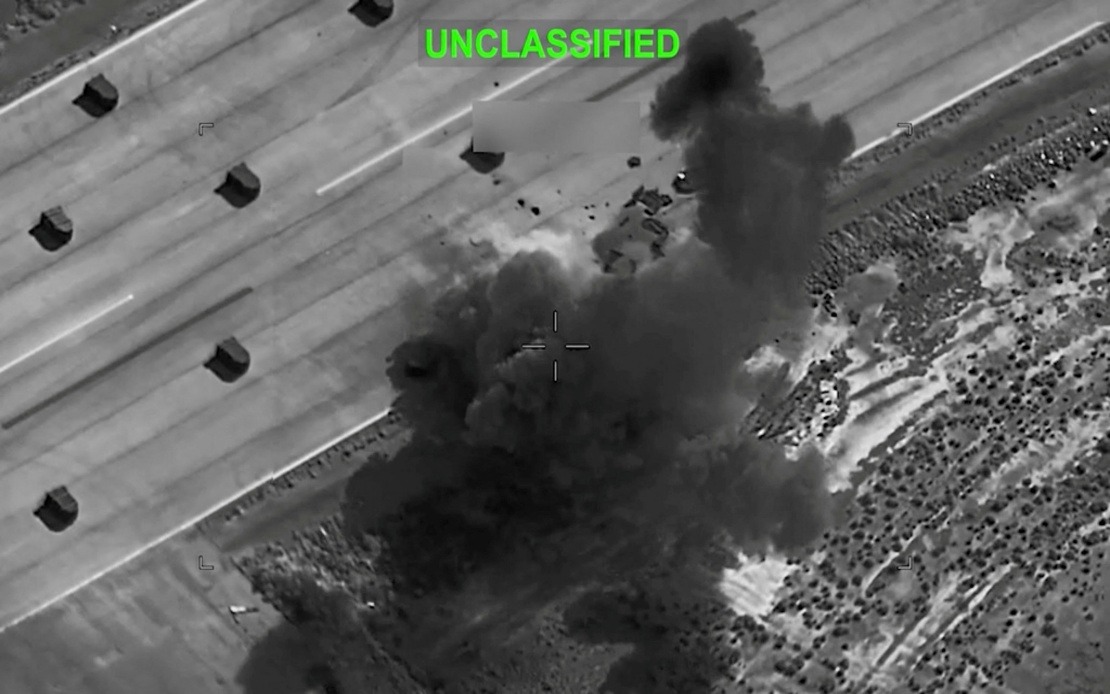
The Iranian Health Ministry has reported significant casualties from what it describes as unprovoked American military strikes conducted on July 8 and 9, 2026, across five Iranian provinces. According to Health Ministry spokesman Hossein Kermanpour's statement released Thursday, the attacks resulted in at least 14 deaths and 78 injuries, with nearly two-thirds of the wounded requiring ongoing hospital care. The disclosure underscores mounting tensions in an already volatile Middle Eastern theatre, with implications that extend well beyond Iran's borders and into the calculations of regional powers and their global partners.
Kermanpour's account, posted on social media platform X, characterises the operations as particularly contentious because they occurred while a ceasefire arrangement was nominally in effect. This framing carries significant diplomatic weight, suggesting that Iran views the American actions as a violation of existing understandings between the parties. The targeting of multiple provinces simultaneously indicates a coordinated military campaign rather than isolated incidents, pointing to a deliberate strategic decision by United States military command. The specific number of five provinces affected suggests the strikes were geographically dispersed, potentially aimed at demonstrating capability or deterrence across Iran's territory.
Among those wounded in the attacks, 47 individuals remained hospitalised as of the Health Ministry's statement, indicating the severity of injuries sustained. The remaining injured had been discharged following medical treatment, though their long-term physical and psychological condition remains unclear. This distinction between those still receiving care and those released is medically significant; it suggests that while some casualties were minor to moderate, others required sustained clinical intervention. The Health Ministry's precise accounting, while preliminary, represents an attempt to establish a documented record of the incident's human toll.
From a Southeast Asian perspective, this escalation in Middle Eastern hostilities carries economic and security ramifications that touch the region's interests. Malaysia and other ASEAN nations maintain substantial trade relationships with Iran and are deeply invested in global energy markets that depend on stable Middle Eastern conditions. Disruptions to this region have historically triggered oil price volatility and shipping security concerns that directly affect Southeast Asian economies. The Strait of Hormuz, through which enormous quantities of energy resources transit daily, lies at the heart of these tensions.
The invocation of ceasefire violations raises questions about the mechanisms supposed to govern conflict de-escalation between the United States and Iran. International observers note that ceasefires, particularly in Middle Eastern contexts, are inherently fragile constructs dependent upon good faith implementation and communication channels. When one party alleges that the other has breached agreed-upon terms while fighting is supposed to be suspended, the entire framework for negotiated settlement becomes jeopardised. This breakdown in restraint suggests that previous diplomatic efforts may be unravelling, pushing the region toward a more unpredictable and dangerous trajectory.
The geographic distribution of strikes across multiple provinces, rather than concentration on military installations alone, raises humanitarian concerns that international bodies may examine. Questions naturally emerge regarding target selection, civilian presence in affected areas, and whether sufficient precautions were taken to minimise non-combatant casualties. The Iranian Health Ministry's reporting, while potentially carrying its own institutional perspective, provides initial documentation that may become relevant to future accountability discussions within international forums.
For Malaysia's diplomatic position and foreign policy calculations, this escalation creates a challenging environment. As a Muslim-majority nation with balanced diplomatic relationships across the global order, Malaysia typically favours de-escalation and multilateral approaches to regional crises. The involvement of the United States, a strategic partner to many ASEAN nations and a counterbalance to rising regional powers, in active military operations against Iran complicates the region's delicate equilibrium. Southeast Asian governments have consistently called for restraint and adherence to international law in Middle Eastern disputes, positioning themselves as voices for peace even when their strategic partners are engaged in confrontation.
The timing of these strikes during a supposed ceasefire period also reflects the fragile nature of any arrangement that lacks robust international oversight or enforcement mechanisms. Previous ceasefire agreements in the Middle East have sometimes collapsed due to accusations by one side that the other was using the pause to reposition forces or rearm. Whether the current situation involves similar dynamics remains unclear, but the pattern is sufficiently familiar that regional analysts are likely examining it through that interpretive lens.
Looking ahead, this incident will probably influence future negotiations and trust-building efforts between the involved parties. International mediators, if they are engaged, will face the difficult task of determining whether these strikes represent a tactical deviation from ceasefire terms or a fundamental collapse of the arrangement. The answer to that question carries enormous consequences for global stability, energy markets, and the security calculations of nations throughout Asia and beyond. For Malaysian policymakers and regional observers, close attention to how these events unfold, and whether diplomatic channels can be quickly restored, remains essential to protecting their own national interests.

