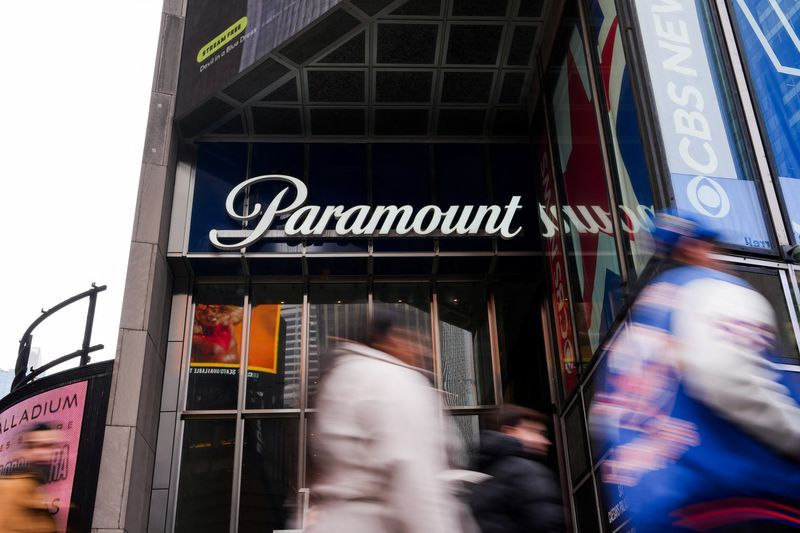
A coalition of twelve American states, led by California, has launched a legal challenge against the proposed merger between Paramount and Warner Bros Discovery, contending that the combination would inflict significant damage on local cinema operators and cable television providers already grappling with structural industry pressures. California Attorney General Rob Bonta articulated the states' position at a Monday news conference held before Hollywood's iconic sign, warning that the consolidation threatens to squeeze resources away from the theatrical experience precisely when audiences need reasons to return to cinemas.
The core argument advanced by the plaintiffs centers on market concentration and bargaining power asymmetries. Should the merger proceed, the combined entity would control more than 27 percent of the market in both movie distribution and basic cable television—a concentration that fundamentally alters the negotiating dynamics between major studios and the smaller operators who depend on their content. The states contend that this structural imbalance would enable the enlarged studio to extract increasingly unfavorable terms from theater owners, forcing cinema operators to surrender greater shares of box-office revenue in exchange for access to blockbuster films that drive attendance.
Theater owners face a difficult economic reality that makes them vulnerable to such pressure. Independent cinema chains have invested substantially in facility upgrades—premium seating, expanded concession menus, and advanced projection systems—to differentiate themselves in an era when streaming services offer convenient home viewing. These capital expenditures depend on theaters maintaining healthy profit margins. However, if Paramount-Warner Bros gains the leverage to demand 60 percent or more of ticket revenue for anticipated releases, theater owners would face an impossible choice: accept unfavorable terms or forfeit the films necessary to attract audiences. The consequence, according to Bonta's analysis, would be reduced investment in audience amenities, coupled with pressure to raise ticket prices even as theaters attempt to recover from post-pandemic attendance deficits.
The pandemic's lingering effects continue to plague cinema economics. Through mid-2026, North American box office revenues reached $5.1 billion, representing growth of 10.6 percent year-over-year but remaining 16.3 percent below pre-pandemic 2019 levels. This gap reflects persistent viewer reluctance to return to theaters at historic volumes, making the industry particularly susceptible to predatory conduct by powerful distributors. The states argue that adding monopolistic pressure at this vulnerable moment would accelerate cinema closures, particularly among independent operators in smaller markets where theatrical experiences function as cultural anchors for communities.
Paramount's leadership has responded to the lawsuit by characterizing it as a misapplication of antitrust law. CEO David Ellison's company maintains that the entertainment sector has fundamentally changed, with streaming services now constituting genuine competitive alternatives to traditional theatrical distribution. From this perspective, merger concerns based on cinema market concentration ignore the broader competitive landscape. Paramount further contended that blocking the transaction would harm entertainment workers already dislocated by technological disruption, and that California specifically has suffered tens of thousands of job losses in the entertainment sector during recent years.
However, the financial incentive structure surrounding the merger suggests Paramount views the transaction as strategically valuable—a determination that contradicts claims of immaterial competitive effects. Paramount has committed to paying Warner Bros Discovery shareholders a quarterly ticking fee of 25 cents per share, totaling approximately $650 million each quarter if the transaction fails to close before October. This substantial commitment reveals management's confidence in the merger's ability to generate value, likely through the precise mechanisms the states identify: enhanced bargaining leverage, reduced competitive pressure, and improved terms with content distributors and cable operators.
The cable television dimension of the antitrust complaint addresses a separate but equally significant consolidation concern. Paramount and Warner Bros collectively control an extensive network portfolio including CNN, TNT, HBO, and the Food Network. Current cable television distribution agreements require providers to negotiate separately with each network owner, creating competitive tension that benefits consumers through lower subscription rates and negotiated carriage agreements. The merger would eliminate this competitive dynamic, providing the combined entity with unprecedented leverage to dictate terms to cable operators. Providers would face what amounts to take-it-or-leave-it propositions regarding carriage and pricing, with limited alternative sources for equivalent content libraries.
Cinema United, the theater industry's primary trade association, has emerged as a vocal supporter of the antitrust action. The organization's president and chief executive, Michael O'Leary, characterized the consolidation as threatening not merely to Hollywood but to the local cinema operators serving as cultural and economic fixtures throughout American communities of all sizes. This framing emphasizes how media consolidation extends beyond industry insiders to affect community infrastructure and local economies dependent on cinema revenues. The complaint specifically notes that the Disney-Fox merger of 2019 produced measurable effects on film distribution: the combined Disney-Fox entity reduced wide-release films from 112 between 2015-2018 to 54 between 2022-2025, suggesting that consolidation directly contracts theatrical content availability.
Anonymous theater operators have articulated the practical predicament facing independent cinema chains. Executives worry that a combined Paramount-Warner entity would systematically increase rental fees demanded for major releases, exploiting the studios' monopoly position. Theater owners would confront a situation where negotiation becomes impossible and acceptance of unfavorable terms represents the only path to acquiring essential content. This power imbalance extends beyond pricing to include scheduling priorities, whereby consolidated studios could direct premiere windows toward corporate-affiliated venues and deny independent operators simultaneous access to blockbuster releases.
The antitrust complaint's scope reflects broader concerns about entertainment industry consolidation trends. The states note that prior consolidation—specifically the Disney acquisition of Fox entertainment assets—produced measurable reductions in competitive film distribution. As the number of major studios shrinks, each remaining player gains disproportionate influence over theatrical economics, content availability, and consumer pricing. The complaint deliberately excludes criticism of Paramount Plus and HBO Max's planned merger, suggesting that regulators distinguish between vertical integration (combining production, distribution, and exhibition) and horizontal consolidation (combining competing studios), with greater concern directed toward the latter.
For Malaysian and Southeast Asian observers, this antitrust action carries implications extending beyond Hollywood economics. International cinema chains operating throughout the region depend on securing content from major American studios through similar distribution negotiations. Should American antitrust enforcement fail to constrain studio consolidation, the resulting market power would affect content availability and pricing throughout global theatrical markets. Moreover, the litigation demonstrates how media consolidation debates increasingly frame competition concerns around digital disruption and streaming alternatives—a framework increasingly relevant as Asian markets contemplate their own media industry consolidations amid the streaming era's transformative pressures.
The litigation timeline remains uncertain, with October representing a crucial deadline for the merger's completion before the quarterly ticking fees expand Paramount's financial exposure. The states' challenge must overcome the substantial burden of demonstrating likely consumer harm from a transaction that both companies characterize as necessary for competing in a fragmented media landscape. The outcome will signal whether American antitrust enforcement constrains media consolidation during a period when streaming competition has created new analytical complexities for courts and regulators evaluating merger effects on traditional theatrical and cable television markets.

