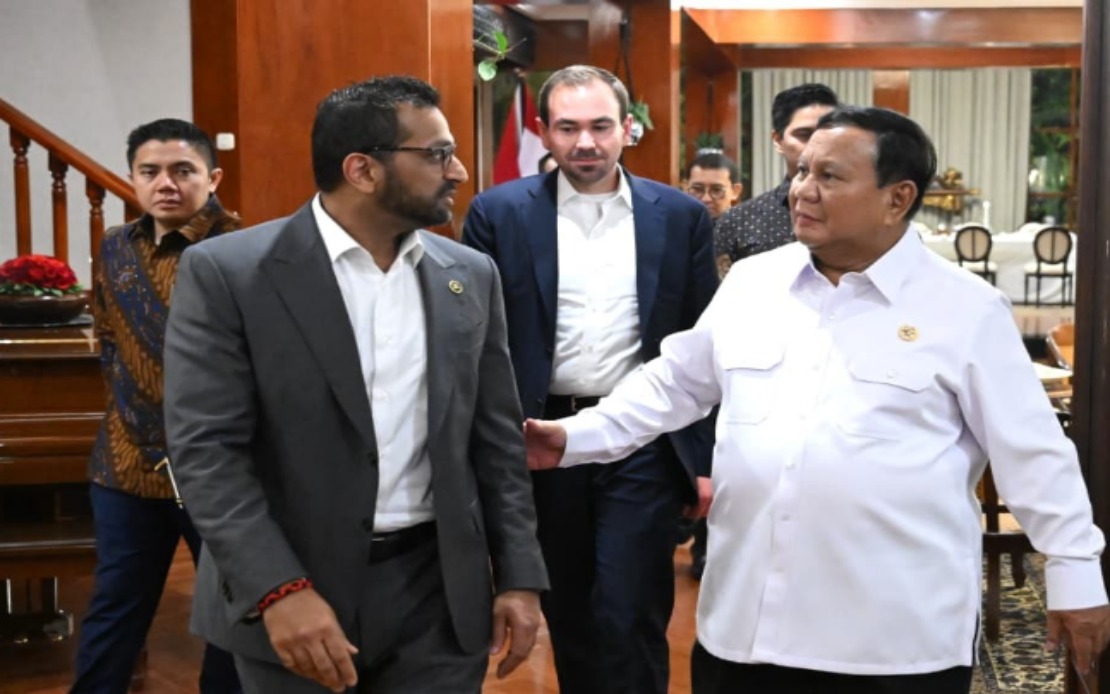
The United States Federal Bureau of Investigation has handed over a collection of Indonesian cultural artefacts that were unlawfully transferred out of the country, marking another milestone in the bilateral relationship between Washington and Jakarta on matters of cultural preservation and heritage recovery. FBI Director Kash Patel presented the returned items to President Prabowo Subianto during an official visit to Kertanegara in Jakarta on Wednesday, underscoring the personal commitment of American law enforcement leadership to addressing the transnational problem of cultural theft.
Indonesia's Culture Minister Fadli Zon highlighted the significance of the handover, positioning it as part of a broader framework of cooperation that extends beyond this single transaction. He signalled that the Indonesian government intends to leverage this partnership to intensify efforts aimed at recovering additional stolen heritage objects scattered across foreign institutions and private collections worldwide. The minister indicated that success in these endeavours would require sustained engagement across multiple government agencies, including the State Secretariat and Ministry of Foreign Affairs, suggesting that cultural repatriation has become a priority integrated into Indonesia's foreign policy apparatus.
The recovered artefacts originate from Papua, encompassing sacred and ceremonial objects belonging to the Dani and Asmat communities alongside pieces connected to populations inhabiting the Lake Sentani region. These societies possess distinctive artistic traditions shaped by centuries of development in Indonesia's eastern territories, and their cultural expressions hold profound meaning within the context of Southeast Asian Indigenous heritage. The specific provenance of these items traces them through illicit channels into American territory, where their presence violated both Indonesian law and international conventions governing the movement of cultural property.
Fadli emphasised that determining the illegal movement of these objects required meticulous research into their origins and ownership history. The provenance investigation process, which Indonesian authorities conducted in partnership with American counterparts, revealed undisputable evidence that the artefacts had been smuggled across borders without proper authorisation or documentation. This investigative approach represents a significant advancement in how countries pursue cultural restitution claims, moving beyond emotional appeals to grounds rooted in documentary evidence and scholarly analysis that satisfy international legal standards for repatriation.
The minister framed the recovery operation within Indonesia's broader strategic objective of reasserting cultural sovereignty over its heritage assets. Many developing nations have witnessed the systematic extraction of cultural materials during colonial periods and through subsequent black-market trafficking networks that flourish in the contemporary art trade. Indonesia's recovery efforts contribute to a global movement asserting that cultural objects belong in their source communities rather than in foreign museums or private collections, regardless of how they arrived there. This philosophical stance carries particular resonance across Southeast Asia, where multiple countries have launched aggressive repatriation campaigns targeting Western institutions.
Fadli referenced prior collaborative successes between the Indonesian government and the FBI, including recovery of bronze statues and materials originating from various archaeological and cultural sites throughout the archipelago. These earlier achievements established operational pathways and institutional relationships that facilitate faster processing of subsequent repatriation requests. The existence of established protocols means that future recoveries need not begin from institutional scratch, accelerating the movement of materials back to Indonesia.
The decision to house the recovered artefacts at the National Museum in Jakarta represents a calculated choice to maximise public engagement with Indonesia's heritage recovery achievements. By displaying these objects in a prominent national institution rather than confining them to academic storage or restricted-access facilities, the government enables citizens to encounter tangible evidence of cultural sovereignty restoration. Educational programming surrounding these displays can contextualise the artefacts within their original communities' traditions, simultaneously serving preservation objectives and public awareness about the ongoing challenge of cultural property theft.
The successful repatriation demonstrates that despite geopolitical tensions occasionally straining US-Indonesia relations, cooperation on cultural heritage matters benefits from sustained political will and institutional commitment. Law enforcement agencies possess investigative capabilities and international networks that archaeologists and curators cannot replicate, making them essential partners in combating sophisticated smuggling operations. The FBI's engagement in this domain reflects recognition that cultural property trafficking constitutes a serious crime warranting resources equivalent to other transnational criminal activities.
For Malaysia and other Southeast Asian nations, the Indonesian experience offers instructive lessons about pursuing repatriation claims through official diplomatic channels rather than relying exclusively on individual appeals or international shaming campaigns. The involvement of senior American law enforcement officials signals that repatriation has transcended marginal policy concerns to occupy space within strategic bilateral relationships. This elevation creates opportunities for other regional governments to embed cultural heritage recovery within their own high-level diplomatic engagements with Western powers and multilateral institutions.
The implicit message from Fadli's statements suggests Indonesia will intensify its pursuit of additional stolen objects currently held in Western collections. Digital cataloguing initiatives, international networking among source country officials, and systematic examination of museum provenance records may uncover additional items eligible for repatriation claims. As these cases accumulate and gain visibility, they establish precedents that complicate the legal position of institutions claiming legitimate ownership of contested artefacts, gradually shifting the burden of proof toward those possessing disputed objects.
The FBI's willingness to dedicate investigative resources to cultural property matters also reflects evolving American understanding of heritage recovery as integral to addressing historical injustices and supporting sustainable development in source countries. Museums and collectors increasingly face legal and ethical pressure regarding provenance transparency, creating incentives for cooperative repatriation rather than costly litigation. This institutional environment favours countries like Indonesia that pursue claims through established diplomatic and legal frameworks rather than through confrontational approaches.

