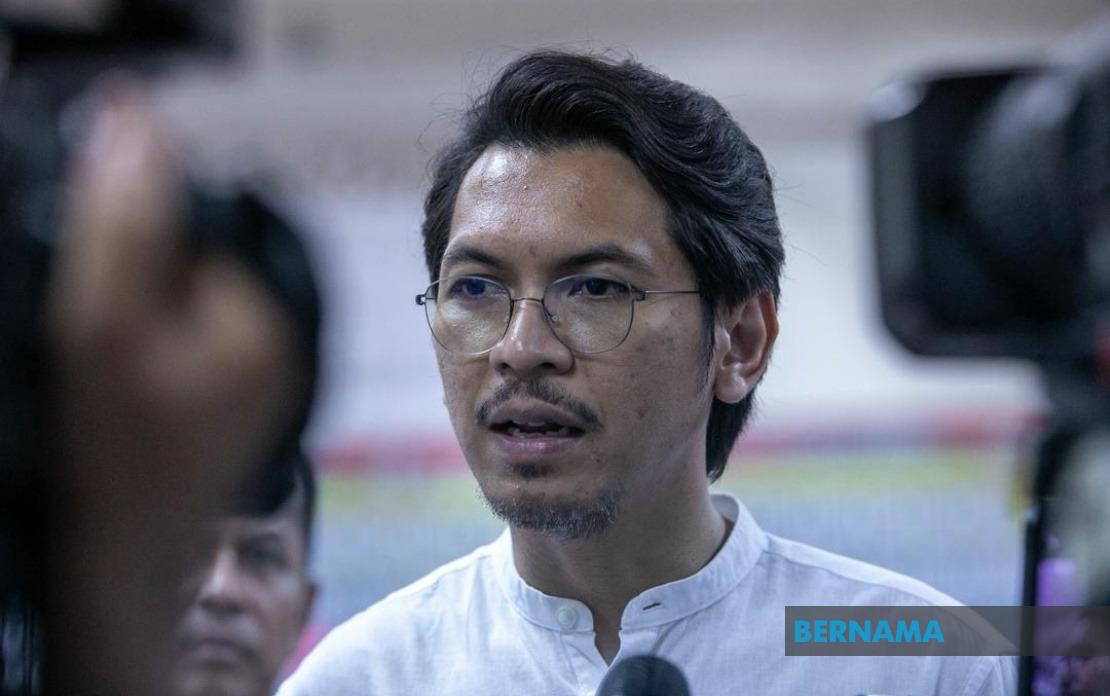
The proposed memorandum of understanding between the United States and Iran to resolve their conflict holds promise for stabilising global oil prices and alleviating supply chain disruptions that have burdened trading nations across Asia and beyond. However, the full benefit of such an accord will not materialise overnight, cautioned Muhammad Kamil Abdul Munim, Political Secretary to the Minister of Finance, during remarks in Kuala Kangsar on June 19.
The geopolitical tension between Washington and Tehran has created cascading challenges for the international oil market, particularly through restrictions affecting the Strait of Hormuz, one of the world's most critical maritime energy corridors. A settlement would theoretically permit the resumption of normal shipping lanes and restore confidence among vessel operators who have faced heightened insurance premiums and navigational risks. For Malaysia and other nations dependent on stable energy supplies, the reopening of these routes represents more than symbolic progress—it directly influences the cost structures underpinning industrial production and consumer prices.
Yet Kamil emphasised that achieving meaningful price stability requires patience and realistic expectations about the timeline for adjustment. The underlying reason lies not simply in restoring oil output, but in unwinding the accumulated surcharges and logistical inefficiencies that have accumulated throughout the crisis period. Shipping companies, insurers, and traders have incorporated substantial risk premiums into their operations; these do not disappear instantaneously when geopolitical tensions ease. The additional expenses absorbed across transportation, insurance, and supply chain management must gradually recalibrate as conditions normalise.
Prime Minister Datuk Seri Anwar Ibrahim signalled optimism regarding the negotiations, noting that the framework envisages a final bilateral agreement within 60 days. This timeline provides a crucial benchmark for assessing whether the momentum toward resolution will translate into concrete outcomes. The Malaysian government's cautious welcome reflects both genuine hope for market stabilisation and sober acknowledgement that international oil dynamics involve numerous variables beyond any single diplomatic achievement.
To insulate Malaysian consumers from volatile energy markets whilst awaiting resolution of the geopolitical standoff, the government has sustained its subsidised pricing structure for RON95 petrol at RM1.99 per litre—a policy that contrasts sharply with subsidy reductions undertaken by many regional peers facing comparable pressures. This intervention requires sustained fiscal commitment and reflects the administration's determination to protect household purchasing power during an uncertain period. The decision underscores recognition that energy affordability remains central to political stability and social cohesion in a developing economy.
Regarding the BUDI MADANI RON95 subsidy initiative, which allocates 200 litres monthly per eligible participant, Kamil indicated the government would reassess implementation parameters before adjusting quota allocations. This measured approach acknowledges that subsidy architecture must remain responsive to evolving market conditions without creating permanent distortions or rendering the programme fiscally unsustainable. The explicit four to six-month timeframe mentioned for closely monitoring cost pressures provides the public with transparency about official planning horizons and contingency considerations.
The Economic Action Council will serve as the coordinating mechanism for any policy adjustments warranted by developments in international oil markets. This institutional structure embeds regular review cycles into governance, preventing ad-hoc decision-making whilst maintaining flexibility to respond to changed circumstances. For Malaysian business and households dependent on predictable energy costs, knowledge that systematic oversight exists provides some reassurance even amid global volatility.
Complementing this energy security approach, Anwar's planned official visit to Russia represents a strategic diversification of Malaysia's resource partnerships and trading relationships. Kamil characterised this engagement as essential for a small trading nation seeking to strengthen bilateral cooperation across trade, diplomacy, and energy sectors. Russia possesses substantial economic capabilities and resource endowments that could offer Malaysian enterprises alternative sourcing arrangements and investment pathways, reducing dependency on any single energy supplier or geopolitical axis.
The energy diversification imperative reflects realistic assessment of Malaysia's vulnerabilities as a mid-sized economy operating within volatile global markets. Strengthening ties with Russia across energy and trade dimensions provides additional optionality for Malaysian policymakers and corporate entities navigating both immediate supply-chain challenges and longer-term structural shifts in global energy architecture. Such partnerships acquire particular significance given ongoing transition pressures associated with decarbonisation and renewable energy adoption worldwide.
For Southeast Asia more broadly, any US-Iran rapprochement carries substantial implications beyond energy pricing. The region's trading economies rely heavily on stable maritime commerce through sensitive chokepoints; reduced geopolitical tensions in the Middle East improve conditions for merchants and shipping enterprises throughout the region. Malaysian ports and logistics hubs stand to benefit from normalised global trade flows, though the pace of that recovery depends on how comprehensively the peace agreement actually constrains future tensions.
The Malaysian government's public statements on this issue reflect careful calibration between optimism about diplomatic progress and realistic acknowledgement of implementation risks. Officials have avoided overcommitting to specific price projections or timelines, instead emphasising government readiness to monitor developments and adjust policy tools as circumstances warrant. This approach balances transparent communication with appropriate humility regarding forecasting abilities in inherently uncertain geopolitical contexts.

