The United States and Jamaica have inked a fresh military and strategic cooperation accord, marking an intensification of joint efforts to dismantle narco-terrorism networks operating throughout the Caribbean and broader Western Hemisphere. US Southern Command announced the agreement, which represents a continuation of security partnerships forged over decades between Washington and Kingston.
General Francis L. Donovan, commanding officer of SOUTHCOM, characterized the pact as a consolidation of long-standing defence ties aimed at confronting the escalating threat posed by powerful drug syndicates. The commander emphasised that the partnership leverages established cooperation frameworks to mount a more coordinated and comprehensive assault against trafficking organizations that destabilize the region.
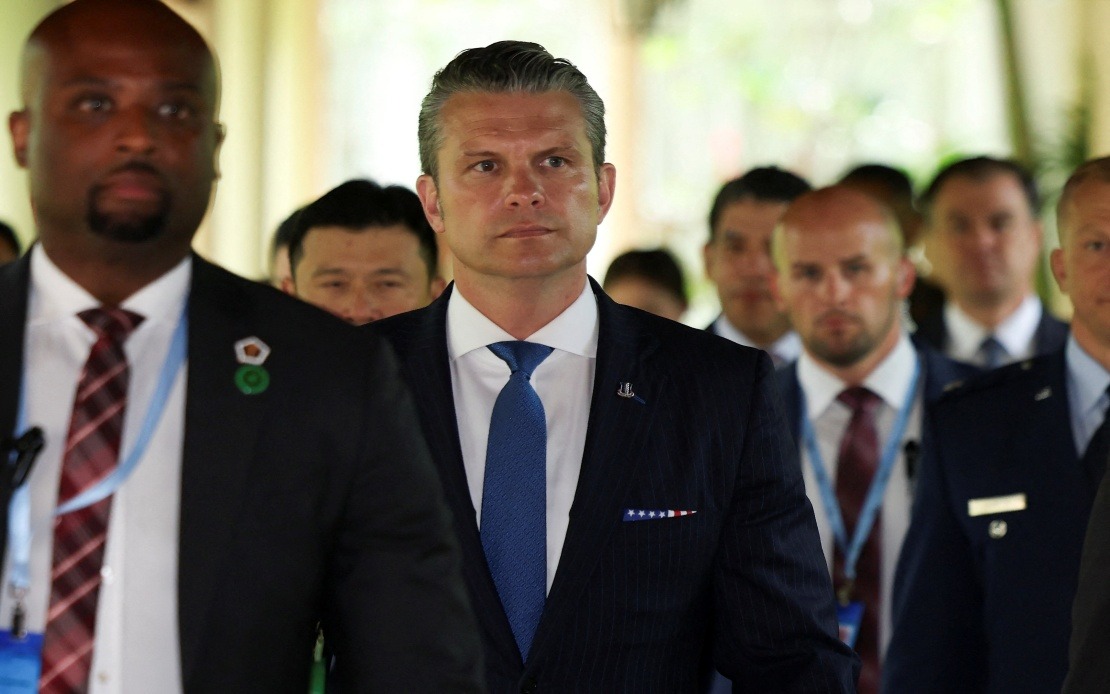
The agreement traces its roots to discussions held in Panama during August at the A3C anti-cartel forum, where US Defence Secretary Pete Hegseth engaged directly with Jamaica's Deputy Prime Minister and Minister of National Security Horace Chang. These high-level diplomatic exchanges reflected growing recognition among regional partners that the drug trafficking crisis demands a more unified, militarized response across borders and jurisdictions.
The timing of this accord comes amid accelerated American military interventions in the region. In November, the Pentagon announced Operation Southern Spear, a dedicated offensive targeting major drug-trafficking organizations operating throughout Latin America and the Caribbean. This operation represents a significant escalation in direct military engagement, moving beyond traditional law enforcement and intelligence cooperation toward active kinetic strikes against suspected smuggling networks.
Operational tempo has surged considerably since Operation Southern Spear commenced. According to SOUTHCOM data, American military forces have conducted at least 67 strikes against vessels suspected of drug smuggling since September 2025, spanning operations across both the Caribbean and Pacific Ocean waters. The intensity of these operations reflects the strategic priority assigned to narcotics interdiction by the Trump administration's defence establishment.
The human toll of these military operations has been substantial. SOUTHCOM reports that the 67 strikes have resulted in 221 fatalities among suspected drug smugglers and associated personnel. This casualty figure underscores the violent nature of contemporary counter-narcotics operations and raises significant questions about rules of engagement, civilian distinction, and proportionality in military strikes targeting maritime targets.
For Malaysia and broader Southeast Asian nations, the US-Jamaica accord carries important implications. The American military's expanding role in Western Hemisphere drug interdiction mirrors comparable approaches that could be extended to the Indo-Pacific region, where maritime drug trafficking networks similarly threaten stability. Malaysia, as a key transit point for synthetic drugs and a nation with substantial coastlines vulnerable to smuggling, faces potential pressure to accommodate greater US military presence or adopt comparable kinetic counter-narcotics strategies.
The Jamaica partnership also signals broader American strategic objectives regarding hemispheric dominance and military infrastructure positioning. As Washington pursues multi-spectrum competition with China and Russia, deepening military ties with Caribbean nations serves both counter-narcotics and geopolitical purposes. For Southeast Asia, this represents a template for how the United States might deepen security commitments with regional partners while simultaneously advancing larger strategic goals.
Domestic political considerations within Jamaica itself merit examination. The government of Jamaica has faced persistent criticism regarding violent crime rates and gang-related killings within Port Royal and Kingston. A militarized partnership with the United States offers political benefits by demonstrating decisive action against trafficking, though it may also intensify security force operations that some civil society groups view with concern regarding due process and human rights protections.
The practical mechanics of the Jamaica-US agreement remain partially opaque. The accord likely encompasses intelligence sharing, joint training exercises, combined operational planning, and potentially direct participation by Jamaican defence forces in American-led maritime interdiction missions. Such arrangements typically include provisions for equipment provision, capacity-building, and coordination frameworks that extend beyond traditional military cooperation.
Regional context highlights why this moment marks a significant pivot. Caribbean economies remain vulnerable to disruption from drug trafficking networks, which fuel corruption, violence, and institutional erosion. Jamaica specifically confronts sustained pressure from powerful criminal organizations whose operations undermine state authority in certain jurisdictions. American military support offers capabilities—surveillance technology, advanced vessels, weapons systems—that Jamaican defence forces cannot independently procure.
Looking forward, the trajectory suggests continued militarization of American counter-narcotics strategy globally. Southeast Asian governments should carefully monitor how the Jamaica model develops and consider implications for their own sovereignty, particularly regarding scope and duration of American military involvement in territorial waters and airspace. The balance between accepting external security assistance and maintaining operational autonomy represents a persistent challenge for smaller nations confronting transnational criminal threats.

