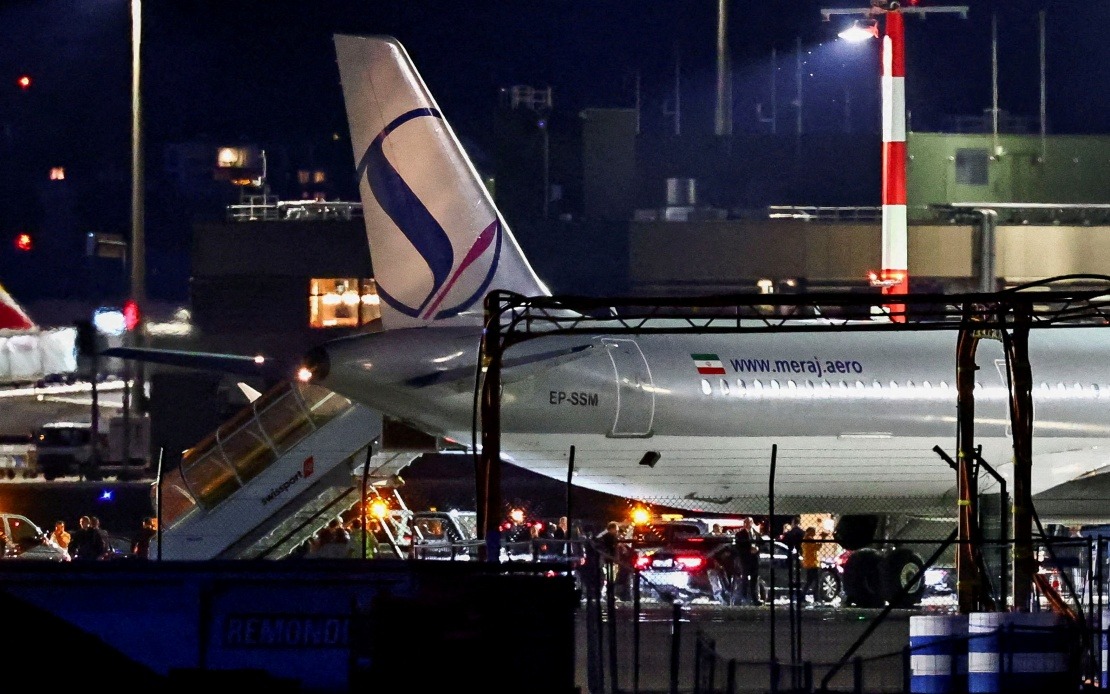
High-level delegations representing the United States and Iran have convened in Burgenstock, Switzerland, to undertake detailed technical negotiations following the signing of the Islamabad Memorandum of Understanding earlier this week. The talks represent a significant diplomatic development in efforts to bring lasting stability to a region that has endured sustained conflict since February, when military operations commenced against Iranian interests in West Asia.
US Vice President JD Vance is leading the American contingent at the negotiations, while Iran's delegation is headed by Parliament Speaker Mohammad Bagher Ghalibaf and Foreign Minister Abbas Araghchi. Pakistan, which brokered the agreement, has facilitated the talks, with Prime Minister Muhammad Shehbaz Sharif and Chief of Army Staff Field Marshal Syed Asim Munir expected to mediate discussions between the two delegations. This multilateral involvement underscores the complex regional dynamics and the international effort required to sustain peace in a strategically vital area.
Preparations for these talks have already begun, with US envoys Jared Kushner and Steve Witkoff arriving on the ground ahead of the main delegation to address the operational and technical details of the agreement. Vice President Vance expressed confidence that Washington and Tehran could preserve the ceasefire provisions established through the Islamabad Memorandum, signalling optimism from the American side about the prospects for implementing the accord. The emphasis on technical implementation reflects an understanding that translating political agreements into practical arrangements requires detailed coordination across numerous military, diplomatic, and administrative channels.
The timing of these negotiations carries significant weight for regional stability. The conflict that prompted these peace efforts resulted in substantial casualties and displacement across West Asia, with particular concern regarding impacts on civilian populations. Iran's delegation arrived in Switzerland through Zurich, while the American team touched down at Emmen Air Base north of Burgenstock on Sunday morning. The careful logistics surrounding the delegations' movements reflect both the diplomatic sensitivity of these talks and security considerations surrounding such high-level negotiations.
Upon arrival, Ghalibaf posted a statement addressing the constituencies he represents, expressing commitment to honouring those affected by the conflict. His reference to events in Minab, where over 160 casualties were recorded following a strike on a girls' primary school on February 28, underscores the human cost that has driven the push toward ceasefire negotiations. Such symbolic gestures from senior officials carry weight in demonstrating to domestic audiences that peace discussions genuinely account for sacrifices made during the conflict.
A particularly important addition to the negotiating agenda is an emergency discussion on the Israel-Hezbollah situation in Lebanon, which will be addressed on the opening day of talks. This expansion of the agenda reflects recognition that the conflict encompasses multiple fronts and actors across the region. Israeli military operations in Lebanon since March 2 have resulted in a substantial humanitarian toll, with official figures documenting over 4,000 deaths, nearly 12,000 injured, and displacement affecting more than one million residents. The recent Israeli military campaign has involved significant territorial advances into southern Lebanese territory, with forces penetrating more than ten kilometres beyond established positions.
The Lebanon situation presents particular complexity, as neither Israel nor Hezbollah is represented at the Burgenstock negotiations, though the Lebanese government is similarly absent from direct participation. This arrangement reflects the challenging diplomatic reality that sustainable regional agreements often require negotiation among parties that control some but not all relevant variables. The inclusion of Lebanon-Israel discussions suggests that negotiators recognize addressing this dimension is essential to creating stable conditions across West Asia.
The Islamabad Memorandum, formally signed electronically by US President Donald Trump and Iranian President Masoud Pezeshkian on Wednesday, provides the foundational framework for these technical discussions. The memorandum's primary objectives centre on terminating the broader conflict and reopening the Strait of Hormuz, the strategically critical waterway through which substantial global energy flows transit. Ensuring freedom of navigation through this chokepoint carries implications extending well beyond regional interests, affecting energy security for markets worldwide, including Asian economies heavily dependent on Middle Eastern petroleum supplies.
For Southeast Asian observers and policymakers, these developments warrant careful attention. Regional stability in West Asia directly influences energy prices, maritime security, and the broader geopolitical environment affecting Asian economies. Malaysia, as a maritime nation with significant trade dependencies, maintains strategic interests in the stability of major shipping routes and the broader predictability of regional governance. The success or failure of these technical negotiations may shape energy costs, insurance premiums for regional shipping, and the security of trade corridors upon which the Southeast Asian economy depends.
The focus on technical implementation represents an important phase in cementing the ceasefire agreement into practical arrangements. Technical talks typically address mechanisms for verification, compliance monitoring, timeline implementation, and resolution procedures when disagreements arise. The presence of experienced negotiators like Kushner and Witkoff, known for their involvement in previous diplomatic efforts, suggests that American negotiators approach these discussions with strategies refined through prior experiences. Similarly, the seniority of Iran's delegation indicates Tehran's commitment to ensuring its interests and red lines are protected throughout implementation.
Success in these Burgenstock discussions will require both delegations to move beyond establishing ceasefire frameworks toward creating sustainable institutional arrangements that can persist beyond the current political moment. This involves technical specifications regarding military deployments, inspection regimes, communication channels, and dispute resolution mechanisms. The multilateral nature of negotiations, with Pakistani mediation, provides additional layers of diplomatic complexity but also creates stakeholders invested in ensuring these arrangements function effectively over time.
The weeks ahead will likely determine whether the Islamabad Memorandum represents a genuine turning point toward sustained regional stability or a temporary pause in ongoing regional tensions. The technical negotiations unfolding in Switzerland will establish whether the political will evident in the memorandum's signing can translate into durable mechanisms for maintaining peace. For Asia-Pacific observers monitoring regional developments, these discussions represent a critical test of whether major powers and regional actors can construct frameworks capable of constraining conflict and establishing predictable patterns of state behaviour in strategically significant regions.

