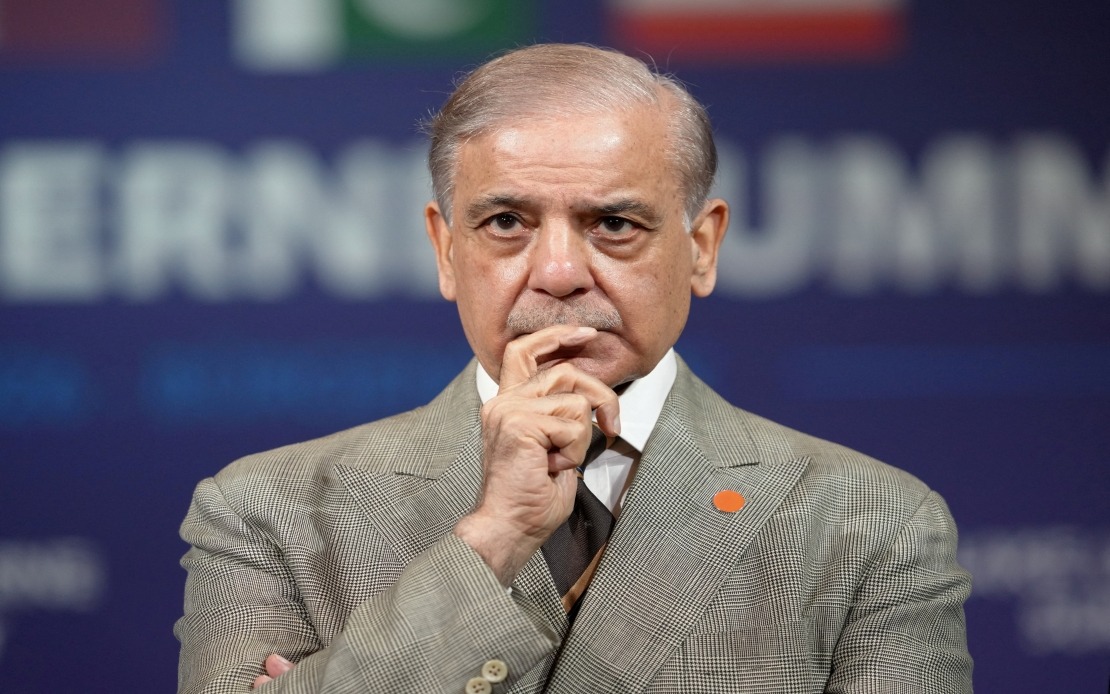
Pakistan's Prime Minister Shehbaz Sharif has unveiled an ambitious timeline for renewed diplomatic engagement between the United States and Iran, signalling that both nations have committed to intensive negotiations spanning the next two months. Speaking during a parliamentary address in Karachi on Tuesday, Sharif indicated that technical-level talks will focus on three interconnected issues: Iran's nuclear programme, the country's frozen international assets, and its ballistic missile capabilities. The announcement follows what Pakistani officials are characterising as a breakthrough during negotiations held in Burgenstock, Switzerland, earlier this week, where both sides reportedly achieved consensus on several procedural mechanisms designed to facilitate progress toward a comprehensive settlement.
The foundation for these renewed discussions rests on the Islamabad Memorandum of Understanding, which Washington and Tehran formally signed on June 17. Pakistan's pivotal role as a mediator, alongside Qatar, has positioned the South Asian nation as a crucial facilitator in what many observers view as a critical moment for regional stability. During his address to lawmakers, Sharif expressed optimism that the memorandum would crystallise into a durable, long-term agreement within the 60-day window, suggesting that both parties have signalled genuine willingness to bridge their fundamental differences on multiple fronts.
The nuclear dimension remains the most contentious element of these negotiations, particularly given the historical context of failed diplomatic initiatives and the recent military escalations that have heightened regional tensions. Iran's Foreign Ministry, however, sought to temper expectations by issuing a statement dismissing reports that Tehran's missile programme featured prominently in the Swiss discussions. Foreign Ministry spokesman Esmaeil Baghaei explicitly clarified that ballistic missile capabilities have never formed part of substantive negotiations with the American side, indicating that Tehran may resist any attempt to link its defence capabilities to broader nuclear arrangements. This position signals potential friction points that negotiators will need to navigate carefully during the forthcoming technical talks.
The question of International Atomic Energy Agency access to Iranian nuclear installations represents another area where positions appear hardened. Iran's Foreign Ministry has categorically rejected proposals that would grant IAEA inspectors unfettered access to nuclear facilities that were targeted during recent military operations. Baghaei's statement underscored Tehran's determination to protect what it views as sovereign prerogatives, even as it participates in broader diplomatic frameworks. This stance reflects deep concerns within Iranian decision-making circles about security vulnerabilities that could arise from enhanced international monitoring of sensitive installations, particularly in light of reported Israeli and American military strikes against Iranian infrastructure.
The frozen assets component of these negotiations carries substantial economic implications for Iran, whose banking system and international trade relationships have been severely constrained by successive rounds of sanctions imposed over the past decade and a half. The accumulation of Iranian funds held in foreign accounts—estimates suggest figures in the tens of billions of dollars—represents a critical leverage point in these discussions. American willingness to discuss the unfreezing of such assets signals potential flexibility on its side, though any agreement would likely require reciprocal Iranian concessions on nuclear transparency and monitoring mechanisms. For Pakistan, successful resolution of this dimension could strengthen regional economic ties and reduce cross-border tensions that have periodically destabilised South Asian security.
The role of Pakistan and Qatar as mediators warrants particular attention given the diplomatic complexities involved. Pakistan's involvement carries historical weight, as Islamabad has maintained strategic relationships with both Washington and Tehran despite their adversarial positioning. The appointment of Qatar as co-mediator reflects the Gulf state's growing influence as a neutral broker in Middle Eastern disputes, particularly following its recent rapprochement with several regional actors. The joint mediation framework suggests a sophisticated diplomatic architecture designed to prevent either side from feeling pressured or isolated during the negotiation process.
Regional observers in Southeast Asia and beyond have closely monitored these developments because they directly affect global energy markets, maritime security in the Strait of Hormuz, and the broader balance of power in West Asia. Malaysia and other ASEAN nations depend significantly on oil supplies passing through these strategic waters, making the stability of US-Iran relations a matter of direct economic concern. Any escalation in tensions or military confrontation would inevitably disrupt global supply chains and elevate energy costs across the region, thereby impacting inflation rates and economic growth trajectories throughout Southeast Asia.
The 60-day timeframe established by Sharif suggests that both Washington and Tehran view the current diplomatic window as time-sensitive. This urgency may reflect calculations on either side that prolonged negotiations could lead to political changes or shifts in strategic circumstances that would make agreement less likely. Domestically, Iran faces economic pressures resulting from sanctions, while the United States may be motivated by concerns about further regional escalation or the proliferation of advanced military technologies. The compressed timeline also indicates that negotiators have moved beyond foundational discussions and are now engaging substantive issues where compromise becomes possible.
However, significant obstacles remain embedded in the negotiating framework. The question of ballistic missiles, despite Iran's insistence that it has not been discussed, seems likely to resurface given American concerns about Tehran's capacity to deliver nuclear weapons. Iran's refusal to grant IAEA access to certain facilities suggests it may be unwilling to accept inspection regimes that Washington deems adequate. These divergences indicate that the next 60 days will test the sincerity of both parties' commitment to finding middle ground and will require creative diplomatic solutions that allow each side to maintain its core positions while making sufficient concessions to enable an overall settlement.
The success or failure of these negotiations will reverberate throughout Asia and beyond. A durable agreement could reduce regional tensions, stabilise global energy markets, and create opportunities for economic cooperation across the Middle East and South Asia. Conversely, if negotiations collapse, the risk of renewed military confrontation would increase substantially, with potentially severe consequences for global stability and economic prosperity. Pakistan's diplomatic efforts, reflected in its mediation role, underscore the recognition that Pakistan, despite its own internal challenges, retains strategic relevance in facilitating dialogue between major powers with conflicting interests.

