Legion, a US-based litigation-technology company that develops software tools for attorneys, has filed a federal lawsuit challenging export controls imposed on Anthropic's most sophisticated artificial intelligence models. The suit, lodged on June 23 in Washington federal court, represents an emerging flashpoint in the tension between national security interests and the operational realities of technology companies operating in an increasingly globalised sector. At stake is whether American firms dependent on cutting-edge AI can sustain their competitive position when access to those systems is abruptly curtailed by government decree.
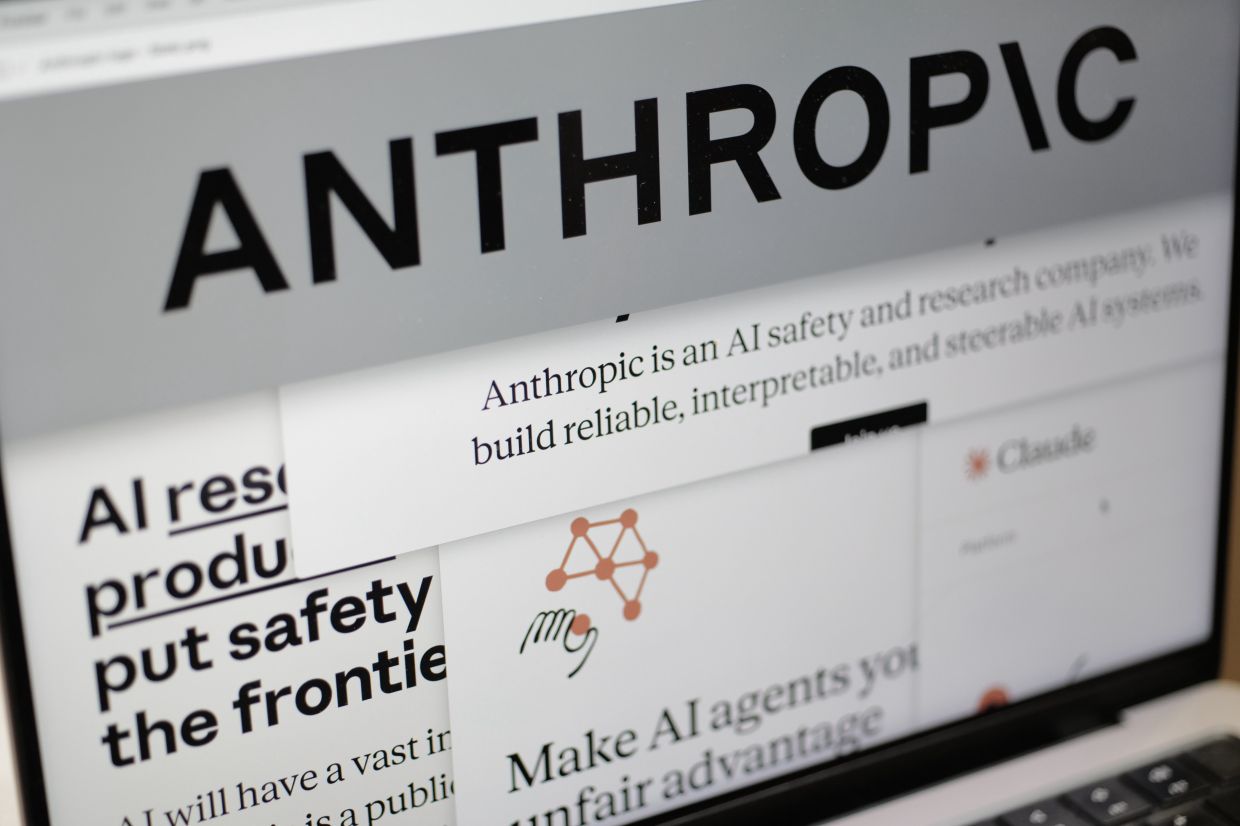
The dispute centres on Anthropic's decision to disable access to its most powerful models—Fable 5 and Mythos 5—following a directive from the Trump administration restricting the distribution of advanced artificial intelligence technology to foreign nationals. Though Legion maintains headquarters in the United States, its software development workforce includes Canadian nationals employed remotely from Canada. Under the new export control regime, this international composition of its engineering team rendered the company ineligible to access Anthropic's latest technology offerings, instantly severing Legion's connection to tools central to its product development strategy.
The timing of the access cutoff proved particularly damaging. Legion asserts in its legal filing that the removal of Fable 5 represents not merely a temporary inconvenience but an existential threat to the company's operations and market position. The claim rests on a fundamental characteristic of the artificial intelligence sector: the speed at which technological capabilities evolve and competitive advantages consolidate. In an industry where advancement moves in months rather than years, being locked out of the frontier technology available to competitors creates a gap that cannot easily be recovered once access is restored. The company argues it faces immediate and irreparable harm that transcends the temporary nature of most government restrictions.
Commerce Secretary Howard Lutnick had previously warned Anthropic Chief Executive Dario Amodei in writing that the company would need explicit government authorisation before exporting Fable 5 and Mythos 5 models internationally or making them available to foreign nationals regardless of location. This directive, framed as essential to protecting critical infrastructure and maintaining American technological superiority, has created significant operational complications for companies whose workforces or client bases cross national boundaries. The requirement for government permission transforms what were previously routine business decisions into matters requiring regulatory approval, introducing uncertainty and delay into technology deployment.
In its court filing, Legion emphasises the cascading consequences of the model denial. Beyond the immediate loss of development capability, the company contends that each day the export control remains active disrupts its product roadmap, sidelines skilled engineers from productive work, and steadily erodes its ability to compete in a field where continuous access to state-of-the-art systems is not a luxury but a prerequisite for survival. The litigation technology sector, while specialised, operates under the same competitive pressures as broader artificial intelligence development. Firms that fall behind in adopting and integrating the latest model capabilities face diminished competitive prospects and potential market share loss to better-equipped rivals.
Anthropicresponded to the litigation by expressing gratitude toward the administration and emphasising its commitment to working cooperatively with government agencies to resolve the situation expeditiously. A company spokesperson stated that Anthropic remains dedicated to collaborating with authorities toward shared objectives of protecting critical infrastructure while ensuring American leadership in artificial intelligence development. This carefully worded response suggests Anthropic's preference for negotiated resolution over protracted litigation, and indicates the company views the export controls as ultimately serving legitimate national interests even as they create operational challenges for customers.
The case highlights a fundamental tension in contemporary technology policy: how democracies can simultaneously pursue legitimate security objectives and maintain the operational flexibility that innovative industries require to thrive. Export controls designed to prevent hostile nations from accessing advanced AI capabilities inevitably affect American companies with international workforces or supply chains. The challenge for policymakers lies in calibrating restrictions narrowly enough to minimise collateral damage to allied nations' firms and the American companies reliant on global talent and collaboration.
For Malaysian and Southeast Asian technology sectors, this dispute carries important implications. The region hosts significant technology talent and numerous firms with international employment structures similar to Legion's. If American export controls on AI models extend to restrict access by foreign nationals working for American or allied companies, it could disrupt technology development across the region and discourage investment in AI capabilities. The case may influence how other regional technology companies assess their exposure to American regulatory decisions and whether they should diversify their reliance on US-based AI platforms.
The litigation also reflects broader anxieties within the technology industry about the intersection of geopolitical competition and commercial innovation. While strategic concerns about advanced AI warrant serious consideration, the practical implementation of export controls risks creating inefficiencies and friction that ultimately harm the competitiveness of the American technology sector itself. Companies facing unpredictable restrictions on their operations may relocate operations, shift investment toward non-American alternatives, or reduce their reliance on American technology infrastructure—outcomes that could undermine the very technological leadership that export controls purport to protect.

