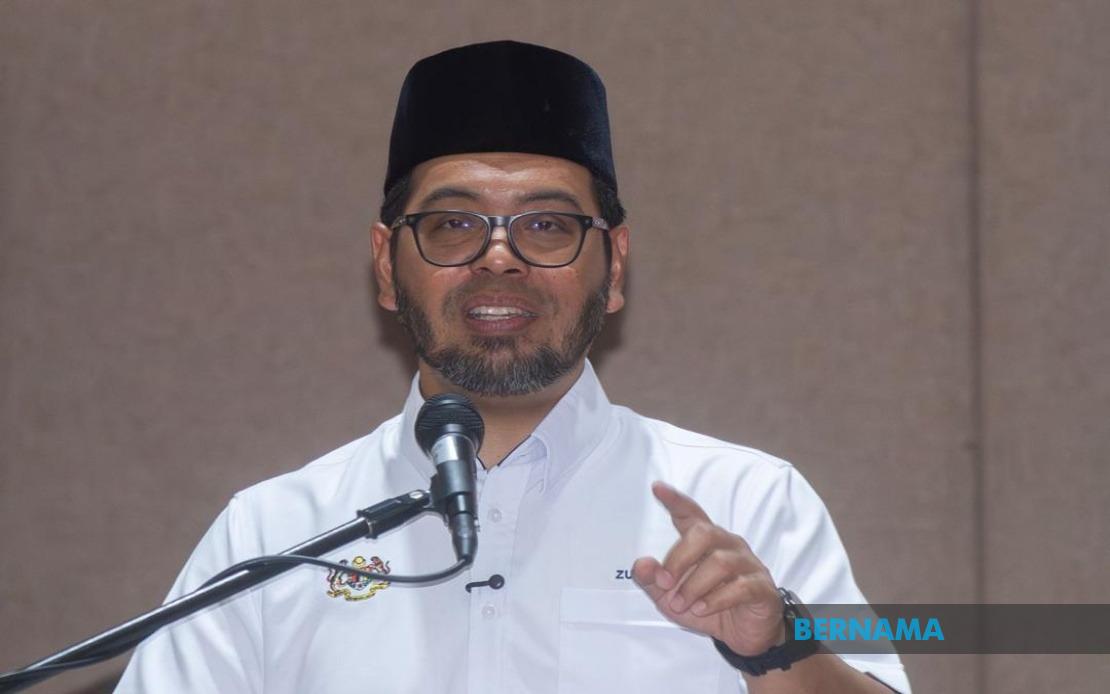
Malaysia's Religious Affairs Minister Dr Zulkifli Hasan has sounded a strong alarm about the cascade of problems stemming from unregistered marriages, particularly the vulnerability of children whose parents fail to formalise their union under Islamic law. Speaking during the launch of the 2026 Federal Territories Syariah Law Literacy Programme in Labuan, Dr Zulkifli emphasised that the consequences of marriage non-registration extend far beyond administrative inconvenience, affecting fundamental rights and long-term family stability. His remarks come as authorities recognise a persistent problem within Malaysian communities where couples continue living as husband and wife for extended periods—sometimes spanning decades—without completing the mandatory registration process required under the Islamic Family Law (Federal Territories) Act 1984.
The practical difficulties facing children born to unregistered couples represent perhaps the most tangible harm, creating immediate obstacles to essential services and recognition. Children in such situations struggle to obtain birth certificates, a foundational document necessary for school enrollment and accessing healthcare services. The absence of official recognition leaves these children in a precarious position regarding their legal identity and citizenship status, potentially creating lifelong complications that compound as they mature. Educational institutions may refuse enrollment without proper documentation, while healthcare providers face complications in delivering treatment when family relationships lack formal documentation. These barriers essentially place innocent children at a disadvantage from birth, penalising them for their parents' administrative negligence or deliberate non-compliance.
Beyond immediate access to services, unregistered marriages create profound ambiguity regarding a child's lineage and legal standing within the family structure. Islamic law places significant emphasis on establishing clear paternity and inheritance rights, yet unregistered unions muddy these fundamental relationships. Wives find themselves equally vulnerable, lacking formal recourse to claim maintenance payments (nafkah) or post-divorce settlements ('mutaah'), leaving them economically exposed should the marriage dissolve or the husband pass away. The informal nature of the arrangement provides no legal protection for either spouse, potentially trapping spouses—particularly women—in vulnerable circumstances without institutional recourse.
The complications intensify substantially when death occurs within an unregistered marriage, transforming an already-complex situation into a source of family discord and legal paralysis. Questions of inheritance and the division of assets according to Islamic law (faraid) become extraordinarily difficult to resolve when a marriage lacks official documentation. Surviving spouses and children may discover that they possess no recognised claim to the deceased's estate, as the marriage itself remains unproven in law. These disputes can fracture families irreparably, pitting children against extended relatives in contests over property and assets that might have been resolved cleanly had the original marriage been properly registered. The emotional and financial toll extends across multiple generations, creating tensions that persist long after the original couple's lifetime.
Dr Zulkifli also drew attention to a specific compliance gap affecting couples who marry outside their designated area or through unauthorised marriage registrars who circumvent established procedures. These couples, whether through ignorance or deliberate avoidance, fail to meet the formal requirements stipulated in Act 303. Such irregular arrangements are particularly troubling because they often reflect either misconceptions about Islamic marriage requirements or attempts to evade regulatory oversight. The minister emphasised that the government's response remains fundamentally supportive rather than punitive, framing marriage registration not as bureaucratic burden but as essential protection for all parties involved.
The government has accordingly shifted toward a proactive assistance model, partnering with religious agencies and diverse stakeholders to help residents resolve outstanding marriage registration issues. During the 2026 literacy programme, interactive counters staffed by trained officers stood ready to guide couples through registration procedures and address concerns about marriage law compliance. This collaborative approach involves the Federal Territories Syariah Prosecution Department, the Labuan Member of Parliament's Office, the Federal Territories Syariah Court, and other agencies including JAWI, MAIWP, the Legal Aid Department, and the Federal Territories Mufti Department. The breadth of institutional involvement underscores the significance authorities attach to resolving this systemic issue and the complexity of reaching affected populations.
Reframing compliance with syariah law as a form of protection rather than a regulatory imposition represents a strategic communication effort aimed at encouraging voluntary registration. Dr Zulkifli stressed that marriage registration serves to officially recognise unions and safeguard the rights and interests of both spouses and their children. When understood through this lens, registration becomes a proactive step that prevents disputes and secures family futures rather than an arbitrary government mandate. This messaging appears designed to overcome potential resistance from couples who may view formal registration with suspicion or regard it as unnecessary when their commitment remains genuine and their community recognises their relationship.
For Malaysian policymakers and families alike, the minister's warnings highlight a governance challenge that disproportionately affects vulnerable populations. Children born to unregistered couples suffer concrete disadvantages in accessing fundamental services, while spouses—particularly wives—operate without legal protections that formal marriage provides. The inheritance complications that emerge upon death demonstrate how individual decisions about marriage registration cascade into broader family dysfunction and potential litigation. The emphasis on comprehensive support and non-punitive assistance suggests an official recognition that many unregistered couples may require help navigating bureaucratic requirements rather than punishment for non-compliance. Going forward, sustained public awareness campaigns and accessible registration services appear essential to reducing the prevalence of unregistered marriages and protecting vulnerable family members from preventable harm.

