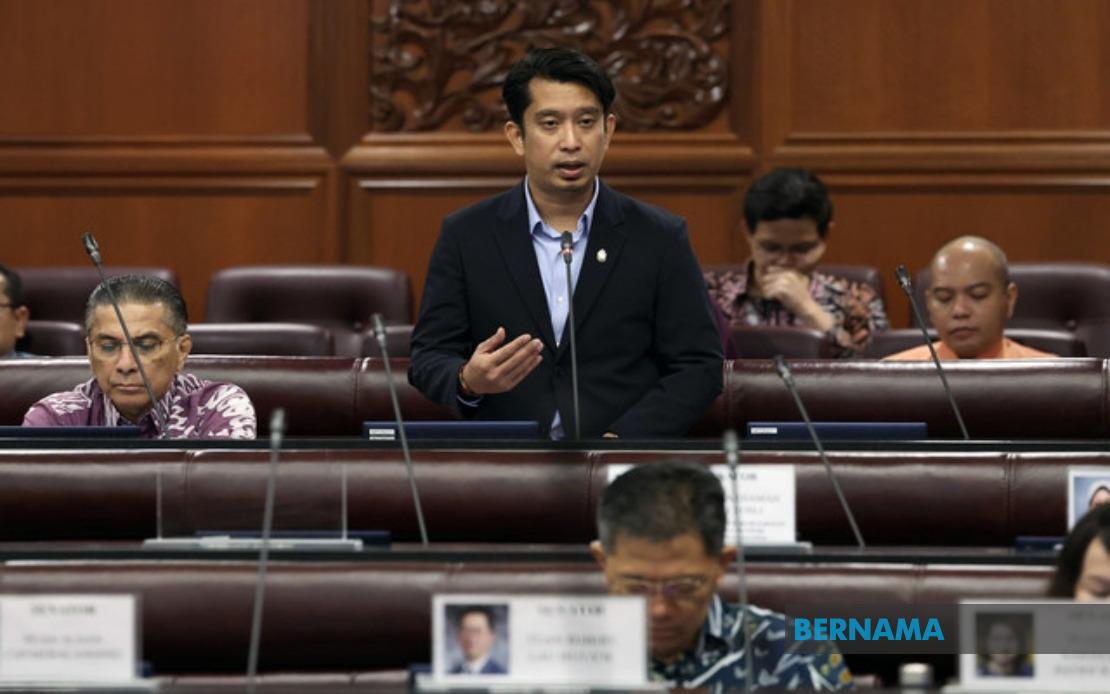
Malaysian universities have been given explicit authority to terminate internship placements and bring students back immediately whenever safety hazards come to light, according to Deputy Higher Education Minister Adam Adli Abd Halim. Speaking during parliamentary proceedings in Dewan Negara, he outlined the government's strengthened approach to protecting students undertaking mandatory industrial training, acknowledging that such preventative action can be initiated either through institutional assessment or in response to student-reported concerns that warrant swift intervention.
The minister's statement represents a direct policy response to mounting pressure following the death of a Universiti Putra Malaysia student performing maintenance duties at Saujana 1 water tower in Kuala Selangor on June 16. The incident, which claimed the life of a young engineering student, triggered renewed scrutiny of how universities vet employer organisations and supervise the placement process. Adam Adli expressed deep regret over student fatalities during industrial training and indicated that the ministry has been actively refining its monitoring frameworks and channels through which problems can be reported and acted upon.
Central to the revised approach is a requirement that universities conduct substantially more rigorous pre-placement evaluations of potential host organisations. Before approving any industrial training partnership, institutions must now examine not only an employer's safety track record but also accumulated incident reports and broader industry reputation. This marks a shift from what critics suggest was previously a more cursory vetting process, where placement decisions sometimes prioritised industry relationships over worker protection. The new standard establishes that particularly for sectors classified as high-risk—such as utilities, construction, manufacturing, and chemical processing—students can only be assigned to companies demonstrating demonstrable compliance with national safety standards and maintaining documented safety management frameworks.
Preliminary safety preparation has been designated as non-negotiable for all placement students, with those entering high-risk environments facing additional prerequisites. Students assigned to hazardous sectors must now complete and obtain certification in relevant safety training modules before commencing their internships. This requirement seeks to address a gap where some students previously lacked adequate foundational knowledge of workplace hazards specific to their assigned sectors.
Beyond pre-placement qualifications, universities must conduct comprehensive briefing sessions covering multiple critical dimensions: workplace safety protocols and health standards, hazard identification and risk assessment techniques, proper selection and use of personal protective equipment, emergency evacuation and response procedures, and formal channels for reporting unsafe conditions or incidents. These structured inductions represent a departure from informal orientation practices that may have characterised some placements previously. By standardising this content across all institutions, the ministry aims to establish baseline competency regardless of which university or employer is involved.
During the active training period, oversight mechanisms have been strengthened through dual supervision structures. Both academic supervisors appointed by universities and industry mentors from host organisations are now required to maintain regular contact with students through a combination of site visits, physical inspections where appropriate, virtual check-ins, and systematic review of progress documentation. This layered monitoring approach creates redundancy in the system—if one supervisor misses warning signs, the other should identify concerns. Communication frequency expectations have been specified to prevent situations where weeks pass without meaningful contact between students and their institutional monitors.
The government has also ensured financial protection for students who do encounter accidents or injuries during placements. All industrial training participants are automatically enrolled under the University Group Insurance Scheme, which provides coverage for medical expenses, rehabilitation costs, and compensation should they suffer harm during their assigned training periods. While insurance cannot prevent accidents, it ensures that injured students and their families are not burdened with catastrophic medical or financial consequences resulting from workplace incidents.
These policy adjustments carry particular significance for Southeast Asian education systems grappling with similar challenges. Malaysia's approach—establishing clear institutional authority to withdraw placements, mandating pre-placement safety vetting, requiring student safety certification in high-risk sectors, and formalising supervisory protocols—provides a framework that other regional countries may consider adopting. The emphasis on documentation and structured oversight also creates accountability mechanisms that can be audited by education authorities.
For Malaysian students themselves, the changes represent acknowledgment that industrial training, while educationally valuable and often industry-required, must not come at the cost of physical wellbeing. Many Malaysian undergraduates regard their internship placements as crucial stepping stones toward employment, sometimes accepting questionable safety conditions rather than jeopardising job prospects or disappointing potential employers. By empowering universities to withdraw students without penalty and establishing clear safety baselines, the ministry addresses a power imbalance that previously disadvantaged students.
The policy framework also introduces implications for Malaysian employers who host student trainees. Companies must now maintain rigorous documented safety systems to qualify for university partnerships and will face increased institutional scrutiny. This may drive broader adoption of safety practices among smaller organisations that previously operated with minimal oversight. However, some businesses fear bureaucratic burdens and may reduce the number of interns they accept, potentially affecting student placement availability.
Longer-term effectiveness will depend heavily on implementation consistency across Malaysia's diverse higher education sector. Enforcement will require adequate resourcing for universities to conduct thorough employer vetting, assign supervisory personnel, and respond swiftly to reported concerns. The ministry's commitment to continuously refining monitoring systems suggests recognition that this remains an evolving challenge requiring ongoing adaptation and vigilance.

