Universiti Malaysia Perlis (UniMAP) is emerging as a critical talent engine for Malaysia's semiconductor ambitions, annually churning out nearly 2,000 graduates equipped with expertise in electrical engineering, electronics and semiconductor technologies. The northern university's output represents a substantial pipeline of skilled workers designed to meet immediate industry demands whilst underpinning the country's longer-term aspirations within the global semiconductor ecosystem. This production scale comes at a pivotal moment when Malaysia is positioning itself to capture greater value within the international semiconductor supply chain, an industry increasingly vital to everything from consumer electronics to artificial intelligence infrastructure.
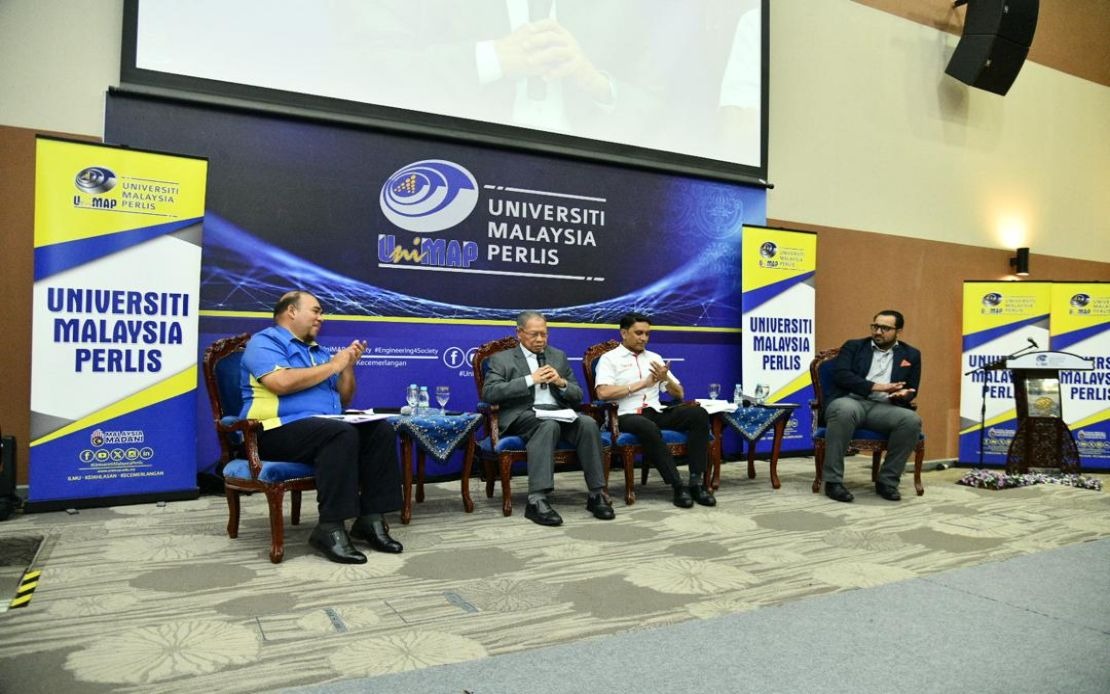
The university's commitment to this sector directly aligns with Malaysia's National Semiconductor Strategy, which has set an ambitious target of nurturing 60,000 skilled workers and engineers by the end of the current decade. Datuk Prof Dr Zaliman Sauli, UniMAP's Vice-Chancellor, outlined this strategic synchronisation during a major forum on semiconductor policy held at the campus in Arau. He emphasised that the university views itself not merely as an educational institution but as an active participant in Malaysia's transformation into a global semiconductor powerhouse, particularly for the northern regions that have historically depended on manufacturing and resource-based industries.
Data tracking graduate outcomes through 2024 and 2025 reveals that more than 30 per cent of UniMAP graduates have commenced their professional careers within the electrical and electronics sector, demonstrating tangible absorption of the institution's output by relevant industries. This employment trajectory suggests that the university's curriculum design and industry engagement strategies are resonating with employers seeking talent for contemporary technical roles. The statistic carries significance because it indicates that graduates are not merely finding work but landing positions aligned with their formal training, reducing costly retraining periods and accelerating their contribution to organisational productivity.
Semiconductors have transcended their historical role as a niche industrial component to become fundamental infrastructure for the modern global economy. These tiny silicon chips now constitute the computational backbone of consumer devices including smartphones and tablets, power artificial intelligence systems driving algorithmic decision-making, enable the electrification of vehicle fleets, and support the vast server networks underpinning cloud computing and data analytics services. Malaysia's position within this ecosystem therefore carries strategic weight extending far beyond conventional economic metrics, touching upon national technological sovereignty and participation in the digital economy that will define the 21st century.
Malaysia's standing within international semiconductor commerce has strengthened considerably, with the country now recognised as the world's sixth-largest exporter of semiconductor products. This achievement reflects decades of industrial investment and represents a significant concentration of global technological capacity within a single Southeast Asian nation. The country captures approximately seven per cent of global chip trade—a notable share for a market with intense competition from established players like Taiwan, South Korea and the United States. Within the more specialised Assembly, Testing and Packaging segment of the semiconductor value chain, Malaysia commands an even more commanding 13 per cent share, underscoring particular strength in the labour-intensive downstream operations that have historically formed the foundation of the country's semiconductor sector.
UniMAP's strategic approach to workforce development extends beyond conventional classroom instruction into a more comprehensive ecosystem of industry engagement. The university is cultivating partnerships through its Industry-on-Campus initiative, which embeds company professionals and real-world projects within the academic environment, exposing students to authentic industry challenges before graduation. Industry Advisory Panels provide ongoing guidance on curriculum relevance, ensuring that theoretical frameworks taught in lectures address contemporary technical demands and emerging industry priorities. The appointment of International Adjunct Professors brings global expertise and international best practices directly into Malaysian classrooms, whilst industry-recognised professional certification programmes offer students credentials that carry immediate credibility with employers worldwide.
The university's Vice-Chancellor articulated a conviction that Malaysia's competitive viability within global semiconductor markets depends fundamentally upon unprecedented collaboration between three institutional pillars: government agencies providing policy direction and infrastructure investment, industry players contributing technical expertise and employment opportunities, and universities like UniMAP supplying talent alongside research capabilities. This tripartite framework represents an evolution from purely market-driven development toward a more coordinated national approach that recognises semiconductors as critical infrastructure warranting strategic planning at the highest levels. Such collaboration has proven successful in countries like South Korea and Taiwan that have cultivated world-leading semiconductor ecosystems through decades of aligned government-industry-education partnerships.
The forum itself brought together influential figures from Malaysia's semiconductor ecosystem, including Datuk Seri Dr Mustapa Mohamed, who served as International Trade and Industry Minister and championed policies supportive of high-technology sectors. The Northern Corridor Implementation Authority, represented by Chief Executive Datuk Mohamad Haris Kader Sultan, manages developmental initiatives across the northern states including Perlis where UniMAP operates, and has identified semiconductor capabilities as central to regional economic transformation. Ahmed Zaki Moten, representing Micron Technology Inc Malaysia—a multinational corporation operating major manufacturing and research facilities within the country—provided industry perspective on workforce requirements and technological trends shaping global demand.
For Malaysian policymakers and economic planners, UniMAP's contribution addresses a fundamental constraint limiting regional semiconductor expansion: the availability of sufficiently skilled personnel at all technical levels. Malaysia possesses established manufacturing infrastructure, strategic geographic positioning, and increasingly sophisticated supply chain networks, yet the decisive factor determining the sector's trajectory will be whether the nation can attract and develop talent capable of performing advanced design, process innovation, and quality control functions that command premium value within the semiconductor industry. Graduating 2,000 specialists annually represents meaningful progress, though achieving the National Semiconductor Strategy's 60,000-worker target across the next five years will require proportional investment in technical education infrastructure, vocational training programmes, and incentives to retain locally-trained engineers within Malaysia rather than losing them to international opportunities.
The broader context encompasses regional competition within Southeast Asia, where countries including Vietnam, Thailand and Indonesia are similarly pursuing semiconductor sector development as a pathway toward higher-value manufacturing and technological capability. Malaysia's historical advantages in existing semiconductor operations, established special economic zones, and investments in institutions like UniMAP provide competitive positioning, yet maintaining leadership requires continuous upgrades to educational quality, research capabilities, and innovation ecosystems. The National Semiconductor Strategy represents government recognition that semiconductor sector growth cannot occur through passive attraction of foreign investment alone but demands deliberate cultivation of national technological capabilities and human capital accumulation that provide enduring competitive advantage.

