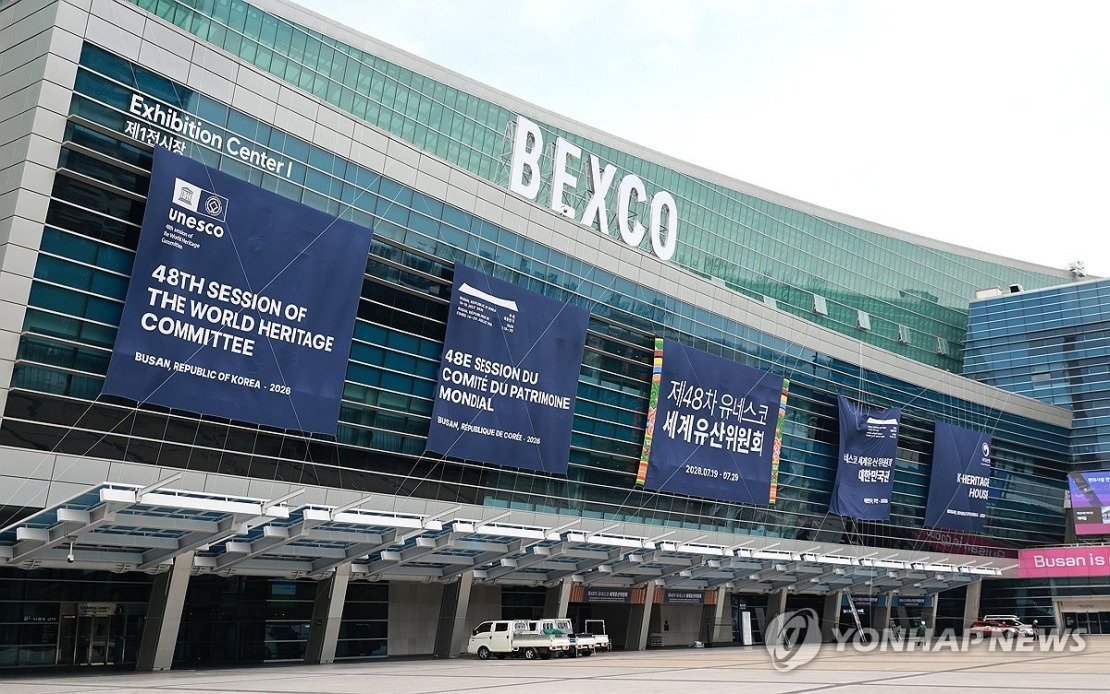
South Korea will assume the international spotlight this month as Busan opens its doors to the UNESCO World Heritage Committee's annual session, marking a watershed moment for the nation's engagement with global heritage conservation efforts. Beginning on Sunday, the port city southeast of Seoul will play host to what is expected to be a substantial gathering of international delegates, policy makers and heritage professionals converging on the Busan Exhibition and Convention Centre for a ten-day programme of negotiations, reviews and strategic discussions.
The gathering represents a significant diplomatic and cultural achievement for South Korea, which formally became a signatory to the UNESCO World Heritage Convention over three decades ago in 1988. The decision to hold this prestigious annual meeting in Busan underscores growing recognition of the country's commitment to preserving its own cultural and natural legacy while contributing meaningfully to the broader global agenda of heritage protection and sustainable development.
Participation figures underscore the magnitude of this convocation. Organisers anticipate the attendance of approximately 3,000 participants drawn from the organisation's full membership of 196 states, alongside representatives from international bodies and civil society organisations with expertise or interests in heritage matters. This scale of representation ensures that decisions made during the session will reflect the perspectives and priorities of nations across every geographic region and economic stratum, from the wealthiest industrialised nations to developing countries navigating limited resources for heritage stewardship.
Among the confirmed attendees will be senior leadership from UNESCO's central apparatus, including Director-General Khaled El-Enany, who oversees the entire organization's operations and strategic direction. Also present will be Nayef Al-Fayez, serving as Assistant Director-General for Culture, a portfolio encompassing the full breadth of UNESCO's cultural programmes and heritage initiatives. Lazare Eloundou Assomo, who directs the World Heritage Centre, will represent the technical and operational backbone of the Committee's work.
The World Heritage Committee itself functions as the paramount decision-making authority within the UNESCO system regarding the designation, monitoring and management of sites of outstanding universal value. Its annual convocation provides the formal venue through which member states formally nominate sites for inscription onto the World Heritage List, a designation that carries substantial prestige and typically generates enhanced international tourism and development interest. The Committee's decisions thus carry enormous consequences for how the world's most culturally and environmentally significant locations are recognised, protected and integrated into national and global development frameworks.
Beyond the immediate function of processing nominations, the annual session serves as a critical forum for assessing how well existing World Heritage Sites are being managed and conserved. The Committee reviews reports on the state of preservation at listed locations, identifies emerging threats from climate change, urbanisation, armed conflict or natural disaster, and coordinates international assistance and technical expertise toward threatened sites. This monitoring function has become increasingly urgent as global environmental pressures intensify and geopolitical instability expands.
The deliberations scheduled for Busan will also address fundamental policy questions concerning the Committee's own evolution and effectiveness. As the World Heritage Convention approaches its fifth decade of operation, stakeholders grapple with whether current frameworks adequately represent the diversity of global cultures and geographies, whether sufficient attention is devoted to indigenous knowledge and non-Western heritage traditions, and how the system can more effectively support developing nations in nominating and protecting sites of local significance. These conversations reflect deeper concerns about equity and access within international heritage governance structures.
For Southeast Asian nations including Malaysia, the Busan session carries particular relevance. The region hosts numerous World Heritage Sites spanning Indonesia's temple complexes and tropical rainforests, Vietnam's bay ecosystems and imperial monuments, Thailand's archaeological zones, and Malaysia's own inscribed properties. The discussions and decisions emanating from Busan will influence how these countries approach future nominations, allocate conservation resources and navigate international scrutiny of their heritage management practices. Regional delegations will also gain insights into successful conservation strategies implemented elsewhere and opportunities to forge collaborative relationships with international partners.
The timing of the session also positions it within a broader moment of reflection on how heritage frameworks interact with contemporary challenges of sustainable development and climate resilience. Many heritage sites face existential threats from rising sea levels, changing precipitation patterns and escalating extreme weather events. The Committee's deliberations will necessarily grapple with how to preserve sites while acknowledging that some locations may require managed adaptation rather than preservation in static form.
South Korea's role as host carries symbolic weight beyond logistics. The nation has itself navigated the complex task of preserving heritage amid rapid industrialisation and modernisation, and the hosting of this session signals its willingness to share experiences and engage substantively with the international heritage community. For Busan specifically, the selection represents recognition as a city capable of hosting major international gatherings and as a site worthy of hosting conversations about humanity's shared cultural and natural patrimony.

