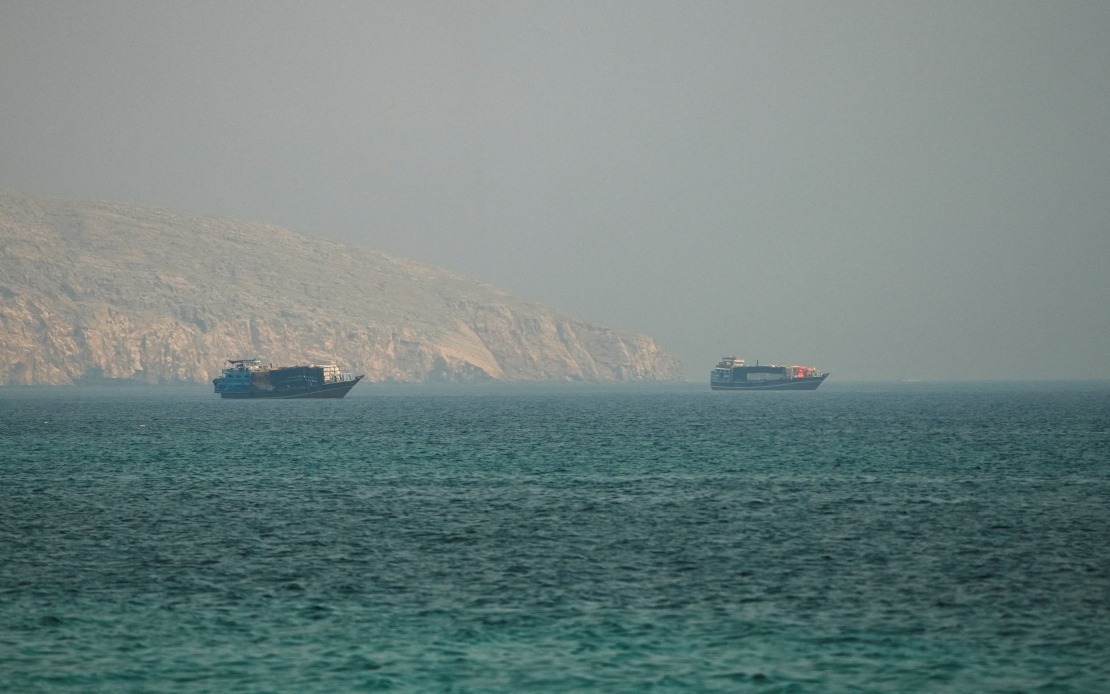
The United Nations Secretary-General António Guterres has issued an urgent appeal for an immediate cessation of hostilities in the Persian Gulf, expressing deep alarm over the rapidly deteriorating security situation that threatens both regional stability and global economic interests. Speaking through his office in Istanbul on Sunday, Guterres called for both Tehran and Washington to abandon the path of military confrontation and instead prioritize diplomatic channels to resolve their mounting disputes. The statement represents a significant escalation in UN concern regarding the geopolitical tensions that have increasingly defined the Gulf region in recent months.
According to Guterres' spokesperson Stephane Dujarric, the UN chief is troubled by the pattern of recent military incidents, encompassing Iranian attacks on commercial vessels navigating the strategically vital Strait of Hormuz, retaliatory American military strikes against Iranian targets, and Iranian military operations directed at facilities in neighboring states. This sequence of tit-for-tat escalations has created a dangerous cycle that threatens to spiral beyond the control of diplomatic mechanisms. The incidents represent a qualitative shift from rhetorical posturing to direct military action, underscoring the urgency of international intervention to prevent further deterioration.
Guterres emphasized the critical importance of restraint from all parties involved, stressing that the current trajectory poses unacceptable risks to civilians and regional infrastructure. His appeal for maximum restraint constitutes a fundamental call for all actors to step back from the brink and reconsider the destructive consequences of continued military operations. The Secretary-General's intervention signals that the international community, through its most senior representative, views the situation as having reached a critical juncture requiring immediate diplomatic action.
The UN chief outlined the catastrophic implications of allowing the situation to deteriorate into full-scale hostilities, warning that such an outcome would devastate the region's civilian populations while undermining international peace architecture and global economic stability. A sustained military conflict in the Gulf would inevitably disrupt oil supply chains, driving up energy prices worldwide and triggering economic shocks that would reverberate across developing economies, particularly affecting vulnerable nations dependent on affordable energy imports. For Malaysia and other Southeast Asian economies reliant on Gulf oil and natural gas supplies, such a scenario would carry profound economic consequences, potentially triggering inflation and hindering growth trajectories already facing headwinds.
A particular concern highlighted by Guterres is the imperative to restore and maintain full freedom of navigation through the Strait of Hormuz, one of the world's most critical maritime chokepoints through which approximately one-third of global seaborne petroleum traffic flows. Any prolonged disruption to navigation through these waters would create bottlenecks affecting global trade networks and energy supply chains upon which industrialized and developing economies alike depend. The disruption would be felt acutely across Asia-Pacific shipping routes, with Malaysian ports and trading partners experiencing significant operational complications and cost increases.
Guterres' call for urgent negotiations between Iran and the United States underscores the reality that military escalation has only hardened positions rather than advancing either party's strategic interests. The Secretary-General's intervention reflects a consensus within the international community that diplomatic channels, though strained, remain the only viable pathway toward de-escalation and sustainable resolution of the underlying disputes. The UN chief's emphasis on restoring dialogue suggests that multilateral mechanisms and neutral mediation could potentially bridge the widening chasm between the two nations.
The Secretary-General's statement carries particular weight given the UN's role as the primary forum for international dispute resolution and its responsibility to safeguard global peace and security. By publicly articulating concerns about catastrophic consequences and catastrophic implications, Guterres signals that the international community views the current situation not as a bilateral matter between Iran and the United States, but as a threat to global stability demanding urgent collective attention. This framing elevates the Gulf tensions beyond regional significance into a matter of universal concern affecting all UN member states.
For Malaysia and other Southeast Asian nations, the resonance of Guterres' appeal extends beyond abstract principles of peace and security to concrete economic interests. The region's economies, deeply integrated into global supply chains and dependent on reliable energy supplies from the Gulf, face direct exposure to any significant disruption in the region's stability. Malaysian exporters, refineries, and manufacturers all depend on the uninterrupted flow of maritime commerce through the Strait of Hormuz and related regional shipping lanes. Any prolonged conflict would inevitably increase business costs, delay shipments, and complicate procurement strategies across multiple sectors.
The UN Secretary-General's emphasis on diplomatic resolution reflects the broader international consensus that military escalation in the Gulf serves no party's genuine long-term interests and creates externalities affecting uninvolved nations. While Iran and the United States pursue their respective strategic objectives, the collateral damage extends to third parties with legitimate interests in regional stability and open maritime commerce. The appeal thus carries an implicit message that the international community expects both nations to demonstrate restraint and responsibility commensurate with their status as major regional powers.
Guterres' intervention also highlights the increasing role of the UN in responding to emerging flashpoints that threaten international stability before they metastasize into full-scale conflicts. By articulating clear positions regarding unacceptable escalation and advocating forcefully for diplomatic solutions, the Secretary-General establishes normative expectations that may influence decision-making by relevant parties. The public nature of the statement ensures that both Iran and the United States understand that their actions are under intense international scrutiny and that the global community opposes further militarization of their disputes.

