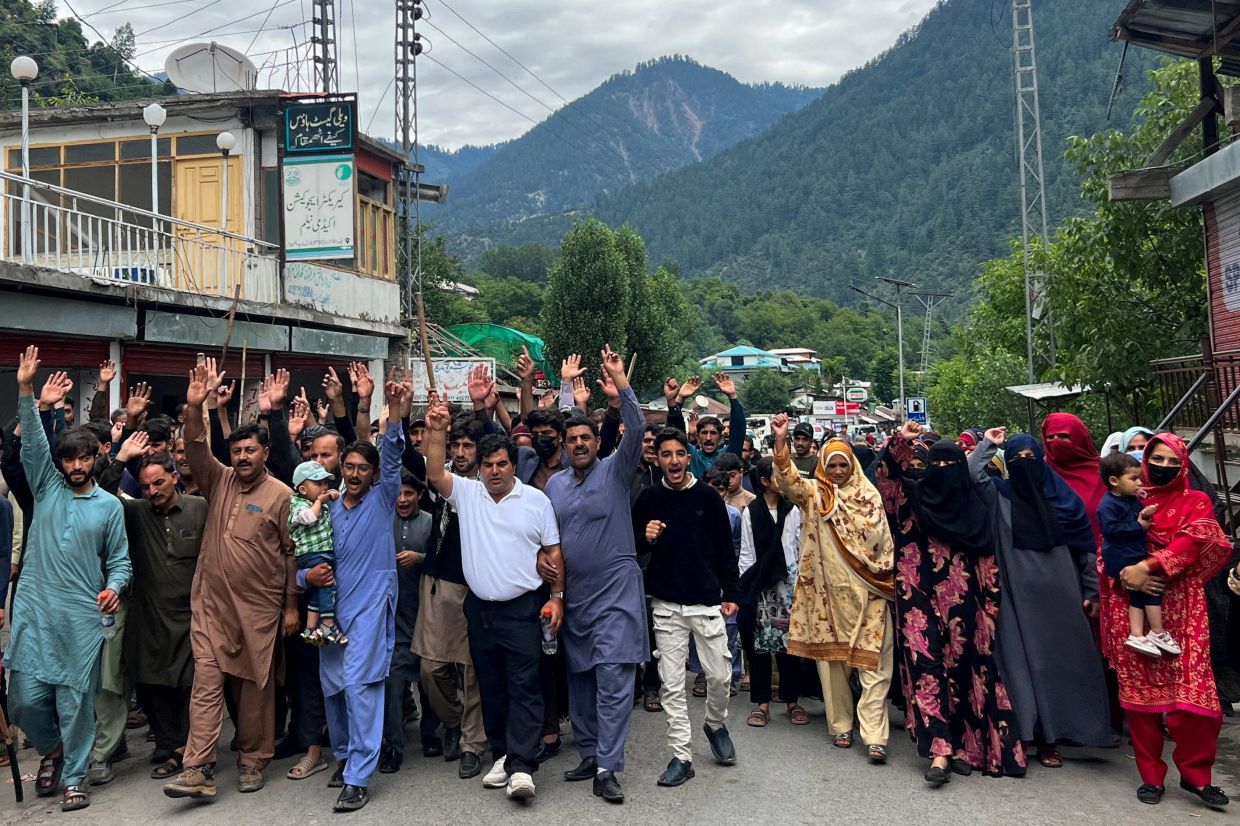
The United Nations has stepped into the escalating violence in Pakistani-administered Kashmir, urging authorities to conduct thorough and impartial investigations into dozens of deaths reported during a surge of pre-election unrest. UN High Commissioner for Human Rights Volker Turk made the appeal through his spokesman Jeremy Laurence during a Friday briefing in Geneva, emphasising the need for calm in the Himalayan territory as regional tensions mount ahead of voting scheduled for July 27.
The timing of this international intervention underscores growing concerns about the security environment surrounding the region's legislative assembly elections. Since early June, dozens of people have been killed in clashes, including both civilian protesters and law enforcement officers. The death toll represents a significant escalation of violence compared to previous periods of unrest, raising alarm bells among human rights monitors and international observers watching how Pakistan's security forces are managing the political situation.
At the heart of the instability lies the Joint Awami Action Committee, an anti-government movement demanding economic and governance reforms that have gained substantial traction among the local population. Despite being designated under Pakistan's anti-terrorism laws last month—reportedly over claims it threatened public order and security—JAAC supporters have continued organising demonstrations and mobilising grassroots opposition. The decision to ban the organisation has itself become contentious, with critics arguing it represents an attempt to suppress legitimate political dissent rather than address genuine security threats.
The UN human rights office has levelled sharp criticism at the Pakistani authorities' handling of the situation, particularly regarding the arrest of several JAAC leaders. Laurence stressed that criminalising a civil society organisation and imposing restrictions on public gatherings raise serious questions about whether fundamental freedoms are being protected. He specifically flagged concerns that the authorities may be infringing upon rights to freedom of expression, peaceful assembly, and association—protections that are theoretically guaranteed under international human rights conventions that Pakistan has ratified.
For Malaysian observers and policymakers, this crisis in Kashmir offers important lessons about how governments navigate the tension between managing security threats and preserving civil liberties during politically sensitive periods. The situation mirrors challenges that regional governments sometimes face when balancing public order concerns against the need to allow legitimate political expression and opposition movements to function, even when they are controversial or critical of government policies.
The UN has also called for detained JAAC leaders to be granted full access to legal representation and their families, insisting that due process and fair trial guarantees must be respected without exception. This demand reflects international standards established through decades of human rights protocols and conventions, standards that Pakistan is obligated to uphold as a signatory to various international agreements. The emphasis on legal safeguards suggests concern that detainees may be held without adequate judicial oversight or may face pressure tactics during interrogation.
Another critical issue raised by the UN concerns internet restrictions that authorities have imposed throughout the territory. These digital shutdowns are particularly controversial because they prevent residents from accessing news sources, communicating with family members outside the region, and sharing information about the unrest. The UN characterised such restrictions as disproportionate, arguing they undermine freedom of expression precisely when people most need access to reliable information and open communication channels. In an era when internet connectivity is essential for daily life, economic activity, and political discourse, blanket digital blackouts carry extraordinary consequences for ordinary citizens.
The historical context of Kashmir remains crucial to understanding why this region remains so sensitive for Pakistan's military and government establishment. Kashmir has been disputed territory since India and Pakistan's independence from British rule, with both nations claiming the entire region. Pakistan-administered Kashmir represents roughly one-third of the territory, while the remainder is controlled by India. This geographical division reflects decades of conflict, including multiple wars and ongoing skirmishes that have made Kashmir a cornerstone of national identity and military strategy for both countries.
Significantly, this latest wave of violence echoes similar patterns from September of the previous year, when intense clashes between police and JAAC-led protesters resulted in at least nine confirmed deaths in the same region. The recurrence suggests underlying political and economic grievances have not been resolved and continue to simmer beneath the surface. Rather than being temporary eruptions of disorder, these periodic surges of violence indicate structural tensions between the local population's demands for better governance and economic opportunity, and the government's security-focused approach to maintaining order.
The UN's call for meaningful and inclusive political dialogue represents perhaps the most forward-looking recommendation in the human rights office's statement. Rather than treating the unrest solely as a law-and-order problem requiring security force intervention, this suggestion emphasises that political solutions are necessary to address root causes. Economic stagnation, perceived governance failures, and limited opportunities for political participation are driving grievances that cannot be resolved through security measures alone, no matter how effectively deployed.
For Southeast Asia more broadly, this situation in Kashmir serves as a cautionary tale about the risks of prioritising security responses to fundamentally political problems. The region's own experience with civil unrest, terrorism concerns, and demands for better governance has shown that sustainable stability requires balancing legitimate security needs with respect for fundamental rights and meaningful engagement with dissenting voices. How Pakistan navigates the weeks ahead—whether it can reduce violence while preserving space for political expression—will influence how international observers assess Pakistan's commitment to democratic norms and human rights standards.

