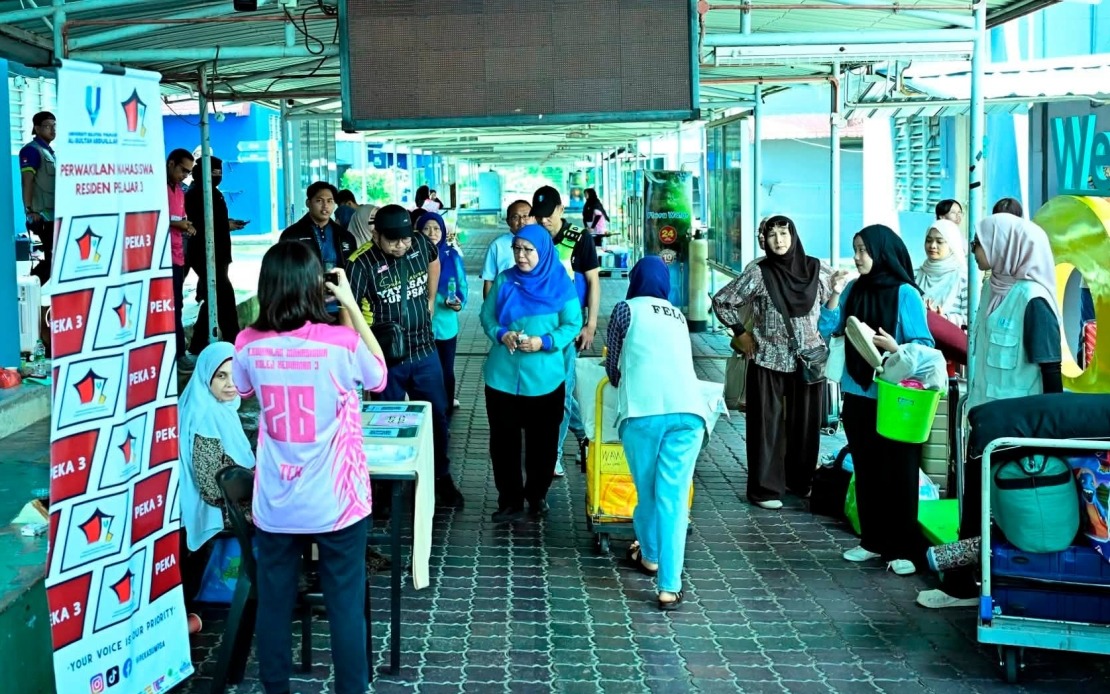
Universiti Malaysia Pahang Al-Sultan Abdullah (UMPSA) has declared that student welfare remains a cornerstone of its institutional mission, with particular emphasis on ensuring economically disadvantaged learners can access quality higher education without facing financial barriers. Vice-chancellor Prof Dr Yatimah Alias made the commitment during new student registration activities in Kuantan on July 19, underlining the university's resolve to provide comprehensive support mechanisms for those facing economic hardship.
The institution's approach encompasses a multifaceted strategy designed to remove obstacles that might otherwise prevent talented students from low-income backgrounds from completing their studies. Beyond tuition assistance, UMPSA recognises that sustained financial pressure throughout a degree programme can undermine academic performance and student wellbeing. Accordingly, the university has developed integrated support systems that address both immediate and ongoing financial needs.
During the registration process, UMPSA distributed scholarships to 20 students, with each award covering full tuition fees and providing a monthly stipend to assist with living expenses. This direct financial support acknowledges the reality that many Malaysian students from underprivileged backgrounds must balance academic commitments with financial constraints that can impede their educational progress. The monthly allowance component proves particularly valuable, as it enables recipients to focus on their studies rather than pursuing part-time work that might compromise their academic outcomes.
Complementing the scholarship programme, UMPSA channelled RM1,000 Early Education Incentive awards to students identified as facing financial need. These grants, funded through the UMPSA Foundation, function as rapid-response mechanisms to address immediate hardships that might otherwise force students to withdraw from their programmes. The foundation-based funding model also demonstrates how universities can mobilise institutional resources and philanthropic support to extend aid beyond government allocations.
Prof Dr Yatimah's public commitment to equitable education reflects broader pressures within Malaysia's higher education sector to democratise access and ensure that talent rather than family wealth determines educational opportunity. This principle carries particular resonance in Malaysia, where socioeconomic disparities translate into significant educational inequalities. Universities that fail to address these gaps risk perpetuating cycles of disadvantage and losing talented students to circumstances entirely beyond their control.
The timing of these support initiatives coincides with UMPSA's registration of 1,045 new Diploma students for the 2026/2027 academic session, representing the highest new student intake in the university's operational history. This expansion signals growing confidence in UMPSA's programmes and increasing demand for vocational and diploma-level qualifications within Malaysia's evolving labour market. However, such growth also amplifies the university's responsibility to ensure that expansion does not occur at the expense of disadvantaged cohorts.
UMPSA's multipronged approach to student welfare reflects international best practice in maintaining socioeconomic diversity within university populations. Research consistently demonstrates that diverse student cohorts, including those representing different socioeconomic backgrounds, enhance the educational environment for all participants and produce graduates better equipped to address societal challenges. By actively supporting underprivileged students, UMPSA simultaneously serves its institutional mission and contributes to Malaysia's broader development objectives.
The financial assistance programmes also address a critical juncture in the Malaysian higher education system. With rising living costs, accommodation expenses, and educational fees, many families struggle to fund their children's university education despite possessing the academic capability. UMPSA's intervention at this precise point—providing scholarships and incentives during enrolment—recognises that immediate financial support often determines whether a qualified candidate actually proceeds to tertiary study.
Beyond financial mechanisms, Prof Dr Yatimah emphasised UMPSA's commitment to providing comprehensive academic support services designed to help disadvantaged students succeed in their chosen programmes. This holistic approach recognises that financial barriers represent only one dimension of the challenges underprivileged students face. Many require tutoring support, mentorship from academic staff, library assistance, and guidance navigating university systems unfamiliar to first-generation university students in their families.
The university's public articulation of these commitments carries strategic importance within Malaysia's competitive higher education landscape. Prospective students from disadvantaged backgrounds need reassurance that their institutions actively invest in their success rather than merely admitting them and assuming market forces will determine outcomes. UMPSA's transparency about available support mechanisms should facilitate informed decision-making among eligible candidates who might otherwise underestimate their capacity to complete university programmes.
Moving forward, UMPSA faces the challenge of sustaining these support mechanisms while managing rapid enrolment growth. The record 1,045 new diploma students represent both opportunity and pressure on institutional resources. If support quality deteriorates as enrolment expands, underprivileged students—who depend most heavily on institutional assistance—risk being squeezed as resources become stretched. UMPSA must therefore continue prioritising adequate funding for welfare programmes as part of its expansion strategy.

