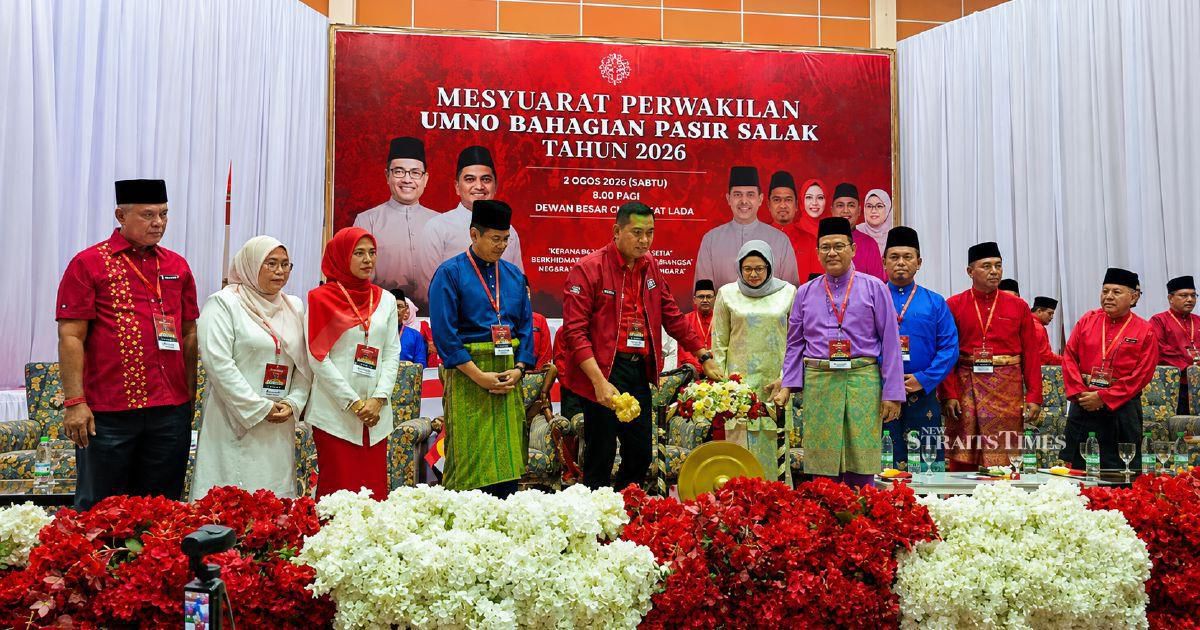
The delicate architecture of Malaysia's political landscape faces fresh scrutiny as party leaders grapple with the practical consequences of recent electoral alliances. Umno Youth chief Datuk Dr Muhamad Akmal Saleh has underscored the necessity of honouring the perspectives of grassroots division leaders regarding seat distributions negotiated under Umno's evolving understanding with Perikatan Nasional, signalling that top-down decision-making without consultation risks fracturing party unity ahead of critical electoral contests.
The statement carries weight within Umno's hierarchical structure, where divisional wings function as crucial organisational building blocks. These grassroots entities, helmed by elected leaders intimately acquainted with local political dynamics, constituency boundaries, and incumbent support networks, represent the frontline of party machinery. Their institutional knowledge proves invaluable when determining which candidates possess the legitimacy and organisational strength to contest in allocated seats without triggering internal backlash.
Umno's partnership framework with Perikatan Nasional represents a significant recalibration of Malaysia's coalition architecture, fundamentally reshaping candidate nomination processes across participating constituencies. Unlike centralised seat allocation mechanisms that bypass intermediate party structures, incorporating division leaders' input theoretically anchors decisions in ground-level realities. Division heads typically understand local sentiment regarding preferred candidates, incumbency advantages, and demographic shifts affecting electoral prospects within their territories.
The emphasis on respecting divisional positions reflects awareness that circumventing grassroots consultation generates festering resentment among rank-and-file members. When divisional leaders feel marginalised in seat allocation negotiations, they may withhold campaign resources, volunteer mobilisation, or endorsement enthusiasm—effectively sabotaging candidates imposed from above. Such internal friction has previously undermined coalition parties' electoral performance, demonstrating that formal alliance agreements require complementary internal consensus-building.
For Malaysian voters, this procedural consideration illuminates broader governance challenges. Alliance partners must balance centralised strategic coordination against local party autonomy, coordinate divergent interests across geographically dispersed membership bases, and maintain coalition cohesion whilst preserving individual party identity. How successfully Umno and Perikatan Nasional navigate these tensions during seat allocation processes will influence whether their partnership strengthens Malaysia's political stability or merely postpones inherent contradictions requiring eventual resolution.
The BN-PN understanding emerged from recognising complementary electoral calculations. Both formations sought to expand influence within federal politics, consolidate support structures, and strengthen bargaining positions within government formation scenarios. However, translating strategic alliance into practical seat-sharing arrangements demands resolving numerous technical questions about candidate suitability, geographic reach, and competitive advantages in specific constituencies—decisions affecting thousands of party members' aspirations for nomination.
Divisional leaders traditionally serve as crucial intermediaries between national party machinery and local membership communities. Respecting their perspectives on seat allocations acknowledges their institutional responsibility for member satisfaction and organisational stability. When divisional views receive serious consideration, leaders maintain credibility within their constituencies and can subsequently explain national party decisions to sceptical members as reflecting genuine deliberation rather than imposed directives.
Peikatan Nasional's growing prominence within Malaysian politics necessitates sophisticated coordination mechanisms between coalition partners. Umno's acknowledgment that divisional input matters in seat allocation processes sets expectations that similar consultative practices should characterise discussions between BN and PN leadership. Establishing such norms builds trust necessary for sustained coalition functioning, particularly if electoral mathematics eventually require renegotiating seat arrangements.
The Malaysian political system has historically struggled with alliance sustainability, with several significant coalitions fragmenting over resource distribution disagreements and perceived unfair treatment of constituent parties or factions. Addressing procedural fairness in seat allocation—by ensuring divisional voices receive attention during negotiations—represents preventative governance, acknowledging that sustainable alliances require legitimacy throughout party structures rather than merely among elite negotiators.
Looking forward, the practical implementation of this principle will reveal whether statements emphasising respect for grassroots positions translate into genuine institutional practice. Divisional leaders require meaningful opportunities to present their perspectives, sufficient time for internal deliberation before finalisation, and transparent communication explaining how their input influenced final decisions. Without such substantive engagement, the invocation of respect risks appearing performative—ultimately frustrating grassroots leaders further rather than resolving underlying tensions.
The Umno Youth chief's remarks also implicitly acknowledge generational perspectives within the party. Younger members increasingly demand participatory decision-making processes rather than accepting hierarchical impositions. By emphasising divisional respect, Akmal positions Umno as modernising its internal governance structures to reflect contemporary expectations about consultation and democratic participation within party mechanisms.
For Southeast Asian observers, Umno's approach to managing divisional input within alliance contexts offers instructive lessons about maintaining coalition stability. As regional political parties increasingly form cross-party alliances navigating complex coalition arithmetic, respecting constituent organisations' perspectives emerges as essential infrastructure supporting long-term sustainability. Malaysia's experience will likely inform how other Southeast Asian democracies approach similar institutional design challenges as multiparty politics intensifies across the region.

