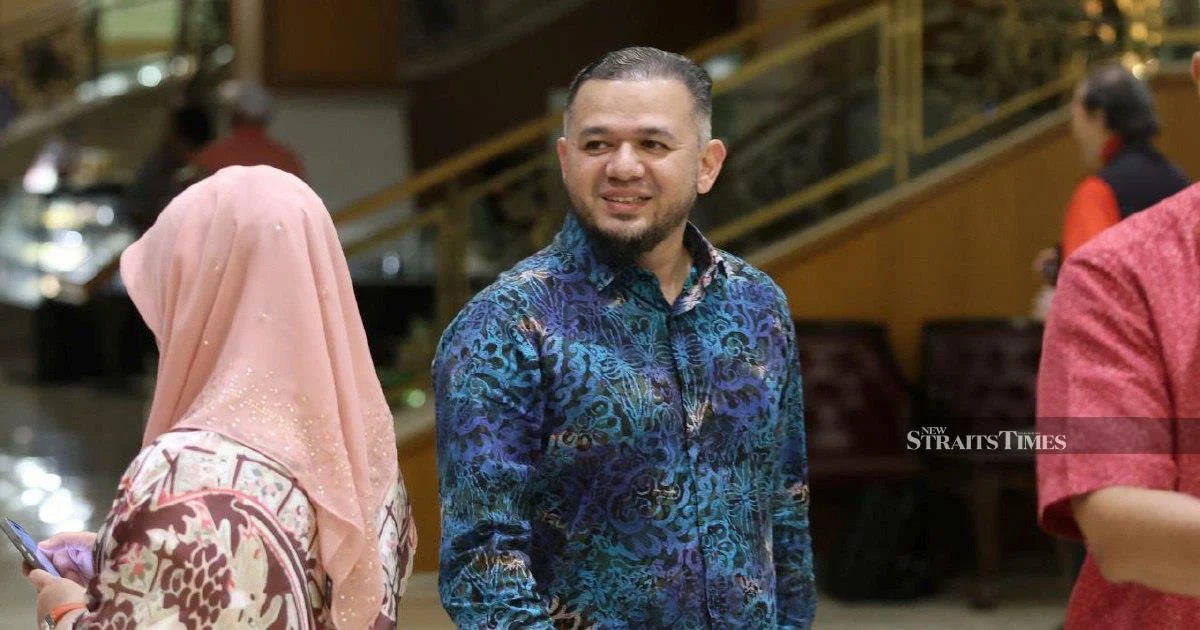
Kangar Umno division chief Datuk Dr Fathul Bari Mat Jahya and two former company directors have been ordered by the High Court to settle a debt of RM492,480 owed to a haj and umrah service provider. The court's decision came after dismissing their application to postpone enforcement of the judgment, effectively ending their legal efforts to delay the repayment.
The case centres on a commercial dispute involving the three respondents and a service provider specialising in pilgrimage arrangements. The sum in question represents outstanding liabilities from their directorship period. Fathul Bari, who holds a prominent position within Umno's Kangar division, was among those named in the proceedings. The rejection of the stay application signals that the court found insufficient grounds for delaying the execution of the existing judgment.
Stay applications in Malaysian civil litigation are typically filed when parties believe they have reasonable prospects of overturning an unfavourable decision on appeal, or when they can demonstrate that delaying enforcement would serve justice. The High Court's refusal suggests the judicial body was not convinced by the arguments presented by Fathul Bari and his co-directors. This development carries significant implications for those involved, as the court has essentially cleared the path for immediate enforcement action.
The involvement of a senior Umno figure in a commercial dispute raises questions about governance and financial accountability within the party's structures. Umno, as the dominant party in Malaysia's ruling coalition, maintains considerable influence over government policy and administration. When members holding party positions become entangled in legal disputes involving substantial sums, it invariably draws public scrutiny and contributes to broader conversations about corporate governance practices among political figures.
Haj and umrah service provision is a significant commercial sector within Malaysia's economy. These companies facilitate religious journeys for thousands of Malaysian Muslims annually, handling complex logistics, financial arrangements, and international travel coordination. When disputes arise involving directors of such enterprises, they can affect not only the company's operations but also potentially the pilgrims relying on their services. The RM492,480 judgment amount suggests this was not a minor contractual disagreement but a material breach or outstanding obligation.
The court's decision to dismiss the stay application represents a watershed moment in the proceedings. Rather than prolonging the dispute through repeated legal maneuvering, the judiciary has essentially determined that the matter should proceed to execution phase without further delay. For commercial creditors dealing with Malaysian courts, such rulings provide reassurance that judgments ultimately become enforceable rather than remaining perpetually contested through procedural mechanisms.
Fathul Bari's position as Kangar division chief places him within Umno's lower-level administrative structure, though the title still carries influence in local political circles. The Kangar constituency, located in Perlis, represents one of Malaysia's smaller political divisions but remains significant within the state's broader political landscape. When individuals in such positions face legal challenges involving substantial financial obligations, it inevitably affects their standing within party structures and community perception.
For Malaysian observers following corporate governance issues, this case exemplifies the kinds of commercial disputes that can entangle political figures in lengthy litigation. The trajectory from initial judgment to stay application to final dismissal typically spans months or years, consuming legal resources and generating reputational consequences regardless of eventual outcomes. The High Court's swift dismissal of the stay application suggests the bench viewed the arguments as lacking merit, enabling faster resolution.
The broader context involves Malaysia's ongoing efforts to strengthen corporate governance standards and ensure accountability within commercial entities. Government initiatives promoting transparency and ethical business practices have increasingly placed scrutiny on directors who fail to meet their fiduciary obligations. While this case involves relatively modest sums compared to some high-profile corporate disputes, it reinforces principles regarding director accountability and the enforceability of court judgments against those in positions of responsibility.
Enforcement of the judgment will likely involve standard mechanisms available under Malaysian law, potentially including asset recovery procedures or garnishment orders. The three respondents now face a clear timeline for settlement, with continued non-compliance potentially triggering more severe consequences under execution procedures. The finality of the court's stay application decision removes what might have been perceived as a temporary respite or opportunity for negotiated settlement.
This case also has implications for Malaysia's haj and umrah service industry. Companies operating in this sector require reliable commercial relationships with directors and partners who can be trusted to fulfil financial obligations. Judgments against former directors, when enforced successfully, help establish precedent that courts take such breaches seriously and will enforce remedies promptly. This environment theoretically encourages more prudent financial management and governance practices across the sector.
Looking forward, the focus now shifts from judicial determination to practical enforcement. Whether the respondents move quickly to settle the outstanding amount or pursue further legal channels to challenge the underlying judgment remains to be seen. However, the dismissal of the stay application has significantly strengthened the creditor's position and removed a major procedural obstacle to collecting the debt. For Fathul Bari and his co-directors, the path forward requires confronting the financial obligation directly rather than through continued litigation delays.

