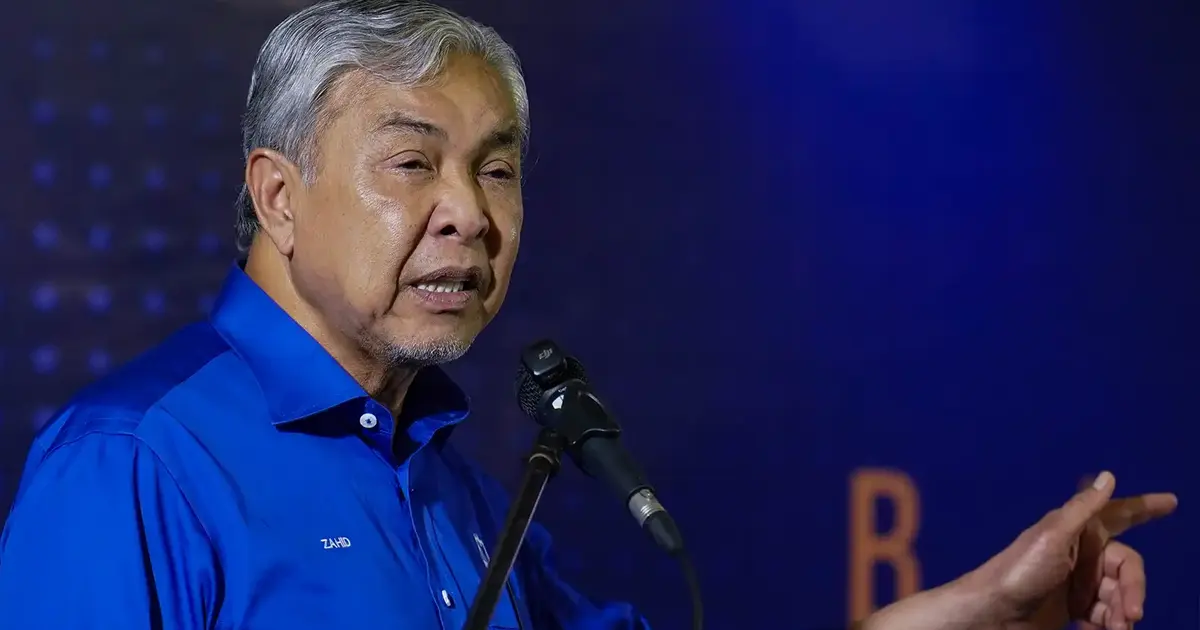
The prospect of a renewed Umno-PAS partnership has resurfaced in Malaysian political discourse, with both parties potentially motivated by distinct but complementary short-term objectives. According to Umno deputy chief Puad Zarkashi, the two Malay-Muslim parties are capable of realigning despite the significant strains that fractured their previous working relationship, a development that could substantially reshape the current parliamentary balance if realised.
Puad's assessment points to Zahid Hamidi, Umno's party president, as a driving force behind exploratory efforts toward collaboration. The Umno leader's apparent interest in securing the prime ministerial position represents a significant factor in calculations around potential coalition arrangements. In Malaysian politics, where the premiership has become increasingly contested through coalition realignments, Zahid's ambitions carry practical weight in determining whether his party might pursue different alliances or configurations of power-sharing.
For PAS, the calculus differs but aligns toward similar outcomes. The Islamist party has been navigating its position outside the federal government since the 2022 general election, despite retaining considerable influence through its control of Kelantan and Terengganu state governments. A return to federal executive involvement would enhance PAS's ability to shape national policy, particularly on matters affecting its core constituencies and ideological priorities. The party has consistently signalled discomfort with its current peripheral status in national governance, making governmental participation a logical objective.
The historical context of Umno-PAS relations remains complex and consequential. Their previous alliance, anchored in their shared Malay-Muslim voter base and ideological affinities, operated effectively during certain periods but ultimately fragmented due to competitive pressures, leadership disputes, and strategic divergences. The 2018 political transition fundamentally altered their relationship, with both parties subsequently pursuing independent trajectories through different coalition partners. Rebuilding trust after such ruptures typically requires demonstrable willingness from both sides to address underlying grievances and establish new terms of engagement.
Puad's public statement suggesting feasibility of renewed cooperation carries implicit acknowledgement that structural obstacles to reunification, while real, need not be insurmountable when mutual incentives align sufficiently. Short-term political imperatives—such as the desire to reposition oneself before the next general election, anticipated around 2026—can create windows during which previously estranged partners reassess collaborative possibilities. The Malaysian political landscape has demonstrated repeatedly that pragmatic coalition-building often takes precedence over historical animosities when the mathematics of government formation demands it.
For Malaysia's broader political economy, a Umno-PAS realignment would carry significant implications. Such a partnership would represent a consolidation of Malay-Muslim political representation, potentially intensifying competition with other coalition configurations and forcing repositioning among Chinese-dominated parties and other stakeholders. The composition and tenor of any Umno-PAS government would likely differ markedly from alternatives, particularly regarding religious affairs, constitutional matters, and the balance between federal and state powers, given PAS's consistent advocacy for enhanced Islamic governance mechanisms.
From a Southeast Asian perspective, Malaysian coalition dynamics merit regional attention. Malaysia's federal system, with its complex distribution of power among states and the federal centre, creates multiple pressure points where parties negotiate influence. Developments in Kuala Lumpur reverberate through efforts in Sabah and Sarawak to maintain autonomy and secure resources, while also affecting how regional powers like Singapore and Indonesia assess stability and continuity in governance. A reconstituted Umno-PAS arrangement could alter Malaysia's diplomatic orientation and domestic policy priorities in ways affecting its regional standing.
The timing of Puad's remarks suggests neither party has abandoned preliminary soundings toward reconciliation. Political figures in Malaysia typically make such public comments when internal discussions have progressed beyond mere speculation, signalling to supporters and rival coalitions that serious consideration is underway. The careful framing—emphasising shared interests while acknowledging past difficulties—follows a familiar pattern preceding major political realignments in the Malaysian context.
Yet substantial hurdles remain before any formal reunification materialises. Internal resistance within both parties would likely emerge, as rank-and-file members and factional leaders holding positions under current arrangements might resist changes threatening their standing. Additionally, the negotiation of ministerial portfolios, policy compromises, and leadership arrangements would prove contentious, particularly given questions about which party leader would hold premier authority in any merged government or whether such authority would rotate.
For Malaysian voters and the broader public, the possibility of Umno-PAS realignment raises consequential questions about governmental direction and policy emphasis. Umno has historically pursued relatively centrist and developmentalist agendas, while PAS advocates more explicitly Islamic-oriented governance. Reconciling these orientations within a unified cabinet would require substantial negotiation and likely produce compromises satisfying neither party's ideological base entirely. The outcome would depend heavily on which party succeeds in imposing its priorities on joint governance arrangements.
Looking forward, whether such coalition-building materialises depends on evolving circumstances Malaysian politics faces. Economic pressures, internal party management challenges, and the strategic calculations of other major political actors will all influence whether Zahid and PAS leadership ultimately decide a partnership serves their respective interests better than maintaining current arrangements. Puad's remarks indicate the conversation has begun, but the distance from preliminary discussions to formal government formation in Malaysian politics remains substantial.

