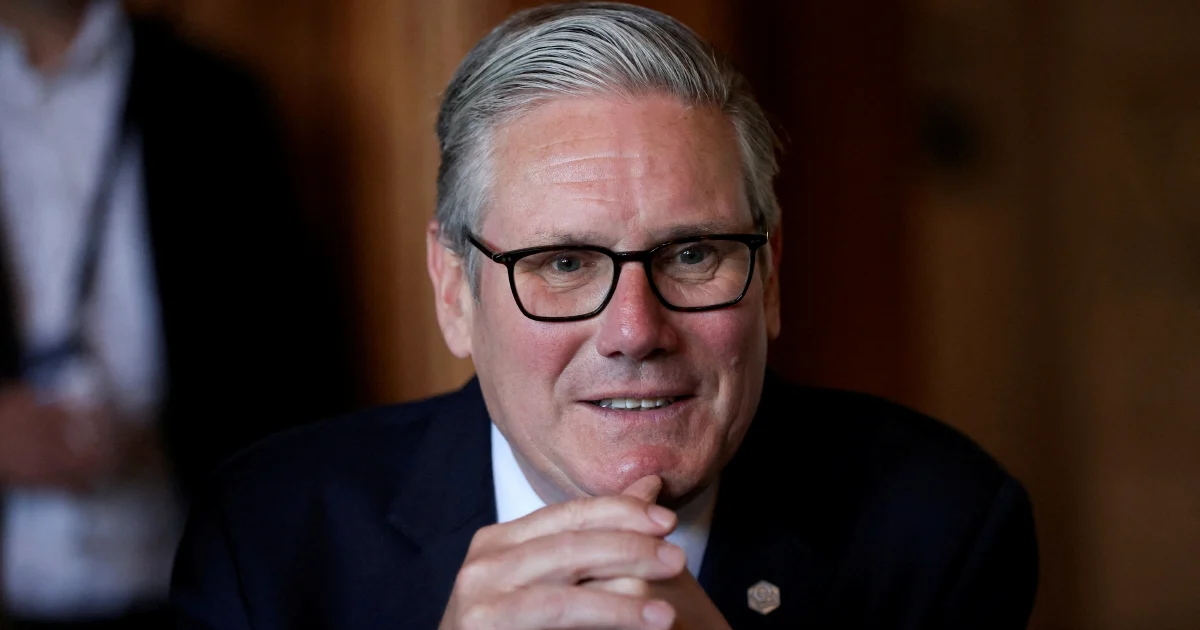
Prime Minister Keir Starmer finds himself at the centre of conflicting reports about his political future, with British media outlets claiming he may step down imminently while Downing Street insists he intends to remain in office. The Observer newspaper published a report suggesting that Starmer would announce his resignation on Monday and present a timeline for his departure, creating fresh turbulence for a government already navigating challenging political waters. However, officials from the Prime Minister's office swiftly countered these claims, emphasizing that Starmer continues to direct his attention and energy towards the responsibilities of leading the country.
The emergence of such reports reflects the intense scrutiny faced by the Labour government since taking office. British politics has experienced considerable instability in recent years, with multiple prime ministers serving relatively brief terms and facing mounting pressure from both internal party divisions and public discontent. Against this backdrop, even unsubstantiated speculation about a potential resignation carries significant weight in Westminster and among the broader electorate, potentially undermining confidence in the administration.
Starmer has encountered several obstacles since Labour's election victory, including controversial policy decisions and implementation challenges that have drawn criticism from various quarters. The government's handling of economic matters, welfare provisions, and public services has generated debate within his own party and among opposition members. Such pressures typically accumulate on any premiership, and the timing of these resignation rumours suggests they emerge during periods when the government faces particularly acute challenges or when media speculation about leadership intensifies.
The rapid denial from government sources demonstrates the seriousness with which Downing Street treats such reports. Rather than dismissing them as idle gossip, officials provided explicit reassurance about Starmer's commitment to his position and his intention to continue governing. This direct response underscores how damaging unfounded resignation speculation can be to government effectiveness and public perception, potentially creating uncertainty about policy direction and international relations.
For Malaysian observers and Southeast Asian readers, developments in British political leadership carry implications for global stability and regional relationships. The United Kingdom remains a significant player in international affairs, and transitions in its leadership affect diplomatic alignments, trade arrangements, and security partnerships across the region. Any sudden change in British political leadership would necessitate adjustment periods for countries managing bilateral relationships and multilateral cooperation frameworks with Westminster.
The contrast between media reporting and official denial also illustrates the ongoing tension between news organizations and government communications. The Observer, a respected British publication, would not typically publish such a significant claim without confidence in its sources, yet Downing Street's categorical rejection raises questions about the reliability of those sources or the interpretation of events that transpired in political discussions. This pattern of claim and counter-claim has become increasingly common in contemporary political reporting, where the veracity of reports becomes almost as newsworthy as the underlying events themselves.
Starmer's position as prime minister represents a shift in British politics following years of Conservative governance. His Labour administration campaigned on promises of change and renewal, themes that resonated with voters fatigued by previous political administrations. Stability at the top of government therefore carries particular importance for delivering on those campaign commitments and establishing the Labour government's credibility for a full parliamentary term.
The political environment in which these reports emerge includes ongoing debates about the direction of government policy, particularly regarding economic management, the National Health Service, and social welfare spending. These contentious issues continue to generate pressure on the government from multiple directions, creating an atmosphere where speculation about leadership changes can gain traction more readily. Media outlets monitoring Westminster closely naturally investigate any hints of instability, knowing that leadership transitions constitute major political stories.
Government sources' insistence on Starmer's focus and commitment suggests confidence that current challenges, while real, remain surmountable without changes in leadership. The decision to address resignation rumours through direct statements rather than silence indicates that officials believe transparency and reassurance serve the government's interests better than allowing speculation to circulate unchecked. This approach reflects modern political communications strategy, where rapid response to potentially damaging reports has become standard practice.
Looking forward, the degree to which these resignation reports gain further traction will likely depend on whether additional challenges emerge for the government or whether political circumstances stabilize. If the administration succeeds in implementing key policies and demonstrates effective governance, such speculation may fade into background noise. Conversely, if serious difficulties mount, media scrutiny of leadership could intensify considerably. For now, Starmer and his team have firmly rejected the immediate resignation scenario, signaling their determination to pursue their political agenda and govern for the full length of their parliamentary mandate.

