Universiti Teknologi MARA's Kelantan branch is making a direct appeal to economically disadvantaged students not to abandon their opportunities for higher education, citing the availability of comprehensive financial and welfare support mechanisms designed to lighten the load of educational costs. The institution's message comes at a time when public university admissions remain highly competitive, with successful candidates increasingly coming from challenging financial circumstances.
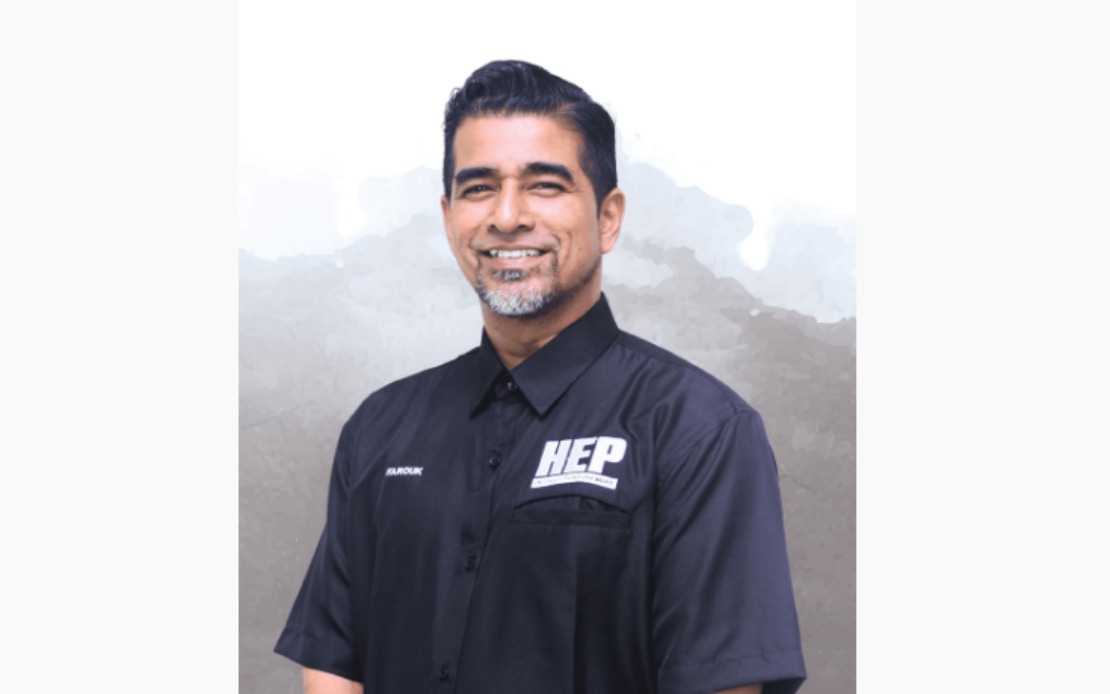
Meer Zhar Farouk Amir Razli, the deputy rector for student affairs at UiTM Kelantan, emphasised that prospective students should not assume that PTPTN loans represent their only pathway to funding their degrees. Speaking during the university's Rector's Cakna Programme, he outlined a tiered approach to financial support that extends well beyond conventional education loans, acknowledging the gaps that often exist in family budgets even when borrowing options are available.
The institution has established multiple layers of assistance tailored to different student needs. Beyond the National Higher Education Fund Corporation loans, UiTM Kelantan provides zakat-based financial aid that taps into Islamic charitable frameworks, welfare allocations drawn from the university's own resources, and operational support through the "Dapur MADANI" initiative, a residential college scheme aimed specifically at managing daily living costs that can often prove more challenging than tuition fees themselves. These programmes collectively aim to address the full spectrum of expenses that students face throughout their academic journey.
The "Dapur MADANI" initiative represents a particularly innovative approach to student welfare, functioning within residential college structures to help undergraduates budget and manage accommodation and meal costs effectively. Rather than offering one-time payments, the scheme provides ongoing support infrastructure that stabilises students' living arrangements throughout their educational tenure, reducing the financial anxiety that frequently leads capable students to withdraw from opportunities.
Meer Zhar stressed that both students and their parents need to proactively investigate available assistance packages before making the critical decision to decline an admission offer. This emphasis on information-seeking reflects a wider problem in Malaysia's education landscape: many eligible candidates from low-income families simply do not realise the full spectrum of aid available, leading them to make premature rejections based on incomplete knowledge of their financial options. The university's outreach efforts attempt to bridge this information gap directly.
The competitive context surrounding public higher education admissions in Malaysia cannot be overstated. With demand for places significantly outstripping availability, each rejection represents a missed opportunity not just for the individual student but also a vacancy that might have been filled by someone with fewer alternatives. This scarcity makes it particularly important that decisions are based on complete information rather than assumptions about unaffordability.
The Rector's Cakna Programme itself exemplifies UiTM's collaborative approach to student support, partnering with local non-governmental organisations to identify and assist newly enrolled students who face material hardship. This collaboration extends beyond mere financial transfers to encompassing holistic support that recognises the interconnected nature of poverty and educational challenges. By working with grassroots organisations already embedded in Kelantan's communities, UiTM gains insight into the real circumstances facing students and can target assistance more effectively.
The experience of Norzarra Dhania Amir Abdullah, nineteen years old, illustrates both the barriers that disadvantaged students face and the tangible impact of institutional support. Norzarra had previously received admission to UiTM Sarawak but felt compelled to reject the offer due to her family's financial crisis. As the eldest of seven children, she carries significant household responsibilities, with her family dependent entirely on her mother's income as a restaurant assistant following her father's incapacitation by diabetes four years ago. Her situation reflects a common pattern among Malaysia's low-income families, where educational opportunity often collides with immediate survival needs.
Norzarra's eventual acceptance of a place at UiTM Kelantan, where she will pursue a Diploma in Management, demonstrates how proximity and reduced costs can transform educational feasibility. The geographical advantage of studying closer to home directly reduces living expenses while enabling her to continue contributing to household responsibilities, a critical consideration for many disadvantaged students whose family obligations form an inseparable part of their reality. Her case underscores that support sometimes needs to be practical and location-based rather than purely financial.
The university's gesture of providing Norzarra with a laptop through the Rector's Cakna Programme goes beyond symbolic recognition of her circumstances, addressing a specific barrier to academic success in an increasingly digital learning environment. Many low-income students lack essential technology, putting them at immediate disadvantage in coursework and research even before academic challenges arise. By targeting such material needs, the programme removes preventable obstacles to achievement.
Norzarra's narrative also speaks to psychological dimensions of educational access. Her determination to pursue higher education despite repeated setbacks, and her perspective that this opportunity represents a genuine dream realisation, reflects the aspirational drive that characterises many Malaysian students from disadvantaged backgrounds. Institutional support that recognises and enables such determination serves not merely individual benefit but broader national development by channelling talent that might otherwise remain underdeveloped.
For Southeast Asian readers observing Malaysia's approach to widening higher education access, UiTM's multi-layered support model offers instructive lessons. Rather than treating financial assistance as a burden to be minimised, the institution positions it as integral to institutional mission, coordinating various funding streams and deploying practical support mechanisms alongside financial aid. This comprehensive approach acknowledges that educational access involves far more than simply removing tuition barriers.
Looking forward, UiTM's emphasis on preventing premature rejection of admission offers suggests a broader policy imperative across Malaysian public universities. As competition intensifies and more capable students from disadvantaged backgrounds gain admission, institutions must ensure that their support infrastructure evolves accordingly. The message from Kelantan is clear: admission offers to qualified students should not be abandoned due to financial assumptions that may not reflect the full range of available support.