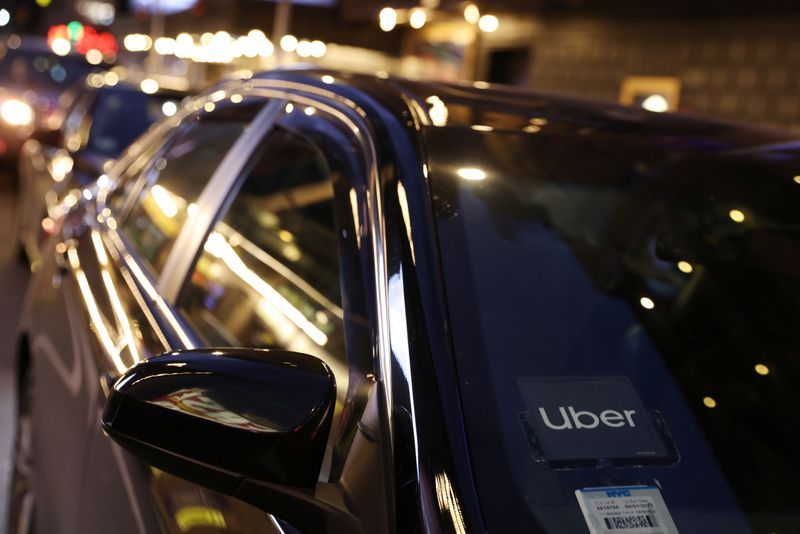
Uber Technologies faces mounting legal pressure from its own shareholders, who accuse the ride-sharing giant's board of deliberate negligence in tackling a cascade of safety and compliance problems that have triggered thousands of lawsuits. The derivative lawsuit, filed in San Francisco federal court by investors including the Police and Fire Retirement System of the City of Detroit, alleges that management and directors knowingly disregarded repeated warnings about the company's inability to prevent sexual abuse and harassment by drivers.
The shareholders characterise Uber as a "serial compliance offender" whose reputation has suffered irreparable damage through negative media coverage stemming from these oversight failures. The complaint draws attention to patterns of misconduct spanning multiple regulatory domains, suggesting that lax internal governance has created an environment where the company systematically prioritises operational expansion over adequate safeguarding mechanisms. This framing is significant because it attributes responsibility not merely to operational lapses but to deliberate boardroom indifference—a distinction that carries serious implications for shareholder claims of breach of fiduciary duty.
The sexual misconduct litigation represents the most visible dimension of Uber's compliance crisis. As of early June, the company faced 3,571 pending lawsuits in consolidated proceedings within the San Francisco federal court system, each alleging sexual misconduct by drivers. These cases reflect accumulated complaints from passengers spanning years of Uber's operation, suggesting systemic weaknesses in driver vetting, background checks, and incident response protocols. The sheer volume underscores how individual safety failures have metastasised into a portfolio of litigation that now threatens shareholder value and corporate reputation.
Beyond sexual assault allegations, Uber's compliance troubles extend into disability rights and consumer protection. Federal authorities filed lawsuits last year accusing the company of routinely refusing service to disabled passengers, including those with service animals or collapsible wheelchairs. The government also alleged deceptive billing and cancellation practices that exploited consumers through opaque fee structures. Shareholders argue that these parallel compliance failures reveal a boardroom that either lacked awareness of widespread problems or consciously accepted regulatory risk as a cost of doing business—neither scenario absolving directors of accountability.
Internal warnings appear to have been abundant yet ineffective. The complaint emphasises that board members received repeated notifications, both from within Uber's own risk and compliance teams and from external auditors and safety consultants, about the company's chronic inability to address driver-related sexual abuse. The persistence of such warnings without corresponding corrective action suggests either organisational dysfunction at senior levels or deliberate dismissal of safety concerns as secondary to growth metrics. For Malaysian and Southeast Asian readers, this dynamic mirrors governance challenges visible in rapidly scaling regional tech platforms, where expansion often outpaces safety infrastructure development.
The lawsuit specifically names Chief Executive Dara Khosrowshahi among the defendants. Shareholders acknowledge that his tenure since 2017 has involved somewhat less aggressive regulatory testing than his predecessor, Travis Kalanick, yet argue that Khosrowshahi has nonetheless perpetuated inadequate compliance spending and maintained tolerances for regulatory breaches. This nuance is important: the complaint does not allege reckless misconduct but rather a more subtle failure to fundamentally restructure safety and compliance operations despite access to information about systemic problems.
Board awareness of safety perception failures is explicitly documented in the complaint. Shareholders note that directors have been informed multiple times that fewer than 40 percent of Uber users believe the company prioritises safety—a remarkable deficit of confidence for a service predicated on personal trust between strangers. This metric suggests that Uber's compliance failures are not merely statistical occurrences but have crystallised into a reputation problem that potentially undermines the company's competitive position. In markets like Malaysia, where trust in digital platforms remains a critical friction point for adoption, such safety perception gaps carry particular weight.
The derivative lawsuit seeks to compel directors to reimburse Uber for breaches of fiduciary duty and violations of federal securities law. Rather than seeking direct monetary damages from the company, shareholders are attempting to hold individual board members personally accountable and recoup losses Uber itself has sustained through litigation, reputational damage, and the costs of remediation. This legal strategy reflects growing shareholder activism focused on boardroom accountability rather than corporate-level punishment alone.
Uber's recent stock performance underscores the financial consequences of these accumulated governance failures. The company's share price has declined more than 25 percent since peaking on September 22, representing billions in shareholder value destruction. While multiple factors influence stock movements, the timing and magnitude of Uber's decline coincide with intensifying legal and regulatory scrutiny, suggesting markets are pricing in costs associated with unresolved compliance liabilities and reputational damage.
The timing of the lawsuit arrives as Uber simultaneously battles other regulatory challenges. Earlier in June, Uber and competitor Lyft sued New York City to block a new law they claimed would prevent them from expeditiously removing drivers with safety concerns. This legal action, even as it frames safety removal as a company prerogative, appears contradictory to shareholders' allegations that Uber systematically fails to address driver misconduct. The litigation landscape now encompasses multiple fronts: internal shareholder challenges to board governance, external regulatory enforcement, consumer class actions, and legislative battles over regulatory scope.
For the broader Southeast Asian ride-sharing ecosystem, Uber's governance crisis carries cautionary implications. As ride-sharing platforms expand across the region, many face similar pressures to choose between comprehensive safety infrastructure and rapid customer acquisition. Uber's experience suggests that boardroom tolerance for compliance shortcuts eventually manifests in litigation costs, regulatory fines, and reputational damage that exceed savings achieved through deferred safety investments. Malaysian regulators and stakeholders monitoring platform governance should note that shareholder litigation increasingly serves as an enforcement mechanism for corporate accountability when internal governance structures fail.

