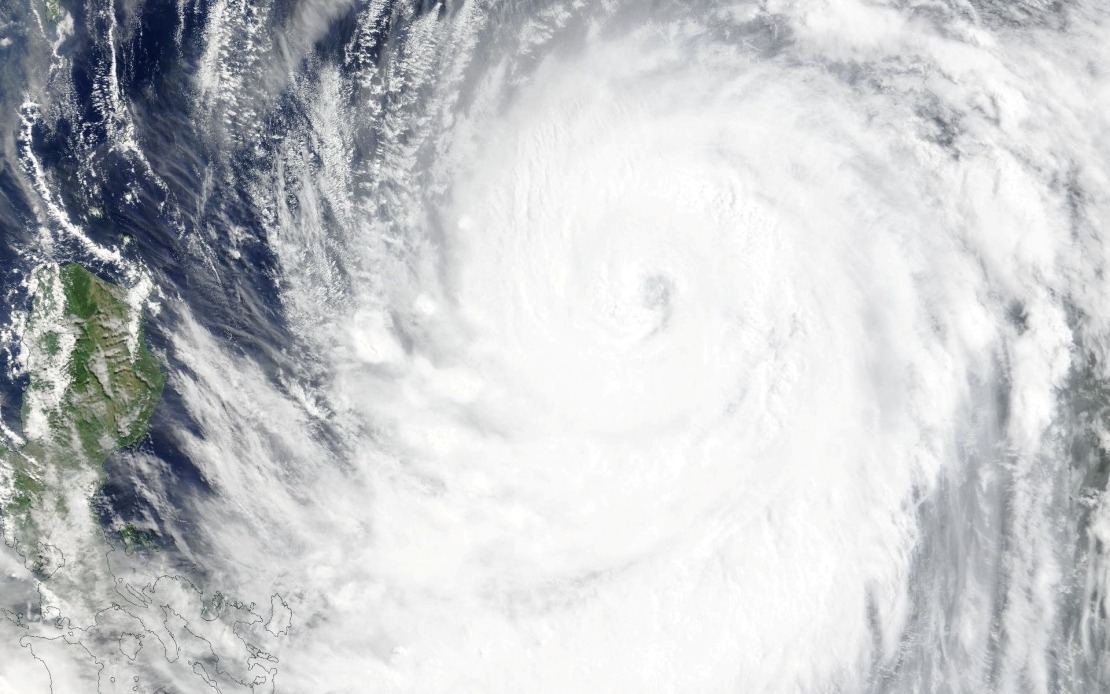
Taiwan's Central Weather Bureau issued a maritime warning on Thursday afternoon as Typhoon Bavi gathered strength while tracking toward the island nation, marking the ninth major tropical cyclone to affect the region this year. The alert, announced at 2.30 pm local time, applies to all waters in the northeastern and southeastern approaches to Taiwan, encompassing the smaller populated islands of Orchid Island and Green Island as well as the strategically important Bashi Channel that separates Taiwan from the Philippines. Officials flagged that a land-based warning would likely follow within hours as the storm continued its approach.
At the time of the warning's issuance, Bavi was positioned to the southeast of Eluanbi, Taiwan's southernmost point, and was advancing on a northwest trajectory. The meteorological centre's latest observations registered maximum sustained winds near the typhoon's core at 51 metres per second, with particularly dangerous gusts exceeding 63 metres per second recorded in isolated areas around the storm's centre. These wind speeds place Bavi in the upper range of typhoon intensity, capable of causing substantial structural damage and significant disruption to economic activity across the affected region.
Based on current atmospheric modelling and wind field predictions, meteorological analysts anticipate that Bavi will maintain its northwesterly course at a forward speed of 15 to 20 kilometres per hour. The projected path suggests the system will pass across the northern sections of Taiwan rather than making a direct landfall over the main population centres. Nevertheless, forecasters emphasised that the island can expect to experience conditions consistent with either a lower-strength powerful typhoon or an upper-range moderate-category typhoon, both capable of generating hazardous weather and significant impacts.
The approaching storm has already triggered substantial disruptions across Taiwan's transportation networks even before making landfall. Airlines operating services between Taiwan and Japan's Okinawa prefecture have largely suspended operations, with the majority of scheduled cross-strait flights cancelled as a precautionary measure. Beyond these regional routes, several longer-distance international air services have also been scrapped as carriers move aircraft to safer locations and reduce exposure to deteriorating conditions.
Maritime transport has similarly ground to a halt as ferry operators suspended passenger services across multiple established routes connecting Taiwan to outlying islands and nearby ports. The government has additionally placed mountain thoroughfares throughout the island under heightened alert status, advising vehicle operators to avoid these elevated regions due to the severe weather phenomena expected to sweep through higher elevations, including torrential rainfall, landslides, and severely reduced visibility.
For Malaysia and the broader Southeast Asian region, Bavi's development and track warrant close monitoring given the interconnected nature of regional transportation and trade networks. Taiwan's economic importance as a semiconductor manufacturing hub and logistics centre means disruptions there can have ripple effects across Asia-Pacific supply chains. The timing of typhoon season, which typically peaks between July and September across the Western Pacific, adds urgency to contingency planning for businesses with significant operational exposure to Taiwan.
The classification of Bavi as this year's ninth typhoon underscores the active nature of the 2020 Pacific typhoon season to date. Meteorologists continue to emphasise the need for residents and visitors in Taiwan to remain alert to official weather updates and to follow government guidance regarding movement restrictions and shelter-in-place measures. The combination of strong winds, heavy precipitation, and associated secondary hazards such as flooding and landslides presents multifaceted challenges for emergency management authorities.
Taiwan's disaster response infrastructure, honed by frequent exposure to typhoons throughout recorded history, has been activated to prepare shelters, pre-position rescue equipment, and brief emergency personnel on anticipated operational demands. Utilities have stockpiled supplies and positioned repair crews at strategic locations to address infrastructure damage and restore services expeditiously once the system passes. The island's experience with major tropical cyclones has produced mature early warning and response protocols that minimise loss of life, though economic losses from flooding and wind damage typically remain substantial.
For travellers and businesses with schedules involving Taiwan over the coming days, alternative routing and postponement of non-essential activities represent prudent courses of action. Insurance providers and logistics coordinators across the region are already processing disruption claims and rerouting shipments to avoid affected areas. The broader lesson from Bavi's approach reinforces the vulnerability of even developed, well-prepared economies to powerful natural phenomena and underscores the necessity for robust disaster preparedness and regional cooperation frameworks.

