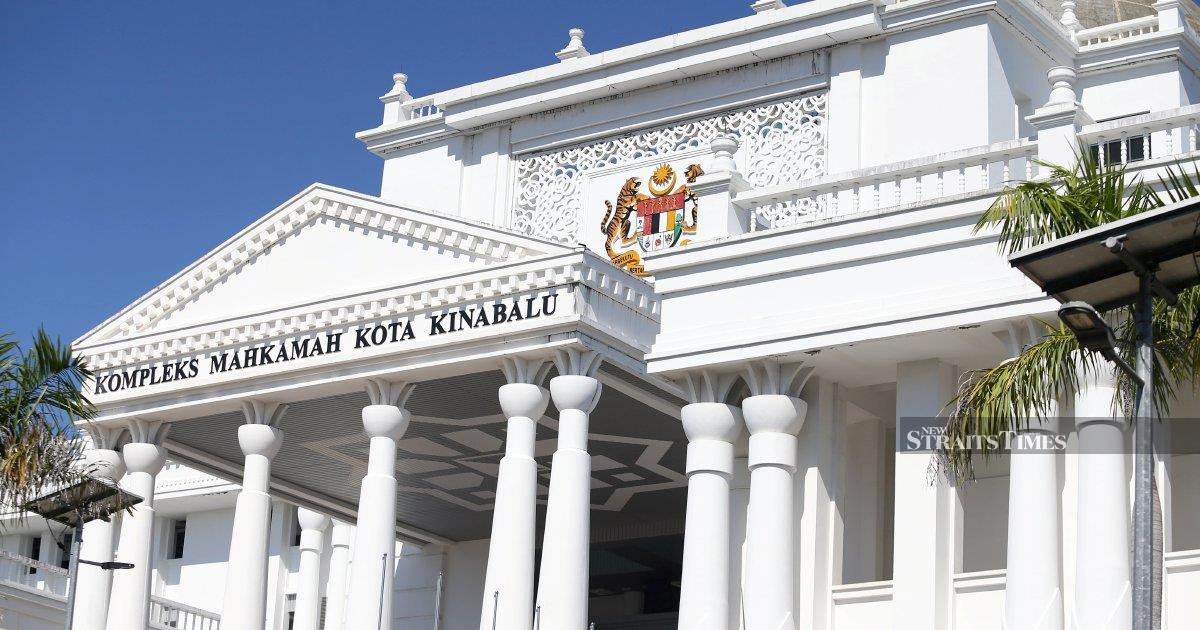
Two women appeared in the Sessions Court in Kota Kinabalu today to face charges related to an alleged traditional healing fraud that targeted multiple female victims. The accused were arraigned on three counts of criminal conspiracy to cheat, with prosecutors alleging they worked in concert to unlawfully deceive the complainants through fraudulent promises of healing services.
The charges reflect growing concerns across Malaysia about the exploitation of vulnerable individuals through wellness and alternative medicine schemes. Traditional healing practices, which hold deep cultural significance in Malaysian society, have increasingly become a vehicle for financial crimes targeting people seeking solutions for health problems, personal crises, or spiritual guidance. The conspiracy charges suggest this was not an isolated incident but rather a deliberate, coordinated effort to systematically defraud multiple people.
Criminal conspiracy charges carry particular weight in Malaysian law because they require prosecutors to demonstrate not merely that fraud occurred, but that the accused parties actively planned and executed their deception together. This legal approach reflects the judiciary's recognition that organised scam networks pose a more serious threat to public safety than individual acts of fraud. The fact that three separate victims were identified indicates the operation may have been running for some time before authorities intervened.
Traditional healing services occupy a complex position in Malaysian life. Many people rely on practitioners of Malay, Chinese, and Indian traditional medicine systems, particularly for ailments that modern medicine struggles to address. This cultural legitimacy creates an environment where scammers can more easily gain trust, leveraging genuine practitioners' reputation to extract money from desperate individuals. The alleged scheme's use of healing claims specifically targets people at their most vulnerable—those dealing with illness, grief, or unresolved health issues.
The arrest and subsequent court appearance represent a significant enforcement action by Sabah authorities. Law enforcement agencies across Malaysia have intensified scrutiny of fraudulent wellness practitioners in recent years, responding to mounting public complaints and awareness campaigns. However, scammers continue to adapt their tactics, often operating through word-of-mouth networks and social media platforms, making them difficult to detect until multiple victims emerge and report the fraud.
From a consumer perspective, this case underscores the importance of exercising caution when engaging traditional healing practitioners, particularly those promising miraculous cures or requesting substantial upfront payments. Legitimate practitioners typically operate transparently, maintain verifiable credentials, and charge fees proportionate to services rendered. Victims of such scams often report feeling ashamed of their experience, which can delay reporting and allow perpetrators to continue their activities undetected.
The Malaysian government and consumer protection bodies have worked to distinguish between legitimate traditional medical practitioners and fraudsters. The Traditional and Complementary Medicine Division under the Ministry of Health maintains registries of qualified practitioners, yet many unlicensed operators continue to function. Educational initiatives encouraging public skepticism toward unverified health claims have had limited impact, as many victims remain convinced of the practitioner's sincerity even after losing money.
For Malaysian readers and the broader Southeast Asian context, this case demonstrates how fraud targeting cultural practices creates additional layers of complexity. Unlike scams that prey on technological ignorance or commercial naivety, wellness fraud exploits cultural values and spiritual beliefs that remain central to community identity. This makes victims particularly reluctant to report cases, fearing judgment or shame, thus perpetuating the cycle of offences.
The court proceedings will likely provide crucial evidence about how such operations function operationally. Investigators will present documentation of payments, communications between the accused, and testimony from victims establishing the systematic nature of the fraud. Such details not only secure convictions but also provide law enforcement with insights into scam networks' operational structures, helping prevent similar schemes from taking root.
Successful prosecution in these cases depends heavily on victims' willingness to cooperate with authorities and testify. The emotional toll of recognising oneself as fraud victim, combined with social stigma, frequently discourages follow-through. The visibility of this court case may encourage other victims to come forward, potentially uncovering additional offences and broader networks.
Looking ahead, this case highlights the need for continued cooperation between law enforcement, consumer protection agencies, and traditional medicine associations to establish clearer professional standards and accountability mechanisms. Education campaigns targeting potential victims, combined with investigation of unlicensed practitioners advertising on social media platforms, represent essential strategies for combating organised wellness fraud.
The Sessions Court's handling of these charges will set important precedent for how Malaysian courts treat organised wellness fraud. Judges' willingness to impose meaningful sentences in such cases can serve as deterrent, signalling that such operations carry serious legal consequences. As scam networks become increasingly sophisticated, regulatory and enforcement frameworks must evolve correspondingly to protect Malaysian consumers.

