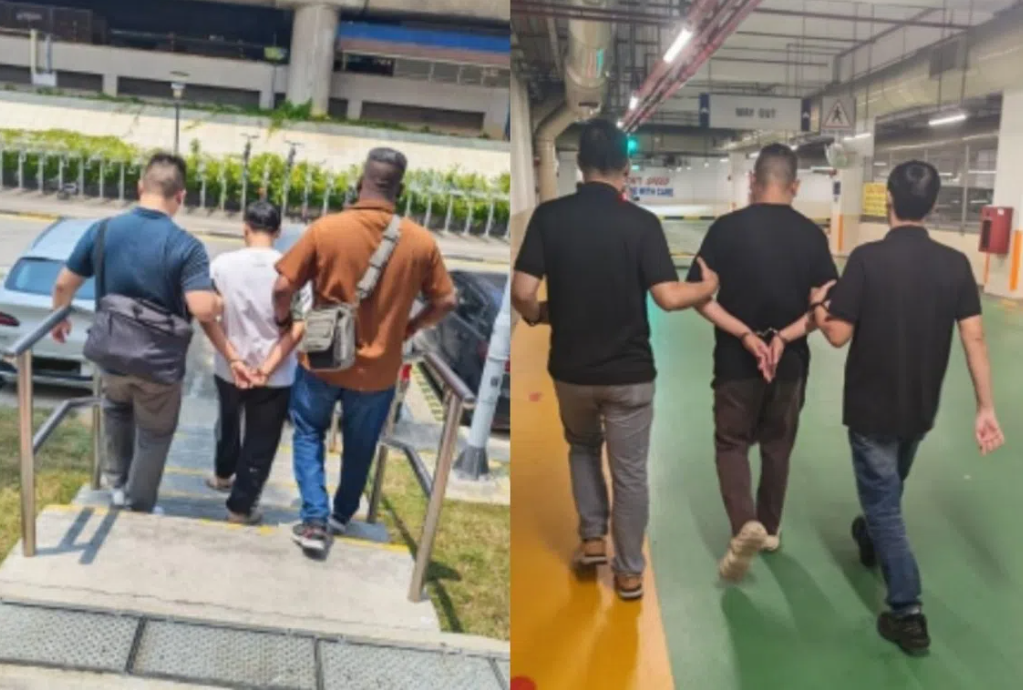
Singapore authorities have arrested two Malaysian employees working at mobile phone retail outlets in connection with a sophisticated identity theft operation that leveraged compromised Singpass credentials to establish fraudulent digital payment accounts. The suspects, aged 25 and 47, were detained on Tuesday, August 25, as part of an ongoing investigation into a wider syndicate engaged in harvesting scam earnings through illicit financial channels.
The operation exploited a vulnerability in customer trust and point-of-sale interactions. One suspect allegedly manipulated customers seeking routine assistance with Singpass account updates—particularly those purchasing SIM cards—to covertly obtain their login credentials. Rather than performing the requested legitimate service, the individuals used these stolen credentials to establish LiquidPay accounts, a digital wallet service operated by Singapore-based Liquid Group, without the account holders' consent or knowledge. This method demonstrates how fraudsters can weaponise routine consumer transactions and the access points they provide.
Investigations have uncovered the scale of the breach. Police identified more than 170 Singaporean citizens and foreign workers whose Singpass accounts had been compromised through this scheme. The compromised credentials facilitated the creation of over 160 additional LiquidPay accounts, expanding the syndicate's financial infrastructure far beyond the initial victims. The sheer volume suggests this was not opportunistic crime but rather an organised operation with multiple layers and participants.
The financial trail reveals the criminal purpose behind account creation. Since early March 2026, at least 20 Singapore citizens and work permit holders have come under police scrutiny for their involvement in registering these fraudulent LiquidPay accounts. These accounts collectively received approximately $110,063 in proceeds traceable to various scam operations, indicating the accounts served as money laundering conduits converting scam earnings into ostensibly legitimate digital payment balances.
The investigation culminated from coordinated effort between Singapore's law enforcement and technology agencies. The Cyber Command division of Singapore Police Force worked alongside the Singpass Trust & Safety team at the Government Technology Agency of Singapore to map the fraud network and identify perpetrators. This collaborative approach underscores how modern financial crime transcends traditional police boundaries and requires integration of cyber intelligence with conventional investigative methods.
The charges reflect the severity of the conduct. Both Malaysians will face court on August 27 on charges of assisting another to retain benefits from criminal conduct, a substantive offence under Singapore law carrying potential imprisonment up to 10 years, maximum fines of $500,000, or both. This sentencing range indicates judicial recognition that the defendants were not minor participants but served meaningful roles in a larger criminal enterprise.
The investigation has also identified a secondary layer of criminal liability. Police are pursuing cases against Singaporeans who voluntarily surrendered their Singpass credentials to the syndicate, understanding these individuals enabled the compromise of their own accounts. While this appears less culpable than active credential theft, the legal framework treats it seriously—maximum three-year imprisonment and $10,000 fines apply to those found guilty. This approach attempts to discourage citizens from knowingly participating in financial schemes regardless of whether they actively perpetrate the fraud.
For Malaysia and the broader Southeast Asian region, this case illustrates how cross-border criminal networks exploit employment patterns and geographic proximity. Malaysian nationals working in Singapore's retail sector became vectors for fraud targeting Singapore citizens. The incident reflects the importance of employment vetting, customer verification protocols, and staff training in financial security awareness, particularly for workers handling sensitive customer transactions or information.
The case also reveals vulnerabilities in digital identity systems. Singpass, Singapore's government-issued digital identity credential, proved susceptible to compromise through social engineering rather than sophisticated cybersecurity attacks. Criminals exploited the trust inherent in customer service interactions to extract authentication details. This suggests that even government-backed identity systems require additional layering of authentication security and real-time monitoring of unusual account activity patterns.
Broader implications extend to fintech regulation and anti-money laundering oversight. LiquidPay accounts became vehicles for scam proceeds circulation, highlighting how digital payment platforms can be weaponised despite their legitimate commercial purpose. Financial institutions and payment service providers face mounting pressure to implement sophisticated know-your-customer verification, transaction monitoring, and suspicious activity reporting that goes beyond basic regulatory minimum standards.
The investigation remains ongoing with respect to other syndicate members and the original scammers whose fraudulent activities generated the $110,063 funnelled through these accounts. Authorities are likely pursuing upstream actors who orchestrated the initial scams as well as downstream money launchers who converted digital wallet balances into usable currency. This multi-jurisdictional dimension—involving potential offenders across Singapore, Malaysia, and potentially other nations—complicates prosecution but remains essential for disrupting the entire criminal ecosystem.

