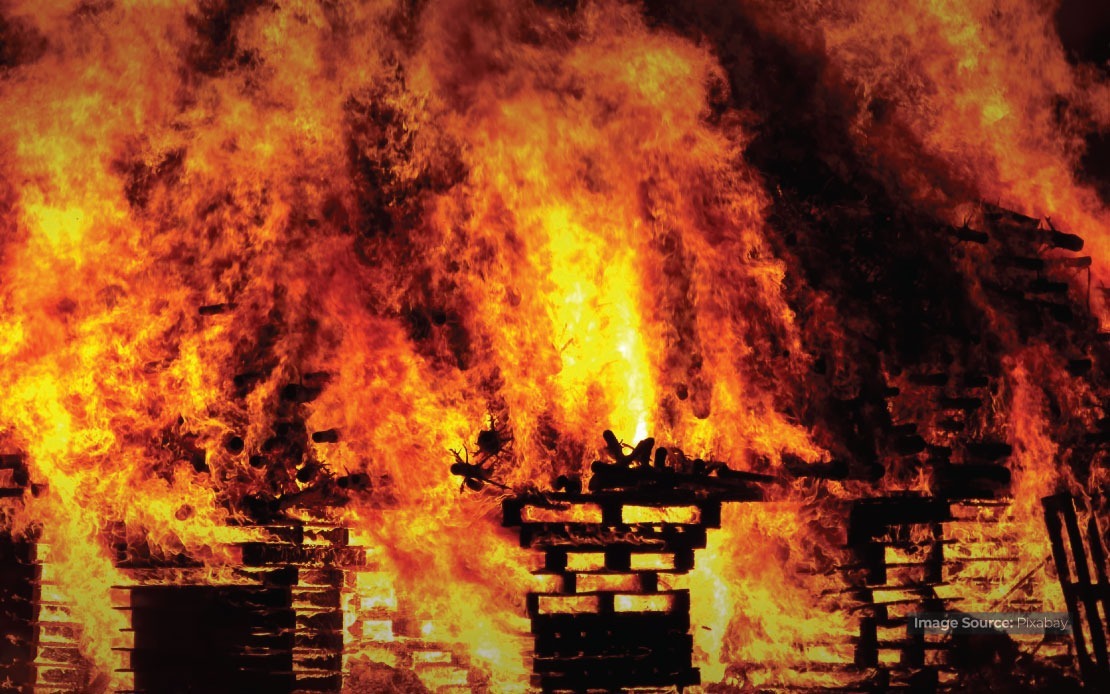
A devastating fire tore through a residential building in Schaerbeek, a municipality within the Brussels-Capital Region, claiming two lives and leaving eight others hospitalised in the early hours of Sunday. The incident prompted immediate activation of municipal emergency protocols as firefighters and rescue teams scrambled to contain the blaze and extract trapped residents from the burning structure.
Among the eight injured, two sustained particularly severe injuries requiring intensive medical attention across regional hospitals. All victims were transported to various medical facilities throughout Brussels-Capital Region following their extraction from the affected building. The rapid response of emergency services likely prevented additional casualties, though the fire's sudden outbreak caught many residents off guard during the early morning hours when evacuation typically proves most challenging and dangerous.
The specific origin of the fire remains shrouded in uncertainty at this stage, with investigators still working to piece together the sequence of events that led to the conflagration. Recognising the gravity of the incident and the need for thorough forensic examination, the public prosecutor's office moved swiftly to launch a formal investigation. A specialised laboratory team and independent fire expert have been tasked with conducting a comprehensive examination of the scene, collecting evidence and interviewing witnesses to reconstruct how the fire started and the conditions that allowed it to spread rapidly through the residential complex.
Schaerbeek's acting Mayor Martin de Brabant moved decisively to manage the crisis response, declaring a municipal emergency phase that enabled comprehensive coordination between local government departments and emergency services. This administrative action streamlined communication channels and allowed rapid mobilisation of resources normally reserved for major incidents. Municipal services swung into action to accommodate evacuated residents, setting up temporary shelter arrangements and establishing facilities to process those displaced by the disaster.
The coordinated response extended beyond immediate firefighting and rescue operations. Both municipal authorities and the Brussels Fire Brigade issued a joint commitment to provide comprehensive assistance to affected residents encompassing medical care, psychological support for trauma survivors, and material aid to replace destroyed belongings. This multi-faceted approach acknowledges that recovery from such incidents involves far more than initial emergency response—residents often experience lasting psychological effects and material losses requiring sustained institutional support.
For Malaysian observers monitoring European emergency management, this incident illustrates how developed European infrastructure and established crisis protocols enable relatively rapid coordination across multiple government agencies. The appointment of specialist investigators and laboratory teams demonstrates the investigative rigour typically applied to fatal incidents in European jurisdictions, contrasting with varying standards across different countries. Such fires in densely populated urban residential areas present particular challenges given the compressed timeframes for evacuation and the difficulty of reaching residents in upper-storey apartments.
The Brussels incident underscores universal vulnerabilities in residential fire safety regardless of development level. Early warning systems, emergency stairwell access, and rapid evacuation procedures form critical barriers against tragedy. The concentration of casualties in a single building suggests potential deficiencies in either building safety standards or resident awareness, themes that resonate across Southeast Asian cities experiencing rapid urbanisation and increasing residential density.
Investigators will likely examine whether the building met current fire safety regulations, whether smoke detection systems functioned properly, and whether evacuation routes remained unobstructed. Such findings frequently trigger policy discussions about retrofitting older buildings, upgrading detection systems, and imposing stricter enforcement of safety codes. The thoroughness of European investigations often leads to published findings that shape building codes across multiple jurisdictions.
The incident also highlights the emotional and social dimensions of major disasters beyond casualty statistics. Families separated during evacuation, residents losing homes and possessions, and survivors processing trauma require sustained attention from social services and community organisations. Schaerbeek's decision to deploy psychosocial support teams reflects contemporary understanding that effective disaster response extends well beyond the initial emergency phase into the months of recovery that follow.
As investigation proceeds, the findings will likely inform discussions about fire safety standards not only in Belgium but potentially across European Union jurisdictions that share building code frameworks. Any systemic deficiencies identified could trigger broader policy reviews and retrofitting programmes affecting thousands of similar residential structures throughout Brussels and beyond. For developing nations in Southeast Asia, such incidents and subsequent investigations provide valuable lessons about preventive measures that need not require excessive financial resources but rather improved enforcement of existing standards and greater public awareness of evacuation procedures.

