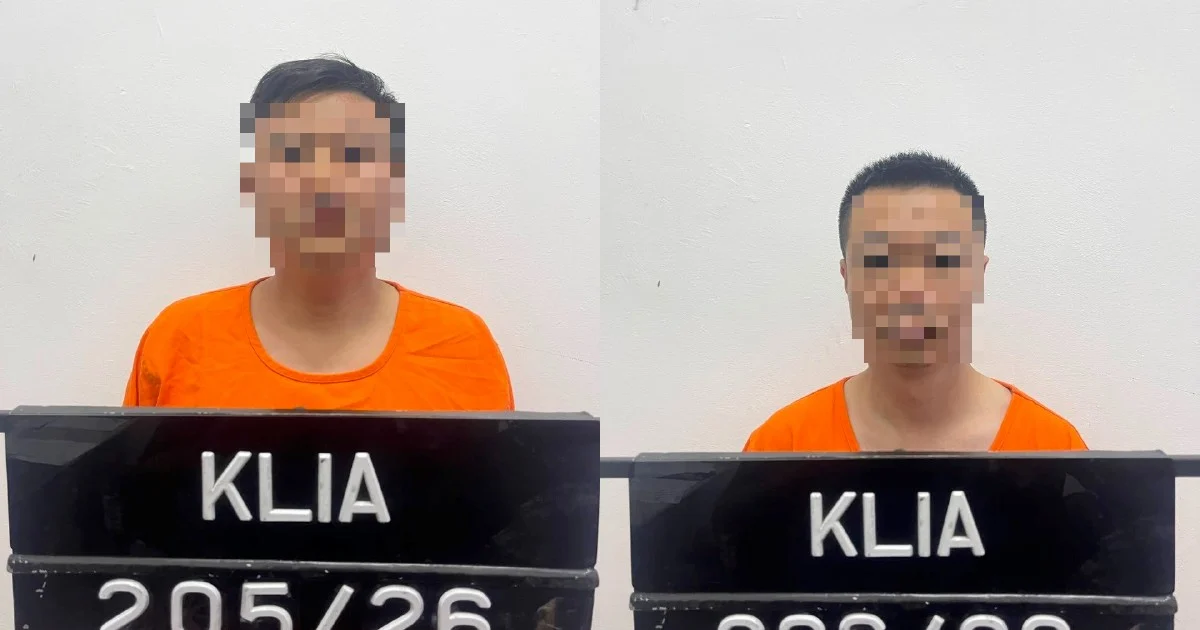
Two Chinese men remain in custody as authorities investigate what police describe as an attempted theft that allegedly occurred during a passenger flight from Dili, Timor-Leste, to Kuala Lumpur International Airport. The four-day remand order, issued in Sepang, reflects the seriousness with which Malaysian law enforcement is treating the incident, which unfolded in the confined environment of an aircraft cabin at cruising altitude.
The case raises fresh concerns about security vulnerabilities during commercial air travel, particularly on regional routes connecting Southeast Asia. While in-flight theft remains relatively uncommon given the controlled environment and presence of flight crew, the alleged attempt highlights the potential for criminal activity even within one of the most regulated transportation environments. The incident occurred on a route that carries considerable passenger traffic, with numerous airlines operating between the East Timorese capital and Malaysia's primary aviation hub.
Malaysian authorities have prioritised the investigation despite the cross-border complications that often accompany cases involving foreign nationals. The four-day remand period allows investigators time to conduct detailed interviews, review flight records, examine passenger manifests, and interview crew members who would have witnessed any suspicious activity. The specific nature of the alleged theft—what items were targeted and whether any property was successfully taken—remains undisclosed at this stage of the investigation.
The timing of the incident bears relevance for Malaysia's tourism and aviation sectors. KLIA serves as a major regional hub connecting Southeast Asia with international destinations, and any security concerns, real or perceived, can affect passenger confidence and airline operations. Airlines operating into the airport maintain rigorous safety protocols, but the allegation suggests that determined individuals may attempt to exploit the inherent vulnerabilities of commercial aviation.
Timor-Leste, as a developing nation and relatively young independent state, maintains aviation links with Malaysia through multiple carriers. The route between Dili and Kuala Lumpur represents an important economic corridor for both countries, facilitating business travel, tourism, and diplomatic exchange. An incident aboard this particular route could warrant enhanced coordination between aviation authorities in both nations regarding passenger screening and in-flight security measures.
The decision to remand the suspects rather than grant bail indicates that investigating officers view them as flight risks or believe they may interfere with the investigation. This approach is standard in Malaysia when dealing with foreign nationals suspected of crimes, particularly those with no established local ties or residence. The four-day window provides police adequate time to gather preliminary evidence and determine whether charges will be filed.
Investigators will likely examine surveillance footage from airport terminals, review baggage records, and interview the flight crew and fellow passengers regarding the alleged incident. Aircraft security procedures, including the behaviour of crew members in detecting and responding to suspicious activity, will form part of the investigative focus. The nature of any stolen or allegedly attempted-to-be-stolen items could provide crucial leads.
Regional aviation authorities maintain standing protocols for addressing in-flight incidents, but enforcement varies across different carriers and routes. Malaysia's aviation regulator, the Department of Civil Aviation, sets standards that apply to all operators using Malaysian airspace and airports. If the investigation reveals systemic security gaps, recommendations could lead to tighter in-flight procedures across regional carriers serving KLIA.
The case also underscores the multinational challenges facing law enforcement in Southeast Asia. While Malaysia has primary jurisdiction over incidents occurring within its airspace or involving its airports, coordinating with Chinese authorities regarding the suspects' backgrounds and criminal histories adds another layer of complexity. Information sharing between nations on this matter could prove essential for building a comprehensive case.
As the remand period progresses, prosecutors will determine the appropriate charges. Depending on the value of items involved and the specific circumstances, charges could range from attempted theft to misusing commercial aviation services or endangering passenger safety. The legal framework governing in-flight offences in Malaysia provides for varying penalties depending on the severity of the conduct.
Passenger security and crew vigilance remain the primary defences against such incidents. Flight attendants receive training to identify suspicious behaviour and respond appropriately while maintaining passenger safety. The alleged theft attempt, should it be substantiated through investigation, may prompt airlines to review their staff training protocols and passenger management procedures on regional routes.
The outcome of this case will likely influence future security discussions within Malaysia's aviation industry and potentially across Southeast Asian carriers. Whether charges are ultimately filed, and what those charges entail, will signal how seriously authorities treat alleged in-flight criminal activity. For now, the four-day remand period offers police the investigative window necessary to establish facts and build their case against the two suspects.