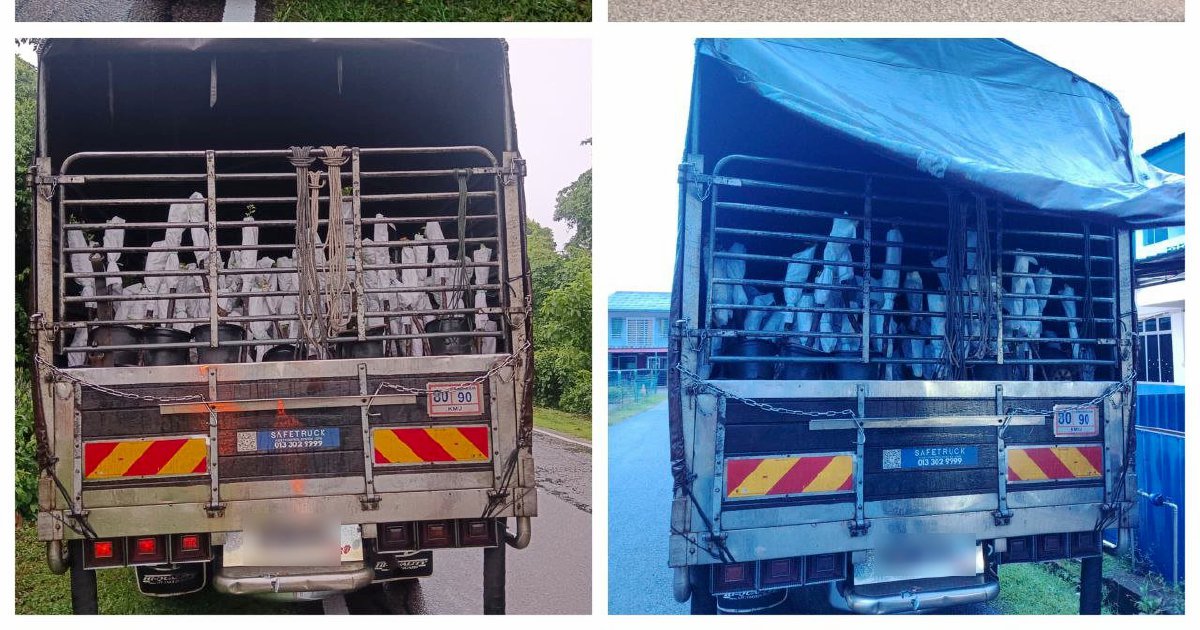
A significant smuggling operation was intercepted at Rantau Panjang yesterday when customs and border officials apprehended a lorry driver and his attendant transporting RM85,000 worth of plant saplings illegally brought in from Thailand. The seizure underscores the persistent challenges Malaysian enforcement agencies face in combating contraband flora across the porous Thailand-Malaysia border, where sophisticated smuggling networks continue to exploit cross-border trade routes for prohibited agricultural goods.
The operation, conducted at the border checkpoint, revealed an organised attempt to move large quantities of saplings into Malaysia without proper documentation or authorisation. The cargo comprised various species of young plants destined for the domestic market, where demand for landscaping and horticultural materials remains strong among commercial and residential developers. The estimated value of the confiscated consignment reflects the substantial profit margins involved in illicit plant smuggling, which has become increasingly lucrative as legitimate botanical imports face stricter regulatory controls and taxation.
Plant smuggling represents a complex border security issue that extends beyond simple commercial smuggling. The illegal movement of fauna and flora across international boundaries poses environmental risks, as unregulated plant species can establish themselves in new ecosystems and potentially disrupt local biodiversity. Additionally, smuggled plants bypass mandatory phytosanitary inspections designed to prevent the introduction of pests, diseases, and invasive species that could damage Malaysia's agricultural sector and natural environment. These regulatory frameworks exist to protect both the local flora and the livelihoods of licensed nursery operators competing on a level playing field.
The Rantau Panjang checkpoint, located in Kelantan state along the major highway corridor connecting Thailand and peninsular Malaysia, has become a focal point for enforcement efforts. The region experiences consistent smuggling attempts across multiple categories of contraband, from textiles to electronics, making it one of the country's busiest interdiction zones. The authorities maintain enhanced surveillance and checkpoint operations here, yet the sheer volume of daily cross-border traffic and the ingenuity of smuggling syndicates create an ongoing cat-and-mouse dynamic that strains resources.
The arrest of both the driver and attendant suggests a coordinated operation rather than isolated trafficking. Enforcement officials typically investigate the supply and demand chains connected to such seizures, seeking to identify the networks organising the smuggling operation. These investigations often reveal connections to organised smuggling syndicates that operate across Thailand and Malaysia, purchasing saplings from Thai suppliers at low cost and distributing them through illegal channels to buyers in Malaysia who seek to bypass official import procedures and associated costs.
From a regulatory standpoint, the case illustrates why Malaysia maintains strict controls on botanical imports. The country's Department of Agriculture works in tandem with customs authorities to enforce phytosanitary standards and prevent the entry of unauthorised plant species. Licensed nurseries and importers must follow established protocols, including obtaining permits, submitting plants for inspection, and adhering to quarantine requirements. These measures protect local nursery businesses and ensure ecosystem integrity, though they also increase the operational costs that create economic incentives for smugglers to bypass official channels.
The broader context of this seizure involves Thailand's thriving horticultural industry, which supplies both domestic and export markets. While legitimate cross-border plant trade occurs regularly through official channels, the price differential between Thai wholesale rates and Malaysian retail markets creates profitable margins for illegal operators. Saplings sourced directly from Thai nurseries at low cost can be resold in Malaysia at substantial markups when distributed outside the formal market structure, appealing to retailers and landscapers seeking to reduce input costs.
For Malaysian enforcement agencies, operations like this one require coordination across multiple departments and sufficient personnel deployment at key checkpoints. The Royal Malaysian Customs Department, immigration officials, and agricultural inspectors must work in concert to identify suspicious cargo and verify documentation. The effort demands vigilance, as smugglers continuously adapt their tactics—changing routes, concealing contraband within larger shipments, or using deceptive labelling to evade detection. The successful interdiction at Rantau Panjang demonstrates that surveillance and enforcement capabilities do function effectively at critical junctures, yet the steady flow of seizure reports indicates that many smuggling attempts likely succeed undetected.
The legal consequences facing the arrested driver and attendant could include charges under customs and agricultural regulations, potentially resulting in fines and imprisonment depending on the jurisdiction and specific offences. Such penalties are designed as deterrents, though their effectiveness depends partly on the likelihood of detection and the perceived severity of consequences relative to potential profits. Malaysian authorities have periodically increased penalties and enhanced enforcement operations to raise the perceived risk of smuggling, though limited resources and the transnational nature of organised smuggling networks continue to present structural obstacles to comprehensive interdiction.
Looking forward, this seizure reflects the ongoing importance of border security and enforcement at Malaysia's northern frontier. As demand for landscaping materials grows alongside economic development, particularly in Klang Valley and other urban expansion areas, the market incentives for plant smuggling are likely to persist. Strengthening cooperation with Thai authorities, investing in intelligence-gathering capabilities, and modernising checkpoint technology may help increase detection rates. Simultaneously, addressing the regulatory burden on legitimate importers could reduce the economic incentive for illegal alternatives, though such policy adjustments require careful consideration of environmental and economic trade-offs.

