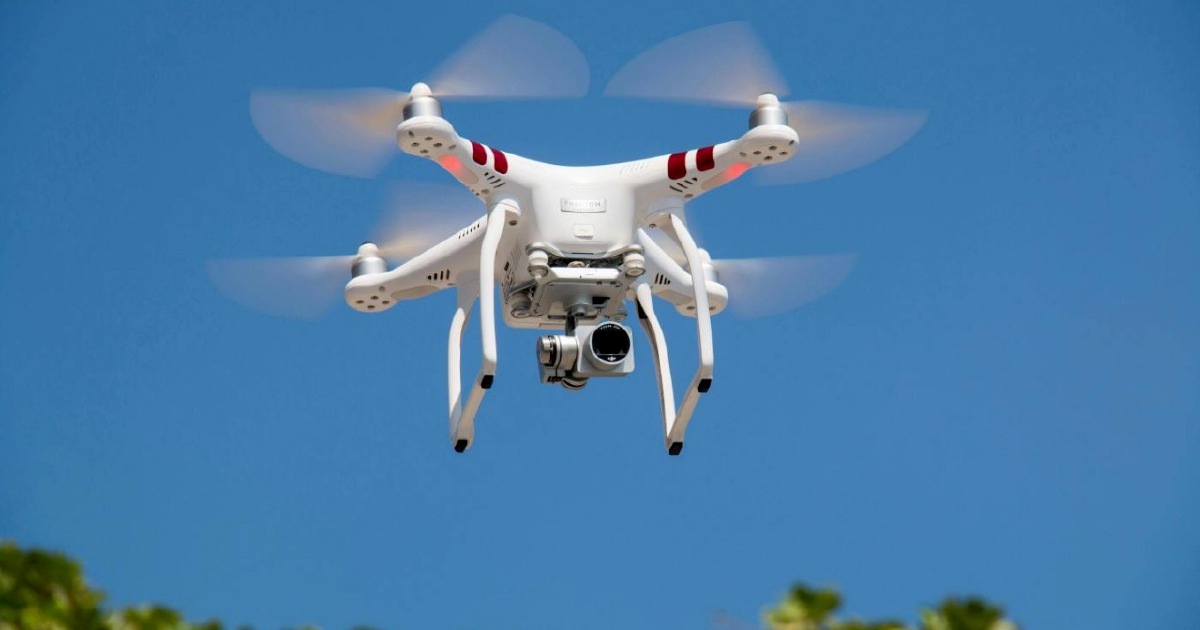
Police in Melaka have apprehended two suspects in connection with an alleged attempt to smuggle tobacco products into Sungai Udang Prison using drone technology. The arrests followed a raid on a residential property located in Taman Kris Satria, Sungai Udang, conducted on Wednesday as part of an ongoing investigation into illicit contraband operations targeting the correctional facility.
The incident underscores a troubling trend of criminal ingenuity in circumventing prison security measures across Malaysia. Drones have emerged as a preferred tool for smugglers attempting to bypass traditional perimeter defences, particularly in delivering high-demand contraband items to inmates. The use of unmanned aerial vehicles represents a fundamental shift in how organised crime networks approach penitentiary supply chains, creating enforcement challenges for prison administrators and law enforcement alike.
Tobacco products remain among the most sought-after items within Malaysian correctional institutions, commanding premium prices in underground prison economies. The contraband trade generates substantial profits for both external smuggling networks and incarcerated individuals who function as intermediaries. This economic incentive has prompted increasingly sophisticated smuggling attempts, with criminals investing in technology that minimises the risk of detection through traditional checkpoints and physical inspections.
The Sungai Udang facility, one of Melaka's major correctional institutions, houses a significant inmate population and has historically faced security challenges related to contraband introduction. Prison authorities have implemented multiple layers of physical security, including perimeter fencing and surveillance systems, yet drone operations circumvent many conventional defences by approaching from airspace typically less monitored than ground-level entry points. The facility's location and surrounding urban environment may provide smugglers with operational advantages for launching small unmanned aircraft.
Investigators have not yet disclosed the specific quantity of tobacco products targeted in this operation or whether the drone successfully completed a delivery before the intervention. The level of planning evident in the scheme—requiring coordination between external operatives and potential internal facilitators within the prison—suggests an organised network rather than isolated criminal activity. Such operations typically involve multiple participants handling different functions, from procurement and drone operation to coordination with recipients inside the facility.
Law enforcement agencies across Southeast Asia have increasingly reported drone-related smuggling incidents at correctional facilities, prisons, and border areas. The technology remains relatively affordable and accessible to criminal organisations while presenting disproportionate detection and interdiction challenges for authorities. Prison services throughout the region have responded by upgrading surveillance capabilities and deploying counter-drone technologies, though widespread implementation remains limited by budgetary constraints.
The investigation into this Sungai Udang incident will likely examine the suspected smugglers' operational methods, including how they identified timing windows for drone deployment, coordinated with potential recipients inside the prison, and sourced their equipment. Authorities will also seek to identify whether this represents an isolated attempt or part of a broader pattern of contraband introduction affecting the facility. Intelligence gathered during interrogation could reveal details about the network's structure and other potential targets or operations.
From a broader security perspective, the case highlights vulnerabilities in how correctional institutions adapt to evolving criminal methodologies. While traditional prison security—including visitor screening, package inspection, and perimeter controls—remains effective against conventional smuggling methods, emerging technologies require proactive updating of defence strategies. Prison administrators must balance operational costs with security imperatives while facing resource limitations that constrain investment in counter-drone systems and advanced monitoring capabilities.
The implications for Malaysian correctional services extend beyond Sungai Udang Prison. If this methodology proves successful for smugglers, other facilities may become targets for similar operations. The national prison system has acknowledged ongoing challenges in controlling contraband flow, recognising that eliminating contraband entirely remains virtually impossible given the incentive structures and ingenuity of criminal networks. Strategic responses must therefore focus on risk mitigation and harm reduction rather than pursuing unrealistic elimination objectives.
For inmates, contraband tobacco represents both a commodity with street value and a personal consumption item that provides psychological relief within the prison environment. Demand from this population ensures that smuggling networks will continue developing and refining their methods. The economic dynamics of prison contraband markets—where supply constraints dramatically inflate prices—create powerful incentives for increasingly sophisticated supply mechanisms.
The police investigation now proceeds to determine whether the two arrested individuals will face charges under drug and contraband-related statutes, or under additional provisions pertaining to unauthorised drone operation and conspiracy. Penalties for smuggling into correctional facilities typically carry substantial sentences, reflecting the seriousness with which Malaysian courts treat breaches of prison security. Successful prosecution will depend on evidence gathered during the raid and subsequent forensic analysis of equipment and communications.
Moving forward, the incident serves as a reminder that correctional security requires continuous adaptation to technological advancement. As criminal organisations invest in new tools and methodologies, prison authorities and law enforcement must maintain corresponding vigilance. Interagency coordination between police, prison services, and aviation authorities becomes increasingly critical for identifying and preventing drone-related contraband operations before they compromise facility security or supply prohibited items to incarcerated populations.

