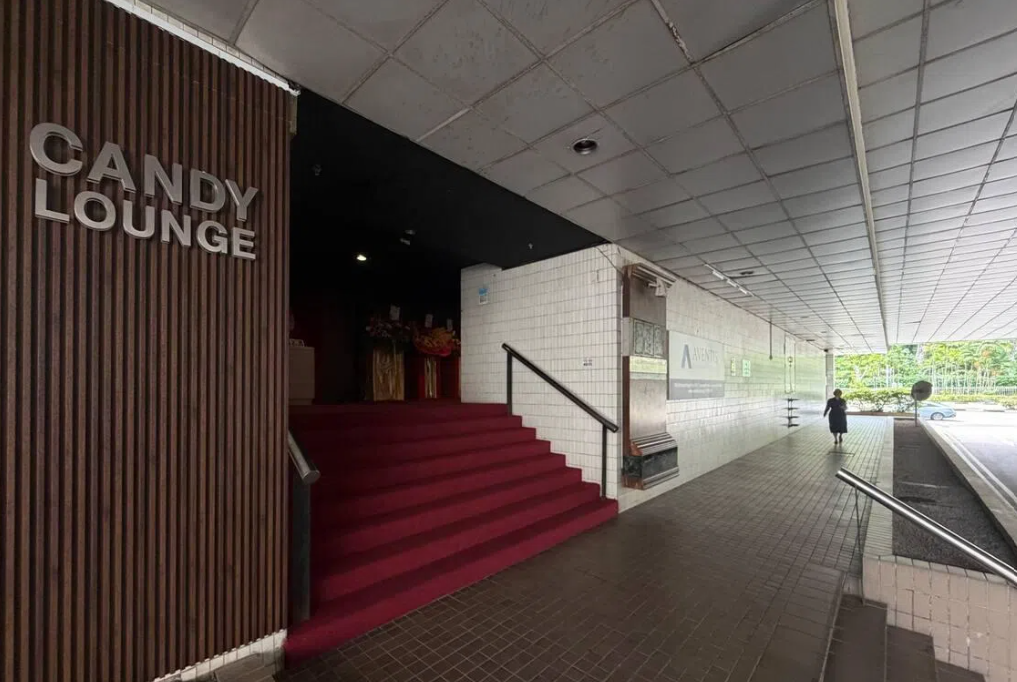
A confrontation outside a nightclub in Singapore's bustling Orchard Road district has resulted in two arrests and multiple hospitalizations, highlighting ongoing concerns about street violence in the city-state. The altercation unfolded in the pre-dawn hours of Thursday near the intersection of Orchard Road and Buyong Road, prompting emergency responses from both the police and Singapore Civil Defence Force after a distress call arrived around 3am.
Authorities discovered four injured men, each aged 38, at the scene when officers arrived. Three sustained laceration wounds while the fourth experienced less severe injuries. All four were transported to Tan Tock Seng Hospital while conscious and stable. The police subsequently identified and apprehended two men, aged 25 and 27 respectively, on suspicion of voluntarily causing hurt through dangerous means. The 27-year-old suspect was also conveyed to the same hospital for treatment. Officers recovered a knife at the location, which has been seized as evidence in the ongoing investigation.
Accounts from Chinese-language media outlet Lianhe Zaobao suggest the violence erupted when two separate groups of patrons clashed outside the Candy Lounge nightclub. The altercation escalated dramatically during the confrontation, with reports indicating that at least one individual sustained a stab wound to the neck. The incident underscores how quickly social encounters in entertainment venues can spiral into serious physical violence, a pattern increasingly documented across urban nightlife districts throughout the region.
The Candy Lounge operates on a schedule that sees it open daily from 10pm until 3am, with extended operating hours until 4am on Saturdays and public holidays. This timing places the nightclub squarely within Singapore's late-night entertainment sector, an environment where alcohol consumption and crowded conditions can contribute to volatile situations. The timing of the incident—occurring just as the club was approaching its standard closing time—suggests the confrontation may have involved individuals either departing the venue or engaged in disputes that had originated inside.
When journalists from The Straits Times visited the area approximately six hours after the incident, the scene had returned to ordinary commercial activity. No police or emergency personnel remained visible, and vehicle traffic flowed normally through the junction. However, business owners operating in the nearby Orchard Plaza shopping complex indicated they had noticed nothing amiss that morning and received no notification from security personnel about the overnight disturbance. This disconnect between the incident and local awareness raises questions about communication protocols between law enforcement and neighbouring merchants in high-density commercial areas.
The incident arrives amid a broader trend of escalating weapon-related violence across Singapore. Official statistics reveal a notable surge in knife-involved crimes, with 75 such incidents documented during the first half of 2025—a significant jump from 59 cases during the equivalent period in 2024. This upward trajectory represents a 27 per cent increase year-on-year and has prompted increased scrutiny of security measures and enforcement strategies in entertainment districts and public spaces where such incidents cluster.
For Malaysian and Southeast Asian observers, the Singapore incident reflects challenges common across the region's urbanized entertainment quarters. Similar patterns of late-night violence have emerged in Kuala Lumpur's entertainment zones, Penang's bustling Georgetown district, and Bangkok's night markets, where the convergence of alcohol, youth populations, and crowded conditions creates environments susceptible to sudden escalation. The prevalence of knife-related violence particularly resonates, given comparable incidents documented in Malaysian cities and their associated public safety concerns.
The investigation remains active as police continue gathering evidence and witness statements. Authorities will likely scrutinize CCTV footage from surrounding businesses, conduct forensic analysis of the recovered knife, and interview the detained suspects and injured parties. The outcome of these investigations may influence future policing strategies around nightlife venues and inform discussions about venue management responsibilities in preventing or de-escalating conflicts.
The incident also raises practical questions about venue security and patron management. Nightclubs in major Southeast Asian cities increasingly employ security personnel, yet the efficacy of these measures in preventing weapons-related violence remains inconsistent. Whether the Candy Lounge had security staff present, and what protocols were followed during the altercation, may form part of police inquiries and could influence regulatory discussions about entertainment establishment licensing and operational standards.

