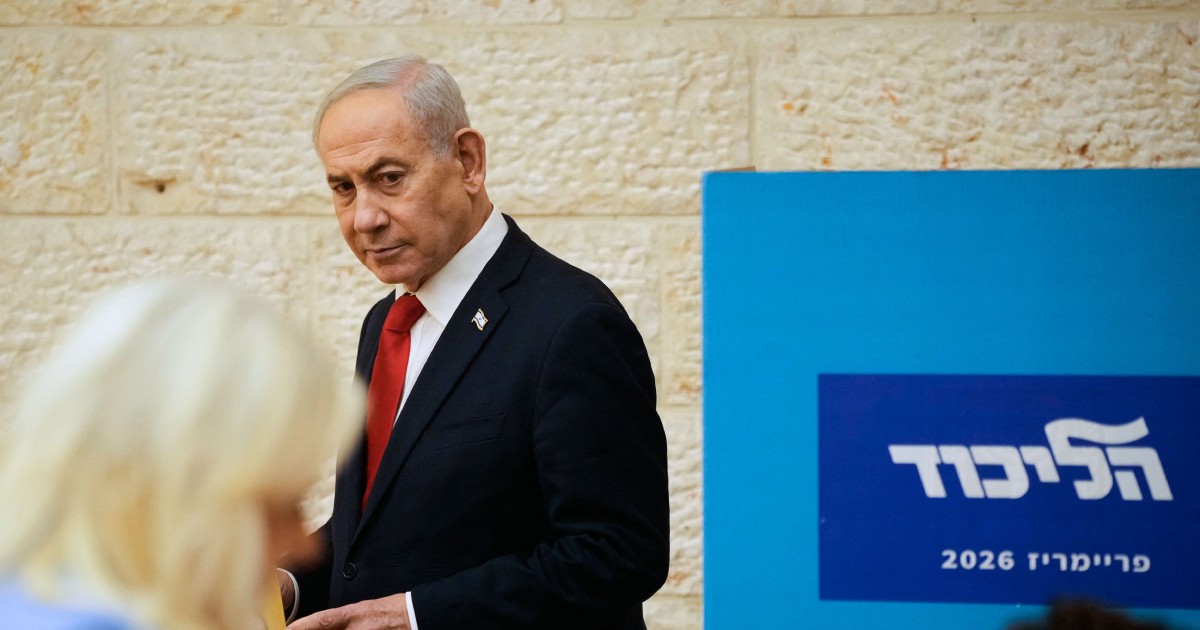
Turkey has escalated diplomatic tensions with Israel by issuing an international arrest warrant for Prime Minister Benjamin Netanyahu, Justice Minister Akin Gurlek disclosed on Friday. The warrant stems from an investigation into Israel's interception of a humanitarian aid flotilla intended for Gaza, marking a significant legal maneuver in the broader regional conflict over Palestinian territories.
The action reflects deepening strains between Ankara and Jerusalem, particularly regarding Israel's military operations in Gaza and restrictions on humanitarian assistance to the enclave. Turkey, under President Recep Tayyip Erdogan, has positioned itself as a vocal advocate for Palestinian rights and has maintained humanitarian corridors as a cornerstone of its Middle East policy. The warrant issuance demonstrates Ankara's willingness to employ legal and diplomatic channels to challenge Israeli actions it views as unlawful.
The flotilla interception that prompted this investigation likely refers to one of several incidents in which Turkish-led or Turkish-supported aid convoys attempting to breach the Israeli blockade of Gaza have been intercepted by Israeli naval forces. Such confrontations have historically inflamed relations between the two countries, with the most infamous precedent occurring in 2010 when Israeli commandos raided the Mavi Marmara, a Turkish vessel carrying humanitarian supplies, resulting in nine Turkish deaths and international outcry.
For Malaysian and Southeast Asian observers, this development carries implications for understanding how nations with significant maritime interests and humanitarian concerns navigate the Israel-Gaza conflict. Turkey's recourse to international legal mechanisms suggests that even NATO-aligned countries are willing to challenge Israeli policies through formal channels when they perceive violations of international law regarding humanitarian access and civilian protection.
The arrest warrant, though unlikely to result in Netanyahu's immediate apprehension given Israel's non-cooperation with such processes, represents a symbolic assertion of international legal authority. It positions Turkey within a growing coalition of nations questioning Israeli conduct in Gaza, though Turkey's approach remains more institutionalized than some other critics who have pursued cases through the International Court of Justice or International Criminal Court.
Israel's blockade of Gaza and control over its borders have long been contentious issues in international discourse. The humanitarian dimensions of aid delivery to Gaza resonate particularly in Southeast Asian nations with substantial Muslim populations, where public opinion often reflects concern for Palestinian civilians caught in the conflict. Turkey's action therefore carries broader regional resonance beyond bilateral Turkish-Israeli relations.
The announcement by Justice Minister Gurlek through social media underscores the public and political nature of Turkey's position. Rather than pursuing the matter quietly through diplomatic channels, Ankara chose to make the warrant public, signaling domestic political considerations alongside international legal positioning. This reflects the significant electoral and public opinion dimensions of Palestinian solidarity within Turkish politics.
Historically, Turkey has sought to balance its NATO membership and strategic relationship with Western powers against its geographical proximity to the Middle East and substantial Muslim population. Actions such as issuing arrest warrants for Israeli leaders complicate this balancing act, potentially inviting pressure from Western allies while demonstrating responsiveness to domestic constituencies and regional partners who oppose current Israeli policies.
The international arrest warrant framework, typically coordinated through Interpol, provides limited enforcement mechanisms against sitting heads of state, particularly those from countries with strong military and diplomatic capabilities. Nevertheless, such warrants can constrain travel, affect international standing, and create legal complications for the targeted individual should they face future prosecution in third countries. For Netanyahu, the warrant adds another layer to mounting legal pressures he faces, including domestic corruption charges in Israel.
The timing of this announcement may also reflect broader geopolitical calculations regarding Turkey's role as a potential mediator or stakeholder in Middle East peace processes. By demonstrating active opposition to Israeli actions through legal channels, Turkey reinforces its credibility with Palestinian authorities and regional actors opposed to current Israeli policies, while maintaining sufficient distance from more radical postures taken by other countries.
Regional analysts note that Turkey's move occurs within a context of fluctuating humanitarian conditions in Gaza and ongoing debates about international accountability for wartime conduct. The warrant issuance contributes to a growing body of legal and political challenges to Israeli actions, though translating such actions into concrete consequences remains constrained by geopolitical realities and the structure of international law enforcement.
Looking forward, the warrant may influence Turkey's diplomatic strategy toward Israel and shape public discourse within Turkey regarding Middle East policy. It also signals to regional actors that Turkey considers humanitarian access to Gaza a sufficiently serious matter to warrant formal legal action at the international level. For Southeast Asian states monitoring Middle Eastern developments, Turkey's approach illustrates how nations attempt to assert principles regarding humanitarian law while navigating complex alliance structures and strategic interests.

