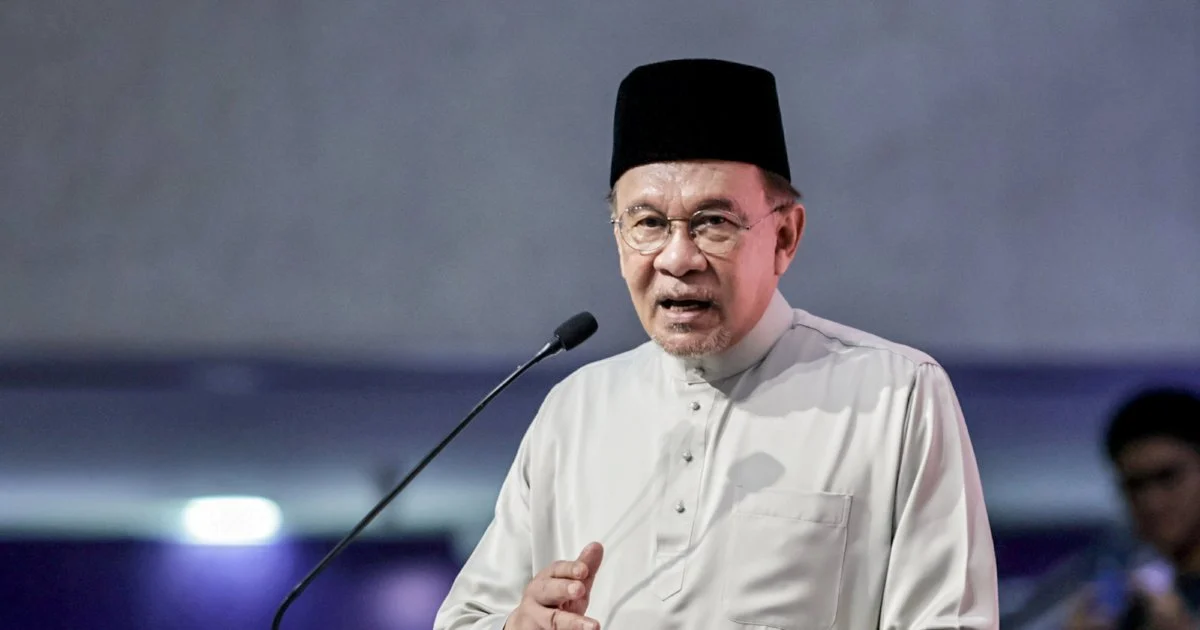
Prime Minister Datuk Seri Anwar Ibrahim has been received in audience by Tunku Ismail Sultan Ibrahim, the Tunku Mahkota of Johor, during a meeting held in Kuala Lumpur. The engagement between Malaysia's chief executive and the heir to the Johor throne took place in an atmosphere characterised by cordiality and mutual respect, according to accounts of the encounter.
The gathering represents another instance of formal engagement between the federal government and Johor's royal household, reflecting the established protocols through which senior state rulers and their designated successors interact with Malaysia's political leadership. Such audiences serve as important occasions for discussing matters of mutual concern affecting both the nation and the state, as well as for maintaining the constitutional relationships that bind the monarchy to the executive branch.
Tunku Ismail Sultan Ibrahim has become increasingly prominent in public affairs and state governance in recent years, reflecting both his position as the designated successor to the Johor throne and his active involvement in contemporary issues affecting the state and the broader region. His willingness to grant audiences to national leaders underscores the significant role that Johor's royal institution continues to play in Malaysia's political architecture.
The Prime Minister's visit to meet the Tunku Mahkota demonstrates the importance placed by the federal government on maintaining strong relationships with state-level institutions and royal households. Such formal engagements are customary in Malaysia's constitutional monarchy system, where the Agong and state rulers occupy positions of ceremonial and constitutional significance whilst the Prime Minister exercises executive authority at the federal level.
Johor, as one of Malaysia's most economically significant states and a major contributor to the nation's development trajectory, holds particular strategic importance within the federation. The state's role in regional economic activities, infrastructure projects, and broader Southeast Asian connectivity initiatives makes the health of its relationship with federal authorities a matter of broader national consequence.
The harmonious nature of the meeting, as reported, suggests an absence of friction between the Prime Minister's office and Johor's royal establishment on matters currently under consideration. This stands in contrast to instances elsewhere when relations between federal and state-level authorities have become strained over policy disagreements or jurisdictional questions.
Such audiences between senior political figures and members of the royal household frequently serve as venues for preliminary discussions that may later inform more extensive policy dialogues or cooperative initiatives. The private nature of the meeting means that specific substantive matters discussed remain undisclosed, though observers often infer the likely agenda based on ongoing developments affecting the state or nation.
The meeting also reflects broader patterns of engagement typical during periods when Malaysia's political landscape remains active with various ongoing initiatives at both federal and state levels. Regular communication between national leadership and state institutions serves as a stabilising mechanism within Malaysia's federal system, helping to ensure coordination and preventing potential escalation of disagreements.
For Malaysian readers, such high-level formal interactions carry particular significance given the constitutional framework within which the monarchy operates and the specific protocols that govern engagement between the Crown and the government. The maintenance of cordial relations between these institutions is widely viewed as essential to the functioning of the constitutional order that underpins Malaysia's political system.
Moving forward, the successful nature of this audience may create favourable conditions for addressing any outstanding matters between federal and state authorities. The Tunku Mahkota's elevated profile within Johor's governance structures and his increasing public engagement suggest that such meetings will likely become more frequent as he assumes greater responsibilities within the state's administrative apparatus.

